

 English
 русский
 عربى
 Español
Article Directory
The "Wear Link" Theory: Why Single Parts Often Fail
- Synchronized Degradation: In a timing system, the camshaft timing sprocket, chain, tensioner, and guides work as a single unit. As the chain stretches (wear-in), it alters the pitch at which it seats into the sprocket teeth. If you install a new sprocket with an old, stretched chain, the mismatched geometry accelerates wear on both parts, often leading to a second failure within months.
- Variable Valve Timing (VVT) Complexity: Many modern sprockets act as VVT actuators. These are precision-machined components that rely on clean oil and perfect timing. A failing sprocket often leaves metallic debris in the oil, which can contaminate the tensioner and guides, making a full timing kit a safer technical choice.
- Precision Manufacturing: Huzhou Nanxun Jingtong Auto Parts specializes in high-carbon and chromium alloy steel. Our products are manufactured to GB/T14212-2003 and JB/T10348-2002 standards, ensuring that when used as a complete system, the components achieve maximum stability and hardness.
Labor Cost vs. Part Value Analysis
- The "Deep Dive" Labor Charge: Replacing a camshaft timing sprocket requires removing the valve cover, front engine cover, and often various drive belt accessories. In 2026, labor costs for this procedure typically range from $1,300 to $1,900. Since the labor is nearly identical to replace one sprocket or the entire kit, the marginal cost of the kit is an insurance policy against future labor charges.
- Scale of Production: Jingtong Auto Parts operates an 8,000 square meter factory with integrated branches, allowing us to produce chains, sprockets, and tensioners at a scale that makes full kits more cost-effective for the end-user.
- Risk of Collateral Damage: An old tensioner may not have the remaining travel to properly tension a system with a new sprocket. If the chain jumps even one tooth due to a weak tensioner, the cost of bent valves or damaged pistons can exceed $4,000—dwarfing the price of a quality timing sprocket kit.
When is a Single Sprocket Replacement Sufficient?
- External Damage: If the sprocket suffered localized physical damage (e.g., during other engine work) but the chain and tensioner have low mileage and passed a stretch test, a single replacement may be viable.
- VVT Solenoid vs. Gear: Sometimes "sprocket failure" is actually a solenoid issue. However, if the teeth show any signs of "hooking" or polishing, the entire system is likely compromised.
- Quality Control and Materials: We utilize advanced manufacturing technology to ensure our sprockets have stable high-carbon compositions. For customers in the Yangtze River Delta and globally, we provide technical support to determine if a timing sprocket or a full kit is the optimal solution for their specific engine model.
Comparison: Single Part vs. Full Kit Replacement (2026)
| Feature | Single Sprocket Replacement | Full Timing Kit (Chain, Sprocket, Tensioner, Guide) |
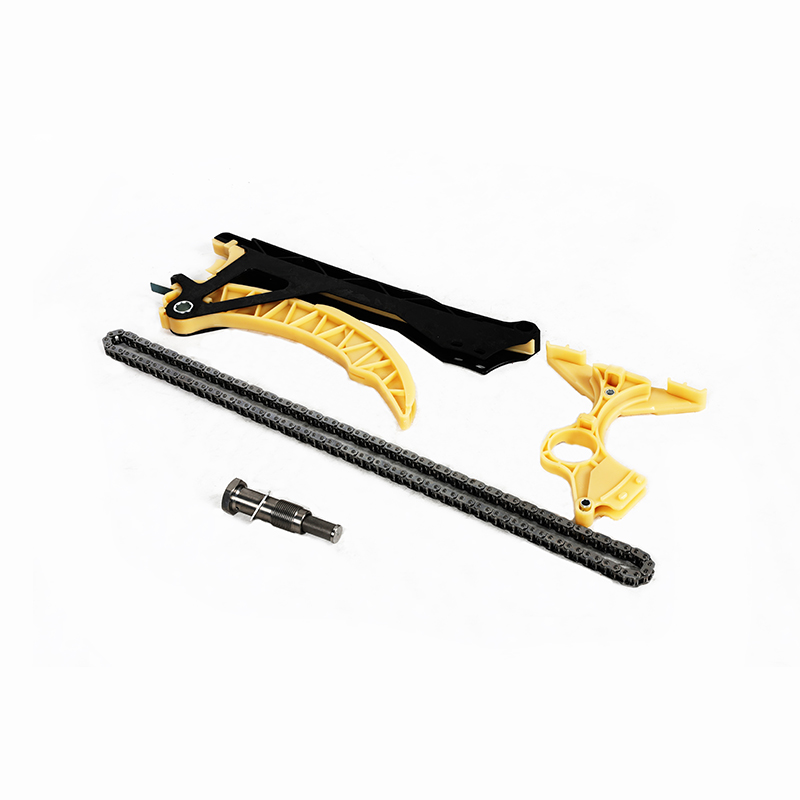
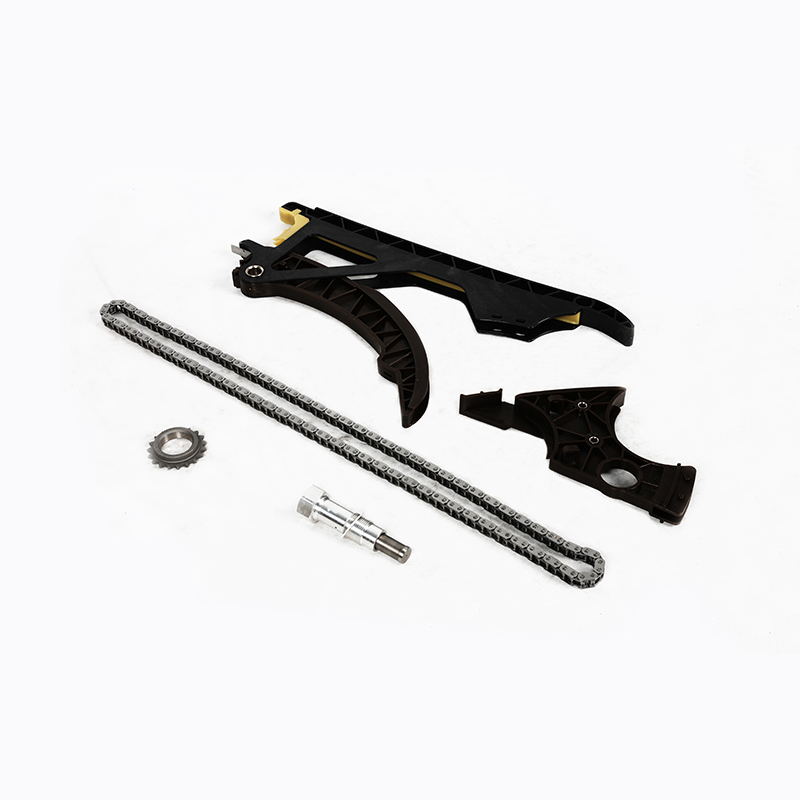
| Initial Part Cost | Low ($100 - $300) | Moderate ($400 - $850) |
| Labor Cost | High ($1,300+) | High (Same as single part) |
| Long-term Reliability | Variable (Risk of mismatch) | Maximum (System synchronization) |
| Warranty Coverage | Limited to part only | Comprehensive system warranty |
| Recommended For | Isolated mechanical damage | High-mileage wear / VVT failure |
Symptoms That Demand an Immediate System Audit
- Rattling on Cold Start: This is a classic sign that the tensioner or camshaft timing sprocket is losing oil pressure or has reached its wear limit.
- Check Engine Light (P0011/P0340): These codes often indicate that the camshaft and crankshaft are no longer perfectly synchronized, a sign of "system-wide" wear.
- Metal Flakes in Oil: If you see "glitter" in your oil filter, the sprocket teeth or chain links are disintegrating. A full system flush and kit replacement are mandatory to save the engine.
Hardcore Technical FAQ
- Does the sprocket material affect the timing chain life?: Absolutely. We use chromium-alloy steel because it provides the hardness required to prevent "tooth cupping," which is the primary cause of chain "stretch" (actually pin wear caused by vibration).
- What are GB/T14212-2003 standards?: These are Chinese national standards for short-pitch precision roller chains and sprockets, ensuring dimensional accuracy and tensile strength for automotive applications.
- Can I reuse my old tensioner with a new sprocket?: It is technically possible but highly discouraged. Tensioners are the most common "silent failure" point in the timing system.
- Is Jingtong's warehouse location significant?: Being near Shanghai and Hangzhou allows us to leverage the world's most efficient logistics network to deliver engine timing system products to global markets with minimal lead times.
- Does a full kit include the water pump?: While not part of the timing chain system itself, many mechanics recommend replacing the water pump if it is driven by the timing system, as the labor is already "paid for" during the tear-down.
Technical References
- GB/T 14212-2003: Short-pitch precision roller chains and sprockets for transmissions.
- JB/T 10348-2002: Technical specifications for automotive engine timing chain systems.
- ISO 606: Short-pitch transmission precision roller and bush chains, attachments and associated chain sprockets.
 View More >>
 View More >>
 View More >>
 View More >>
 View More >>
 View More >>
 View More >>
 View More >>


