

 English
 русский
 عربى
 Español
Article Directory
A purchasing agent once returned a drawing to our factory with a single instruction written in the margin: recheck the sprocket bore. The order was for 500 camshaft sprockets. Tooth count was right, chain pitch was right, and face width was right, but the bore specification had been copied from a different engine family. That one dimension would have turned a clean order into bench rework and, further down the line, a timing failure in service.
So here is the conclusion before the explanation: selecting the right timing sprocket size is never a one-number decision. Tooth count, chain pitch, bore diameter, keyway size and position, face width, and timing-mark orientation must be checked together against the actual chain and shaft before you commit to a bulk order.
What "sprocket size" actually includes
When buyers say "size," most of them mean the number of teeth. It is the most visible figure in a product title and the easiest to confirm. But a timing sprocket is not a blank gear that sits anywhere on a shaft. It is located on a precision-ground journal, driven by a chain with a defined pitch, and clocked to an exact phase angle between the crankshaft and the camshaft. At least six dimensions have to agree with each other.
| Dimension | What it controls | How errors usually appear |
|---|---|---|
| Number of teeth | Cam-to-crank ratio, normally 2:1 on four-stroke engines | Misread part numbers, ordering from a photo |
| Chain pitch | Mesh between chain rollers and tooth spaces | Assuming one pitch class fits all engines |
| Bore diameter | Fit on the cam or crank journal; eccentricity if wrong | Specs copied across engine families |
| Keyway width and position | Angular clocking of the sprocket on the shaft | Drawing errors, worn master samples |
| Face width | Chain lateral position relative to guides and tensioner | Mixing single-row and multi-row drives |
| Timing-mark position | Correct chain installation index at TDC | Re-machined blanks without mark verification |
Every row in that table represents a failure mode we regularly catch during incoming inspection. One-tooth differences are the most common error in the field, but bore and keyway mistakes are the most expensive because they stay invisible until assembly. That is why selection starts with measurement, not with a catalogue photo.
How to verify the dimensions that matter
You do not need a metrology lab to select the right sprocket. You need a chain sample or its specification, the shaft journal, and a set of calipers. Work through the following checks in order, and you will eliminate most fitment failures before ordering.
Match the chain pitch first
Before counting teeth, identify the chain. Timing chains use defined pitch classes: an 8 mm pitch family and a 9.525 mm pitch family cover a large share of passenger-car and light-truck engines. The sprocket tooth space is generated to match that pitch exactly. Lay the chain over the sprocket and check contact over at least half of the arc; the rollers should seat firmly without binding, lifting, or bridging. If they do not, either the sprocket or the chain is from the wrong pitch family.
Confirm the tooth count on both ends
A four-stroke engine needs the crankshaft sprocket to carry half the number of teeth of the camshaft sprocket. A typical arrangement is 20 teeth on the crank and 40 on the camshaft. When replacing one sprocket, lay the new part next to the old one and compare tooth height, profile, and root width directly. A difference of one tooth on a 38-tooth cam sprocket displaces valve timing by roughly 19 degrees of crankshaft rotation — enough to hurt idle quality, reduce power, and in the worst case bring the valves close to piston contact. Count idler sprockets as well; a skipped idler still changes the chain path.
Measure the bore and keyway with the shaft in hand
Measure the nose of the shaft where the sprocket will sit: journal diameter, key width, and key depth. The bore must be a controlled fit with the journal. An oversized bore lets the sprocket run eccentric, and the resulting chain-tension pulsing accelerates guide and tensioner wear. The keyway must reproduce the same width and the same angular position as the original part. Forcing in a slightly undersized keyway bends the key and rotates the timing mark by several degrees. The position of the keyway relative to the timing mark is exactly how the sprocket keeps valve timing correct.
Check face width and timing marks
The face width must suit the chain width class and align with the guide rails and tensioner face. A sprocket that is too narrow pushes the chain sideways; one that is too wide rubs the guide boss or the front cover and generates heat. On variable-valve-timing engines, the phaser hub shares the same keyway orientation, so a misplaced keyway shifts both base timing and the phaser's working range. Confirm that the timing marks are still legible on machined blanks and that the marking position matches the engine family and mounting side.
What happens when the size is wrong
A sprocket that is close but not exact is actually more dangerous than an obvious mismatch, because it fits well enough to be installed. The engine starts, the vehicle leaves the shop, and the problem appears weeks later as chain noise, irregular wear, or a camshaft correlation code. The technical details are covered in our note on keyway, bore accuracy, and backlash, but the practical pattern stays consistent:
- One tooth off on a cam sprocket shifts valve timing by roughly 19 degrees of crankshaft rotation, which causes rough idle, power loss, and diagnostic trouble codes for cam/crank correlation.
- An oversized bore creates eccentric rotation, so the chain is alternately slack and tight; the tensioner compensates until the adjacent guide shows localized wear.
- A mispositioned keyway fixes a permanent phase error that no tensioner, guide, or ECU adaptation can correct.
- An undersized face width makes the chain side plates rub the guide rail, producing metal debris and overheating in the guide contact area.
None of these failures protects the rest of the timing drive, which is why matched components matter. If you want to walk through the same checks in a single-drive setting, our crankshaft timing sprocket guide is a useful companion to this article.
How to source the right sprocket with confidence
Once the dimensions are confirmed, sourcing becomes a question of traceability and process control. Three habits separate reliable sprocket orders from repeated returns.
Order by engine code and reference number
On a production line, sprockets are indexed by engine family and original part number. When you order with an engine code or an OE reference, the manufacturer can match the catalogue entry and then verify the six dimensions listed above before confirmation. If you source for several makes, start from the timing sprocket range organized by vehicle brand, then confirm bore and keyway data on the specific product page rather than relying on a generic stock number.
 Wholesale Timing Sprocket Manufacturers, OEM Factory - Huzhou Jingtong Auto PartHuzhou Jingtong Auto Parts Manufacturing Co., Ltd is China car engine Timing Sprocket manufacturers and OEM car engine Timing Sprocket fa...View Product →
Decide between universal and engine-specific sprockets
Rebuilders and wholesalers serving mixed fleets often keep universal timing sprockets in stock for the most common pitch, tooth-count, bore, and keyway combinations. Universal parts cover frequent replacements without tying inventory to a single vehicle model. Engine-specific sprockets remain the better choice when the original application is known and order volume justifies a dedicated item. In either case, a trial fit over the shaft and a visual check of the timing marks provide the same final confirmation.
Custom Universal timing sprocket Suppliers, OEM Company - Huzhou Jingtong Auto PAs China car engine Universal timing sprocket suppliers and OEM car engine Universal timing sprocket company, Huzhou Jingtong Auto Parts ...View Product →
Use built-to-print supply and production standards
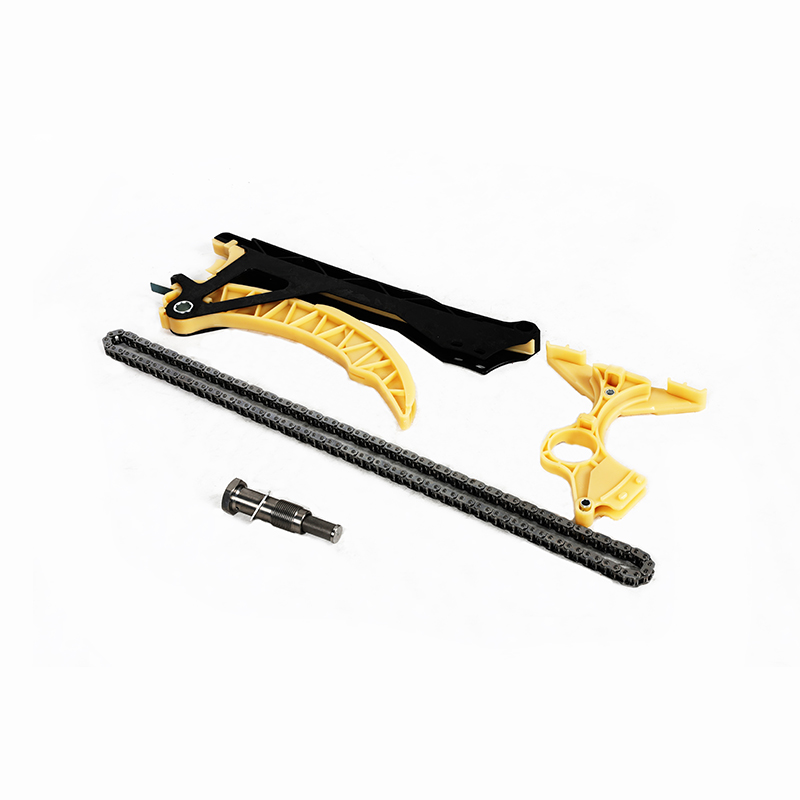
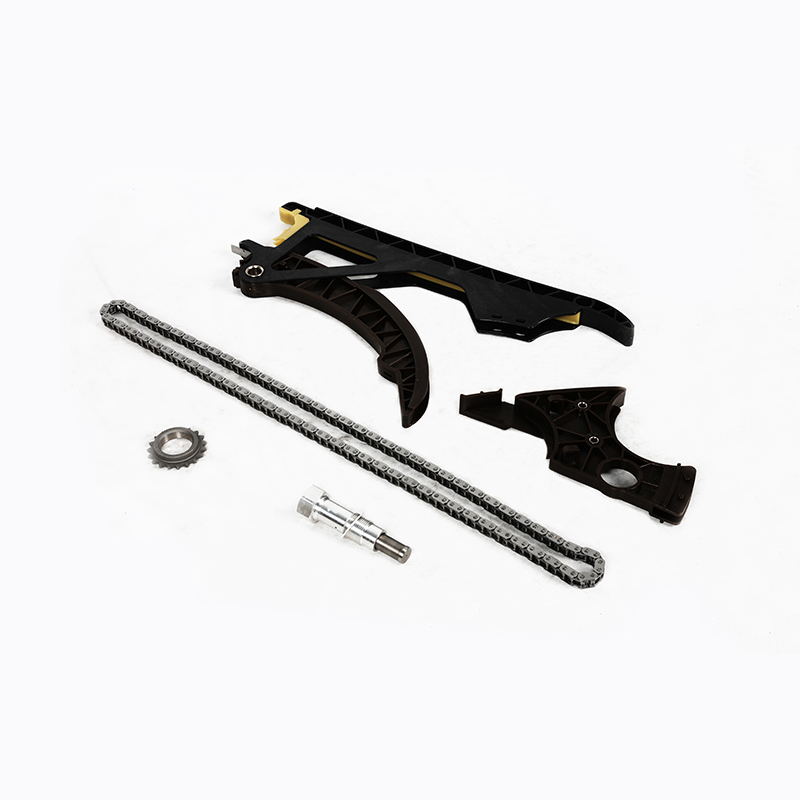
For volume buyers who work from drawings or samples, built-to-print production removes the remaining risk of catalogue mismatch. Having the chain, sprockets, guides, and tensioners machined together under one roof keeps the entire drive consistent. At our plants, sprockets are produced from alloy steel with a controlled carbon and chromium content and heat-treated for surface hardness, in line with the GB/T 14212 and JB/T 10348 standards we certify against. Because sprocket wear is rarely isolated, many buyers treat this as the first step of a complete drive replacement and order complete timing chain kits with matched components rather than sourcing the sprocket alone. Sourcing the whole set from a timing system component manufacturer simplifies the decision and keeps one quality standard across every part of the drive.
Wholesale Car Engine Timing Chain Kit Manufacturers, FactoryHuzhou Jingtong Auto Parts Manufacturing Co., Ltd is China car engine timing chain kit manufacturers and OEM car engine timing chain kit ...View Product →A practical sizing checklist before you order
Run through these six checks on every sprocket order, whether you are buying one piece or one thousand.
- Record the engine code and the original sprocket reference before searching.
- Identify the chain pitch and verify the tooth profile on the new sprocket.
- Confirm tooth count on the crankshaft sprocket, camshaft sprocket, and any idlers.
- Measure the shaft journal and key; compare bore, keyway width, and keyway position.
- Check face width against chain width and against the alignment of guides and tensioner.
- Confirm the timing-mark position and its orientation for the engine's mounting side.
The right timing sprocket size is a set of confirmed dimensions, not a number guessed from a photograph. Measure the shaft, count the chain, compare the tooth profile, and order from a source that can answer for the keyway position and the timing marks with equal confidence. That is the difference between a sprocket that fits the box and a sprocket that fits the engine.
 View More >>
 View More >>
 View More >>
 View More >>
 View More >>
 View More >>
 View More >>
 View More >>


