

 English
 русский
 عربى
 Español
Article Directory
- 1 What a Timing Sprocket Must Do and Why Precision Controls Engine Risk
- 2 The Timing Sprocket Manufacturing Process Step by Step
- 3 Heat Treatment: Where Sprocket Durability Is Decided
- 4 Critical Tolerances: Bore, Keyway, and Timing Geometry
- 5 Machined Steel versus Powder Metallurgy Sprockets
- 6 What Buyers Should Verify in a Sprocket Manufacturing Partner
- 7 Timing Sprocket Manufacturing FAQ
A timing sprocket that is off-center by just 25 micrometres does not look damaged, yet it can shift camshaft timing enough to create rough idle, higher fuel consumption, and premature chain wear. That is why the timing sprocket manufacturing process is treated as a dimensional-control discipline rather than a simple cutting job.
What a Timing Sprocket Must Do and Why Precision Controls Engine Risk
A timing sprocket transmits rotation from the crankshaft to the camshaft through the timing chain, so every dimensional error in the sprocket becomes a valve timing error that the engine cannot self-correct.
A timing sprocket is a toothed wheel mounted on the crankshaft or camshaft that meshes with the timing chain. Its tooth profile, bore, and keyway define the angular relationship between crankshaft and camshaft and hold it for the full service life of the engine.
The consequences of a poorly made sprocket are measurable. A loose keyway fit allows the sprocket to rotate slightly on the shaft, advancing or retarding valve events. Tooth profile errors force the chain to ride unevenly, concentrating load on single rollers and accelerating chain elongation. In interference engines, this drift ends in piston-to-valve contact and cylinder-head damage.
Design choices such as tooth count, root radius, and flank profile decide how much of that risk can be removed during production; the relationship between geometry and engine behavior is examined in detail in our earlier comparison of timing sprocket design factors. The same process discipline runs across the production program, whether a part is an OE-style wheel such as Toyota timing sprockets or a generic replacement item.
 Custom Toyota timing sprocket Suppliers, OEM Company - Huzhou Jingtong Auto PartAs China car engine Toyota timing sprocket suppliers and OEM car engine Toyota timing sprocket company, Huzhou Jingtong Auto Parts Manufa...View Product →
The Timing Sprocket Manufacturing Process Step by Step
The process runs through five controlled stages, starting with material selection and blank preparation, then tooth cutting, carburizing heat treatment, finish machining, and dimensional inspection; each stage has a measurable effect on service life.
Material selection and blank preparation
Sprockets for chain-driven engines are normally cut or forged from case-hardening alloy steel, with high carbon and chromium content to support a wear-resistant surface over a tough core. The blank is oversized to leave machining allowance for the tooth and bore work.
Tooth cutting and profile generation
Using hobbing or shaping, the blank receives the tooth profile that will later engage the chain rollers. Tooth pitch accuracy at this point is held to a few hundredths of a millimetre, and cutter wear is monitored because flank geometry directly controls how the chain seats.
Carburizing heat treatment
The sprocket is carburized, quenched, and tempered to create a hardened case. Controlled furnace atmosphere and temperature curves keep distortion predictable, so the next stage can remove runout without grinding through the hardened layer.
Finish machining and keyway broaching
The bore is ground to its final fit, the keyway is broached to width, and both faces are finished to control runout. The sequence matters: bore first, then keyway, so the keyway position is referenced to the true center of rotation.
Dimensional inspection and certification
Final inspection covers tooth profile, pitch, bore tolerance, keyway position, hardness, and surface quality. Coordinate measuring machines and profile projectors document that the part matches the drawing before marking, coating, and packing.
| Process stage | Primary operations | Output that decides quality |
| Blank preparation | Sawing, forging, soft turning | Clean steel structure, controlled machining allowance |
| Tooth cutting | Hobbing, shaping | Tooth pitch and flank profile accuracy |
| Heat treatment | Carburizing, quenching, tempering | Case depth, surface hardness, core toughness |
| Finish machining | Bore grinding, keyway broaching, face grinding | Bore fit, keyway position, runout control |
| Final inspection | CMM verification, hardness tests, magnetic particle inspection | Verified dimensional conformity and case hardness |
Heat Treatment: Where Sprocket Durability Is Decided
Carburizing determines whether a sprocket lasts the full service life of the chain or wears into a hook within tens of thousands of kilometres.
Huzhou Nanxun Jingtong Auto Parts Manufacturing Co., Ltd. documents production to the GB/T14212-2003 chain dimension standard and the JB/T10348-200 timing system standard, using high-carbon chromium-alloyed steel as the base material. Buyers should ask any supplier for the same evidence: case depth records, hardness test results, and heat treatment cycle parameters.
For a supplier-level view of what original-equipment buyers expect, our guide to timing sprocket OEM standards and heat treatment requirements lists the documents and test values that should accompany a production batch.
Heat treatment also moves steel. A good manufacturer controls furnace load and quenching method so finish grinding removes only 0.05-0.10 mm per face, enough to clean the surface without removing the preserved case.
Critical Tolerances: Bore, Keyway, and Timing Geometry
The bore fit, keyway position, and tooth geometry control where the sprocket sits relative to the crankshaft or camshaft, and these three dimensions separate reliable timing from gradual drift.
When a sprocket fails mechanical inspection, it fails on these dimensions; the same failure logic appears across engine families, as shown in our breakdown of keyway, bore accuracy and backlash.
| Dimension | Typical production limit | Reason it matters |
| Bore diameter relative to shaft | H7 fit | Prevents ovality and local stress at the hub |
| Keyway width | H9 against shaft key | Locks rotation without angular play |
| Tooth-to-tooth pitch error | 0.015 mm maximum | Distributes load evenly over the chain rollers |
| Face runout | 0.040 mm maximum | Keeps the chain line straight and reduces whip |
| Keyway angular position | 0.050 mm at pitch radius | Holds valve timing inside the OE tolerance window |
Machined Steel versus Powder Metallurgy Sprockets
Machined, case-hardened steel is the mainstream choice for original-equipment timing systems, while powder metallurgy is used where cost pressure is high and the load cycle is moderate.
Machined and case-hardened steel
- Full-density material with predictable response to carburizing
- Hard case with a tough core for shock and fatigue loads
- Higher per-part cost justified in chain-driven engine service
- Preferred for turbocharged and interference engines
Powder metallurgy
- Near-net shape with reduced cutting waste
- Lower unit cost at high production volumes
- Porosity can concentrate stress at the keyway edge
- Sinter-hardening must be tightly controlled to match hardness
When an aftermarket program needs one sprocket that covers multiple engine generations without a specific OE reference, universal timing sprockets offer a practical way to keep inventory broad without committing to every factory variant.
Custom Universal timing sprocket Suppliers, OEM Company - Huzhou Jingtong Auto PAs China car engine Universal timing sprocket suppliers and OEM car engine Universal timing sprocket company, Huzhou Jingtong Auto Parts ...View Product →What Buyers Should Verify in a Sprocket Manufacturing Partner
Buyers should verify four things before approving a sprocket source: material traceability, heat treatment capability, inspection equipment, and whether the company actually machines the parts in its own plant.
For a buyer planning a timing component program, the starting point is the complete timing sprocket range, which follows the same material and heat treatment logic described above. The company also develops parts from customer drawings or samples, with dedicated brand lines that mirror original geometry for replacement programs.
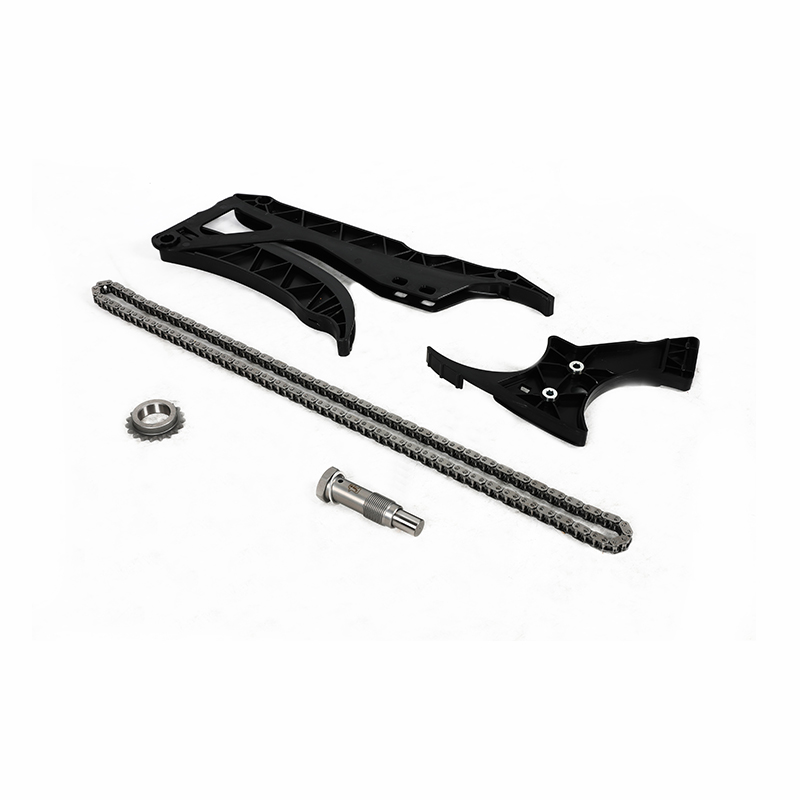
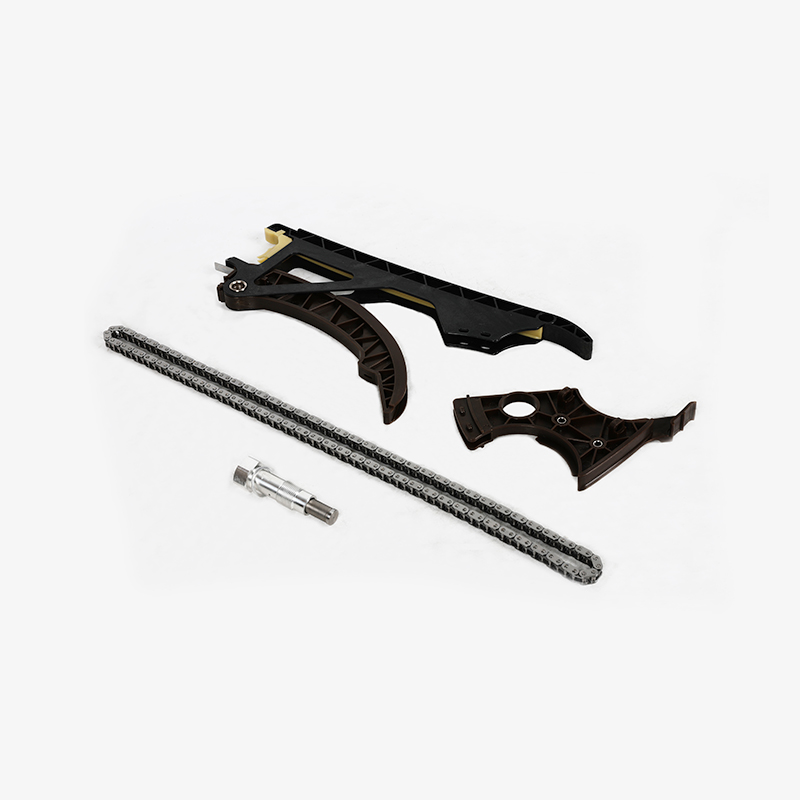
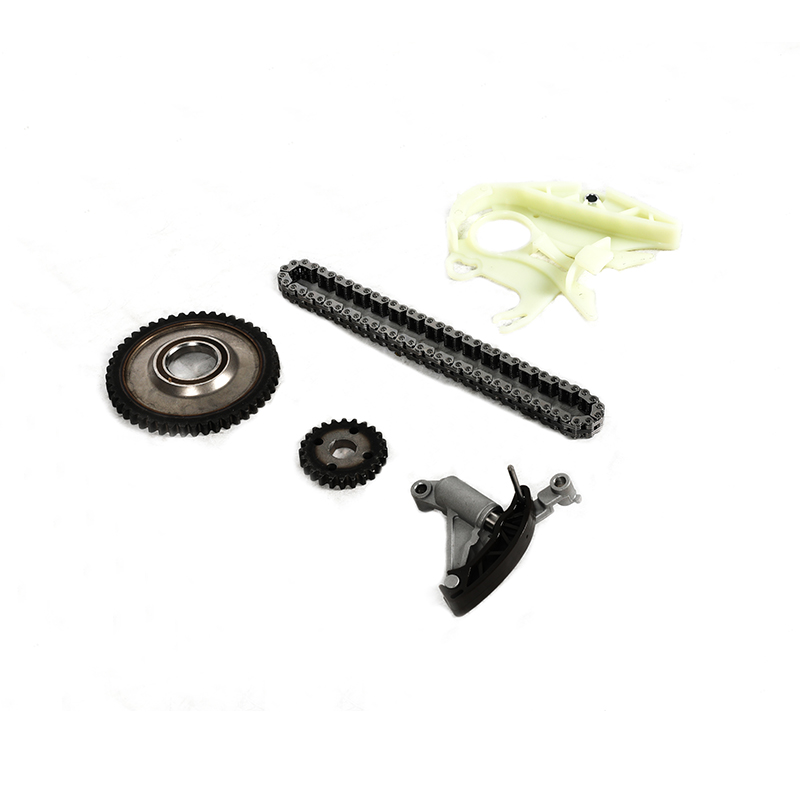
Wholesale Timing Sprocket Manufacturers, OEM Factory - Huzhou Jingtong Auto PartHuzhou Jingtong Auto Parts Manufacturing Co., Ltd is China car engine Timing Sprocket manufacturers and OEM car engine Timing Sprocket fa...View Product →
The location supports logistics: Tongxiang sits near the Shanghai-Hangzhou transport corridor, which shortens consolidation time for sea-freight exports.
Timing Sprocket Manufacturing FAQ
What is the most common manufacturing route for timing sprockets?
The dominant route starts with case-hardening alloy steel, cuts the teeth by hobbing or shaping, carburizes and tempers the part, then grinds the bore and faces to final tolerance. This combination produces the wear resistance, core toughness, and dimensional accuracy that chain timing systems require.
Which steel grade is normally used for timing sprockets?
Most passenger-car sprockets come from low-carbon alloy steels in the chromium-manganese family, such as 20CrMnTi or 20CrMo, with high carbon and chromium proportions. These grades respond well to carburizing and create a hard case over a ductile core.
How can a buyer verify sprocket quality without laboratory equipment?
Assemble the sprocket on a known shaft and check the keyway fit; the part should slide on without measurable play. Compare tooth faces between parts for uniform machining appearance, and request the heat treatment report. A supplier that controls the process will provide it.
What causes premature timing sprocket failure?
Insufficient case depth or soft material is the main cause. The loaded tooth flank wears into a hook profile, chain tension rises, and the chain begins to stretch or skip. A hard surface over a tough core prevents this; no coating or plating can replace a missing heat treatment step.
 View More >>
 View More >>
 View More >>
 View More >>
 View More >>
 View More >>
 View More >>
 View More >>


