

 English
 русский
 عربى
 Español
Article Directory
A front-engine rattle is a common complaint. When the owner says the timing pulley must be worn, the technician often finds a timing chain behind the cover. That mix-up is worth clearing up before any parts are ordered. A timing sprocket is not a timing pulley, and they cannot be substituted for each other. In short: a timing sprocket is a toothed metal wheel that meshes with a timing chain, while a timing pulley is a wheel that drives or guides a toothed timing belt. Their tooth shapes, materials, and failure modes are all different. Fitting the wrong one can cause chain slippage, belt misalignment, engine noise, and serious valve damage.
What Is a Timing Sprocket?
A timing sprocket is mounted on the crankshaft or camshaft and transmits rotation through a timing chain. Its teeth are designed to fit the gaps between chain links, so the crankshaft and camshaft stay synchronised. When the chain moves, the sprocket teeth push the link plates in a positive, slip-free engagement.
Most production timing sprockets are made from sintered metal or alloy steel. Sintered parts offer good wear resistance at a reasonable cost, while alloy steel sprockets are usually chosen for higher load or racing applications. Sprocket teeth are harder than pulley surfaces because chain links are steel and create concentrated contact stress. A key detail is the tooth profile: sprockets must match the chain pitch and width. The bore, keyway, and flange dimensions also determine whether the part fits a specific engine. Poor machining at the hub or keyway can create a small amount of play, which over time leads to chain rattle and misalignment.
If you are looking for replacements, check the exact engine code and OE number before ordering. A properly designed sprocket holds the chain in a stable plane, allowing the guides and tensioner to do their job. For a broad range of chain-driven engines, you can review timing sprockets that follow OEM-style tooth profiles and bore tolerances.
 Wholesale Timing Sprocket Manufacturers, OEM Factory - Huzhou Jingtong Auto PartHuzhou Jingtong Auto Parts Manufacturing Co., Ltd is China car engine Timing Sprocket manufacturers and OEM car engine Timing Sprocket fa...View Product →
What Is a Timing Pulley?
A timing pulley is part of a belt-driven valve train. It also sits on the crankshaft or camshaft, but it drives a toothed timing belt instead of a chain. The pulley has raised teeth or grooves that match the belt’s internal profile. Because the belt is flexible, the pulley does not need the deep, hardened tooth shape of a sprocket.
Timing pulleys are often made of steel, aluminium, or reinforced plastic depending on the engine design. They can also carry a vibration damper or a sensor ring, especially when fitted to the crankshaft. Their failure pattern is different as well: the belt can glaze, crack, or lose teeth, and the pulley usually wears at the tooth edge or the flange. A worn pulley can cause the belt to track sideways, increasing the risk of contact with the timing cover.
It is easy to look at a camshaft pulley and think it is a sprocket, especially on engines where the toothed belt is hidden. But replacing a pulley with a sprocket would create incompatible tooth engagement, and the belt would not stay on the wheel. Similarly, a chain must never be run on a pulley designed for a belt.
Timing Sprocket vs Timing Pulley: Main Differences
Use the comparison below for a quick check in the workshop or when ordering parts.
| Feature | Timing Sprocket | Timing Pulley |
|---|---|---|
| Driven member | Timing chain | Toothed timing belt |
| Tooth shape | Machined or sintered teeth that mesh with chain link plates | Grooves and teeth that match belt teeth |
| Common materials | Sintered steel, alloy steel, sometimes coated steel | Steel, aluminium, reinforced plastic |
| Typical engine | Chain-driven overhead camshaft | Belt-driven overhead camshaft |
| Wear indicators | Shiny tooth flanks, worn keyway, radial play | Edge wear, damaged flange, belt material stuck in grooves |
| Replacement logic | Often replaced with chain, guide, and tensioner | Often replaced with belt and sometimes a tensioner or water pump |
The distinction is not just terminology. The interface between the wheel and the drive element is different, and the surrounding components are different. For this reason, aftermarket listings separate these parts clearly. If you need a sprocket for a chain-driven engine, universal timing sprockets can simplify stock coverage while still matching standard tooth dimensions.
Custom Universal timing sprocket Suppliers, OEM Company - Huzhou Jingtong Auto PAs China car engine Universal timing sprocket suppliers and OEM car engine Universal timing sprocket company, Huzhou Jingtong Auto Parts ...View Product →Why It Matters in Real Repairs
Using the wrong part is usually discovered only after installation. A sprocket that is close in diameter but wrong in tooth pitch will not seat correctly. The chain will be loose or too tight, and the engine may run with a constant clicking noise. In severe cases, the chain can jump one or more teeth, which changes valve timing and can bend valves in an interference engine.
A similar problem happens when a timing pulley is fitted with a chain. Because the pulley’s tooth profile was designed for a belt, the chain links will ride on the edges of the teeth instead of dropping into the gaps. The chain will vibrate, wear quickly, and eventually fail.
Wear Patterns To Inspect
On chain-driven engines, inspect the sprocket teeth for a hooked or polished appearance. If the chain has been running loose, the wear will concentrate on the driving side of the teeth. Also check the keyway for elongation. A new sprocket with an undamaged keyway is the correct repair. On belt-driven engines, inspect the pulley flanges and groove floor for cracks or raised edges. Worn flanges allow the belt to move off centre, causing edge fraying and noise.
What Else Should Be Replaced at the Same Time?
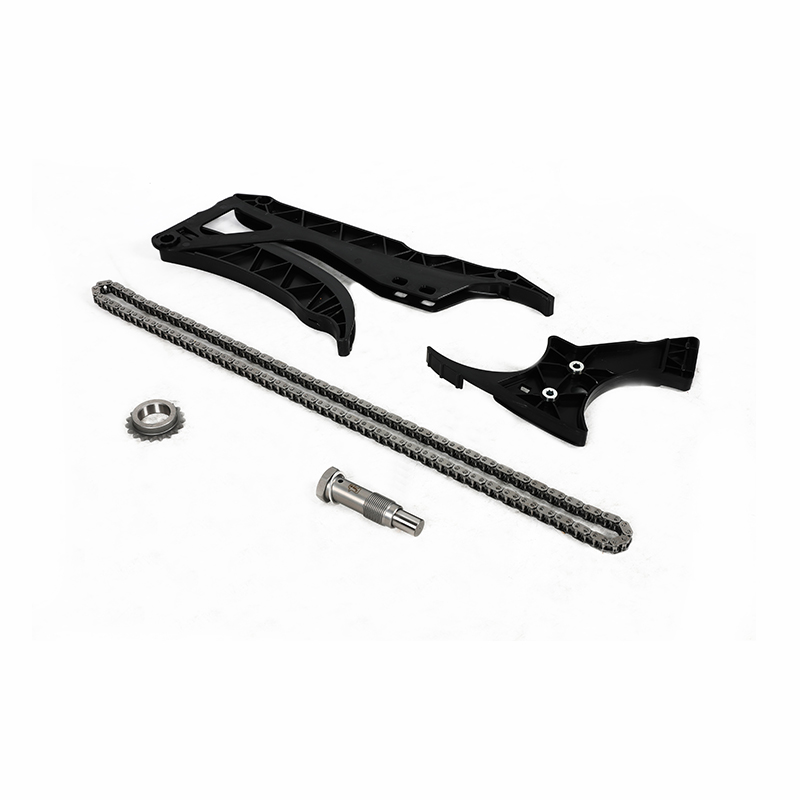
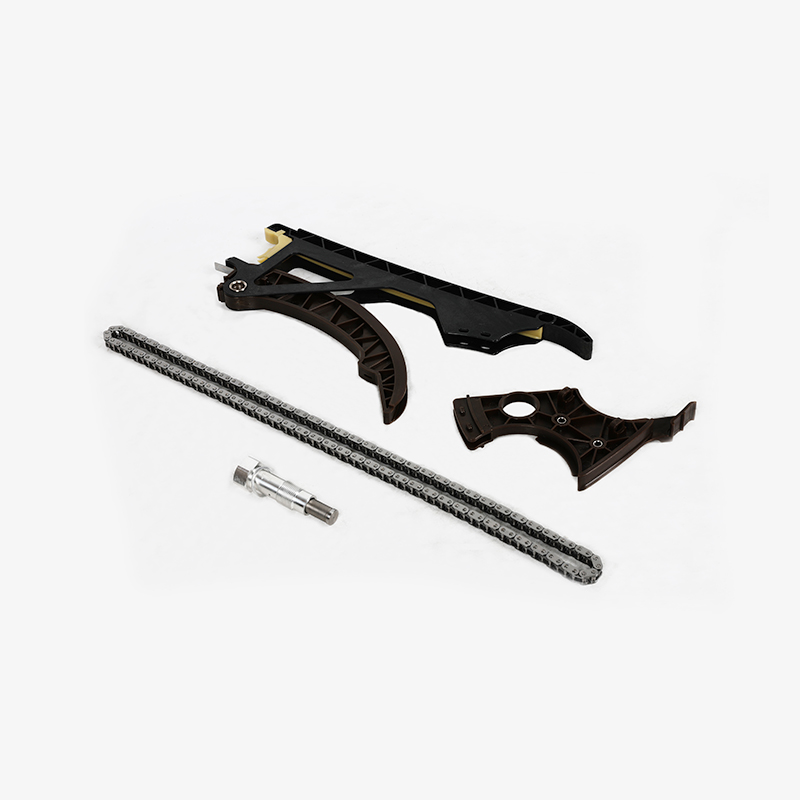
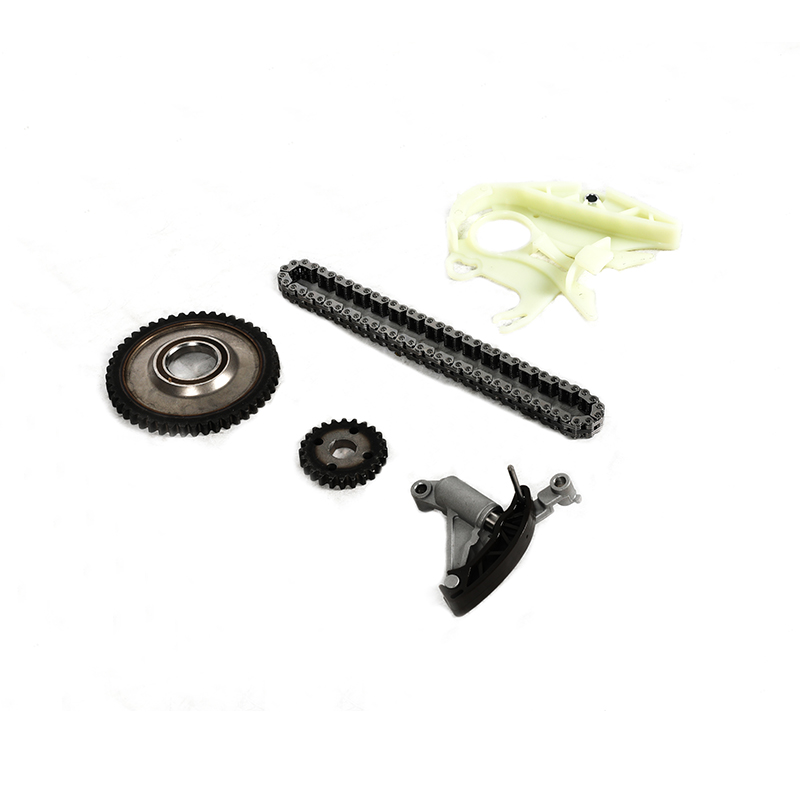
On a chain drive, the sprocket should be replaced together with the chain, guides, and tensioner. Old guides develop grooves that align the chain differently, and a tired tensioner reduces the available slack control. A full set helps prevent a second disassembly a few thousand kilometres later. You can find matching components in a chain-driven engine by looking at the timing chains range and checking the application page for your engine. The same principle applies to timing chain tensioners, which should be selected with the correct stroke and ratcheting specifications.
Before buying, verify the number of teeth, inner bore diameter, keyway width, and whether the sprocket carries a VVT phaser or camshaft position sensor ring. These details are not standard across engines, and a visually similar part can have a different index. A good reference for common problems is this guide to timing sprockets and engine timing faults.
How To Choose Correctly
The safest decision process starts with the engine code, not the vehicle model. Once you know the engine generation, you know whether the valve train uses a chain or a belt. If it uses a chain, buy a sprocket. If it uses a belt, buy a pulley. There is no crossover part that serves both roles reliably.
When you are selecting a sprocket, confirm these points:
- Tooth count and chain pitch must match the original application.
- Bore diameter and keyway width must fit the crankshaft or camshaft nose.
- A camshaft sprocket with a VVT phaser or position sensor ring must match the engine management system.
- The sprocket material and heat treatment should meet or exceed the original specification.
For workshops and distributors, stocking both types is normal, but the catalogues must be kept separate. For chain drives, it is common to order a complete timing chain kit that includes the sprockets, chain, guides, and tensioner. This reduces fitment errors and improves the chance that all wear surfaces age together. For belt drives, the matching set typically includes the belt, pulleys, and optionally a water pump.
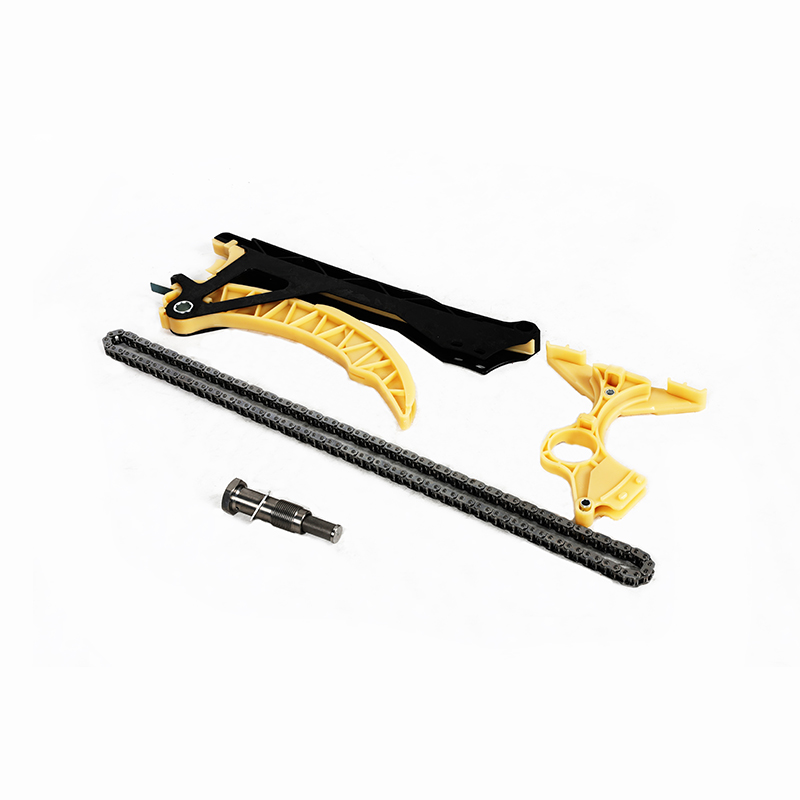
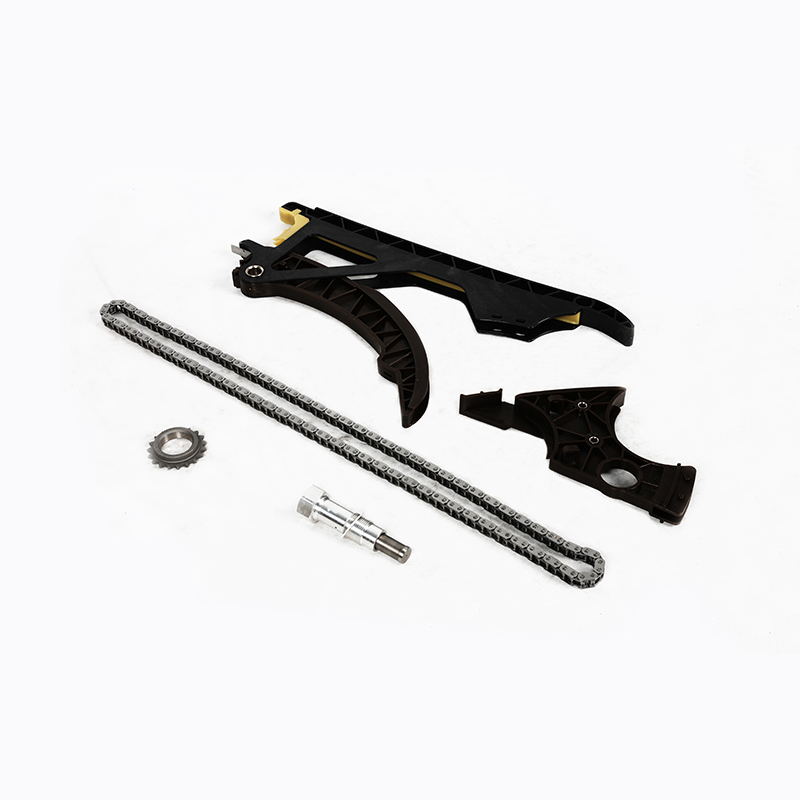
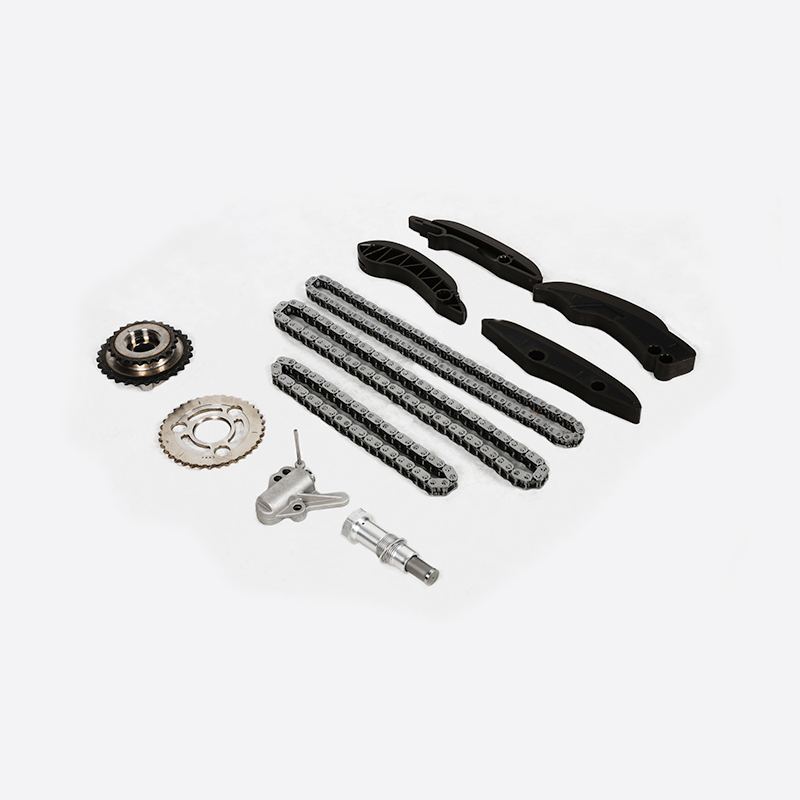
Wholesale Car Engine Timing Chain Kit Manufacturers, FactoryHuzhou Jingtong Auto Parts Manufacturing Co., Ltd is China car engine timing chain kit manufacturers and OEM car engine timing chain kit ...View Product →Final Conclusion
A timing sprocket drives a chain. A timing pulley drives a belt. Their names are sometimes used loosely, but the parts are engineered for different drive systems and cannot be swapped. Check whether the engine is chain-driven or belt-driven before ordering, then confirm tooth count, bore, keyway, and any integrated camshaft timing components. Taking a few extra minutes at the ordering stage prevents a costly repeat repair.
 View More >>
 View More >>
 View More >>
 View More >>
 View More >>
 View More >>
 View More >>
 View More >>


