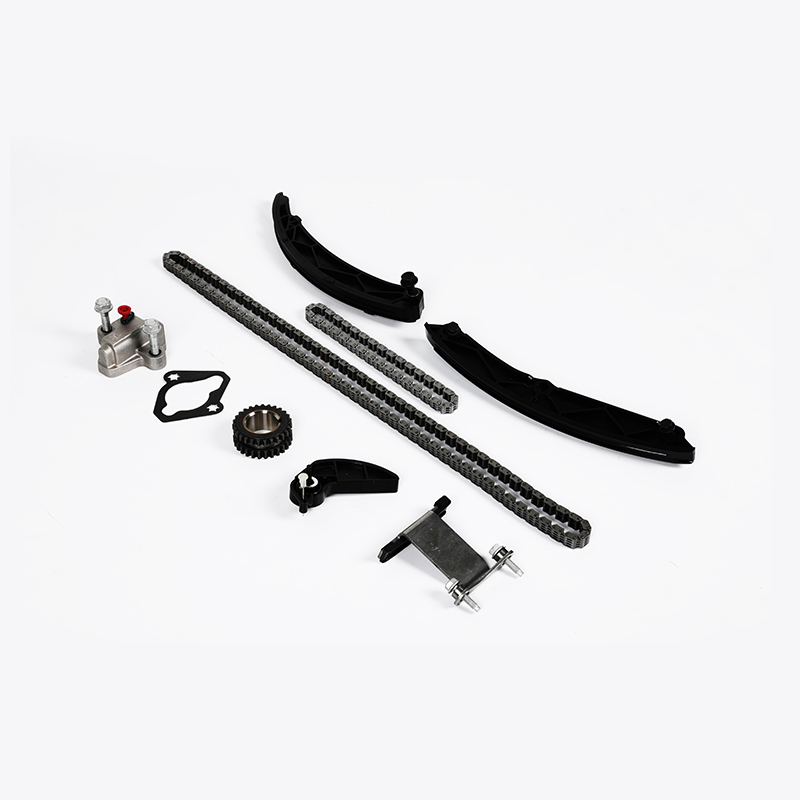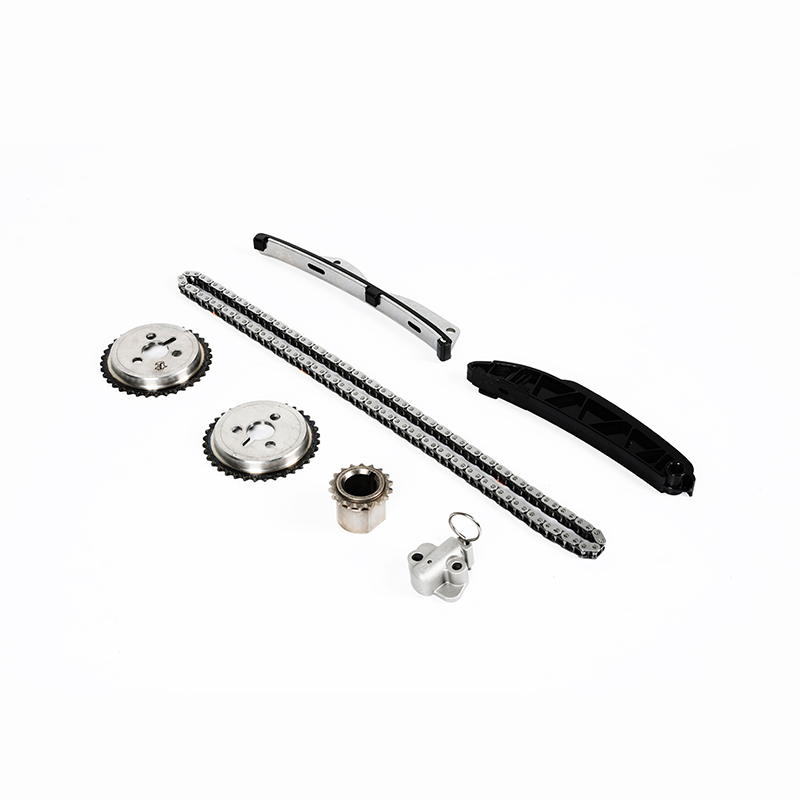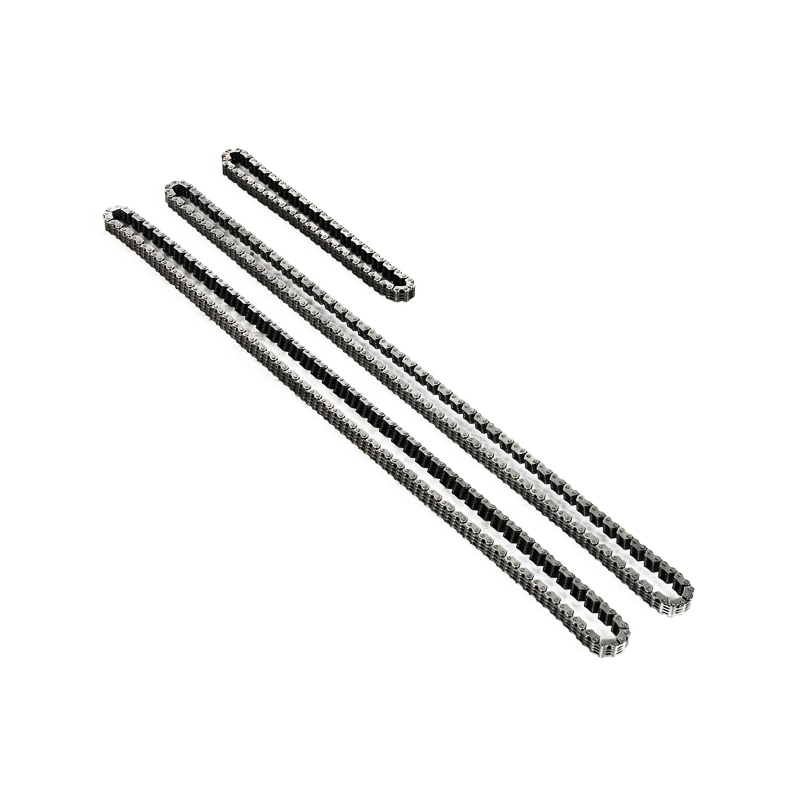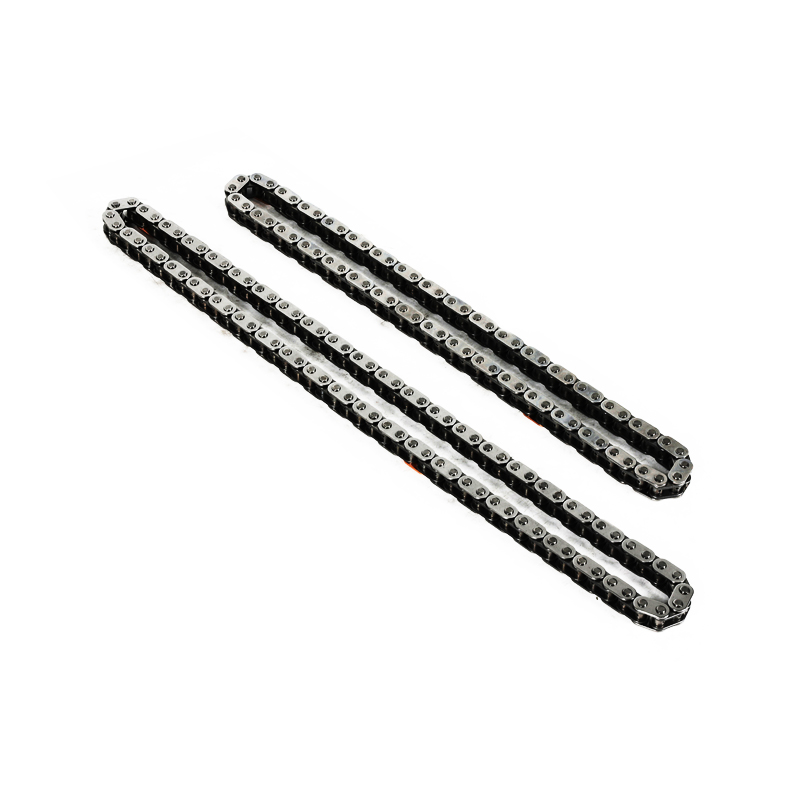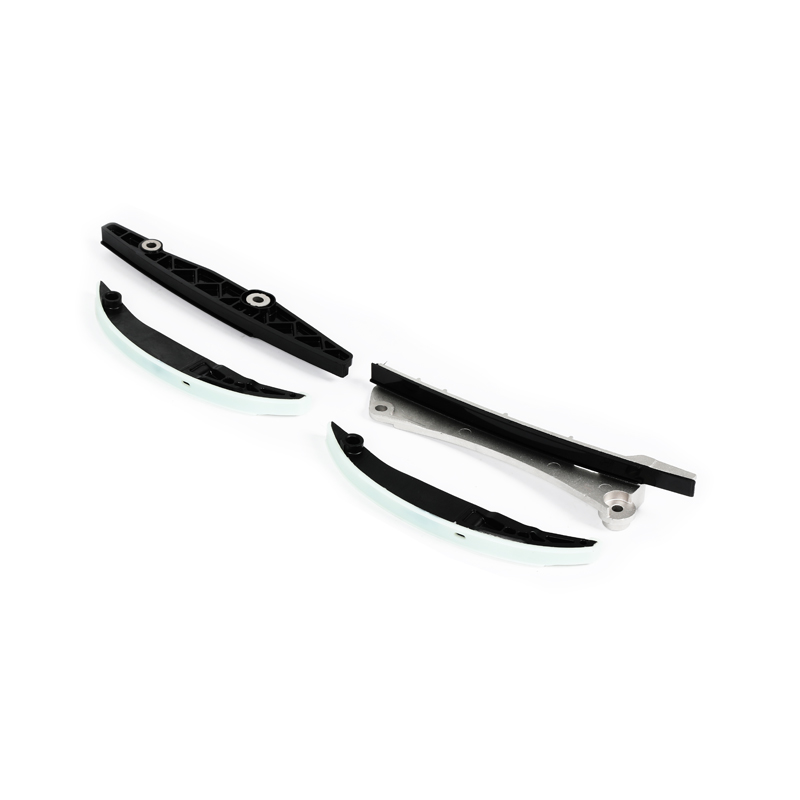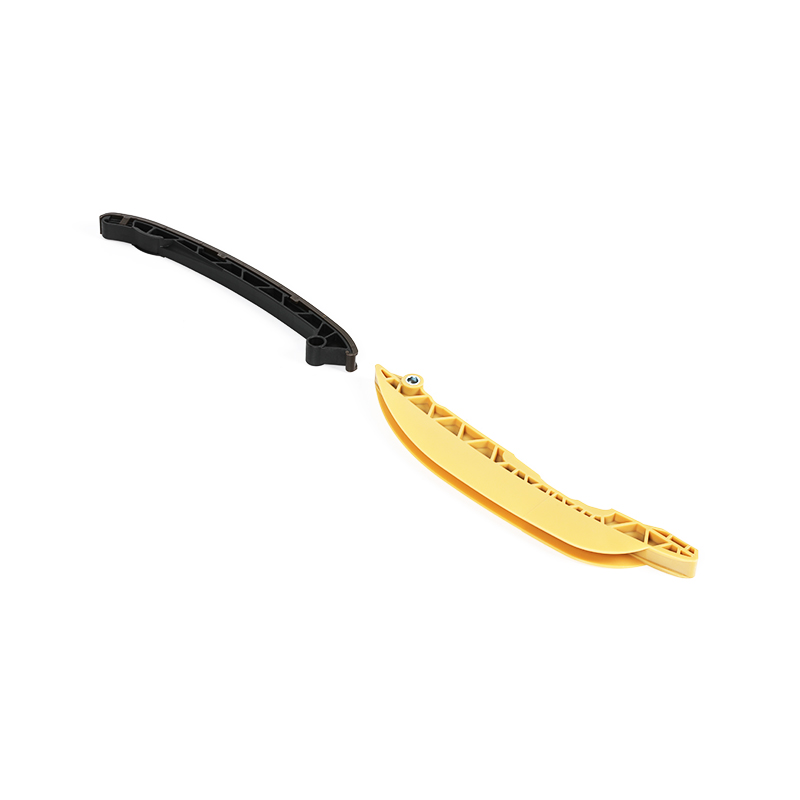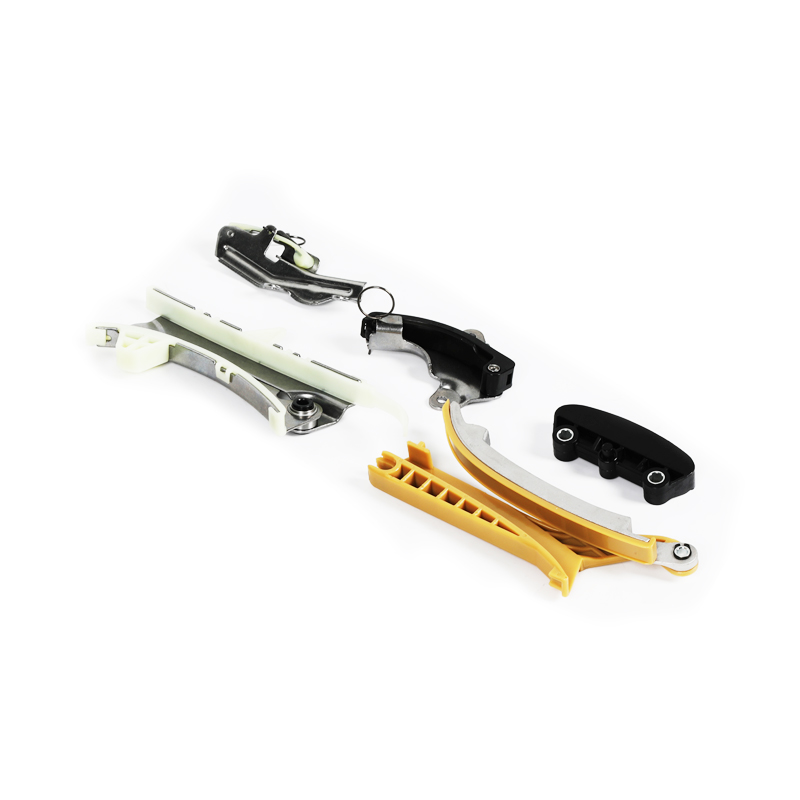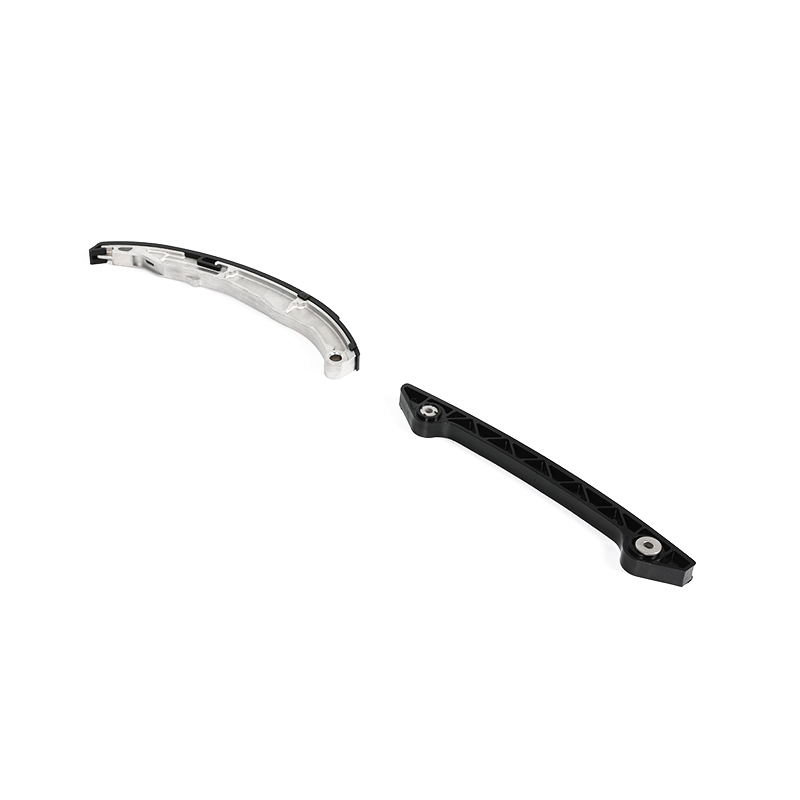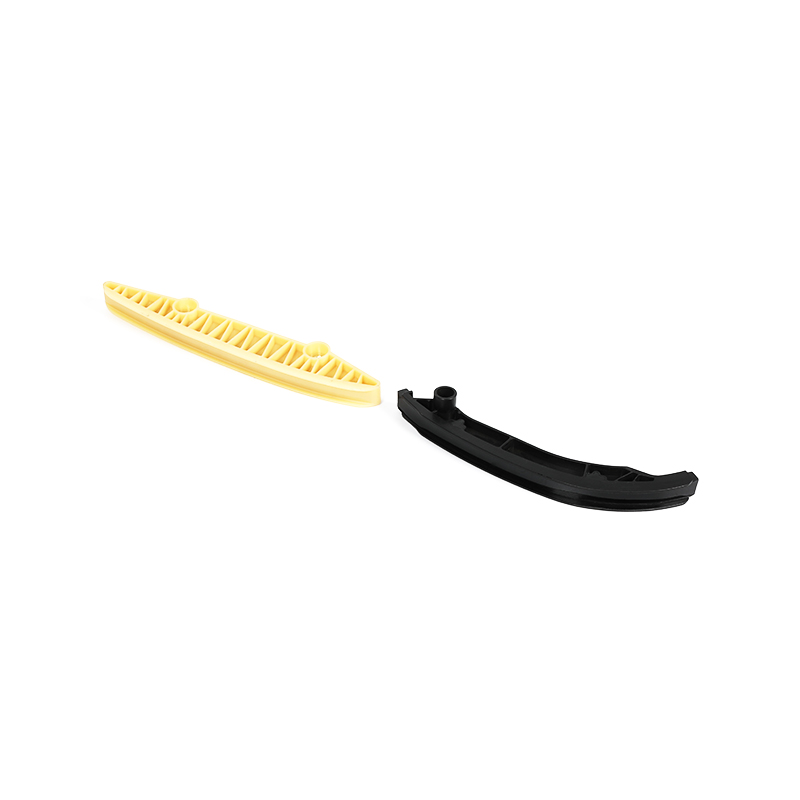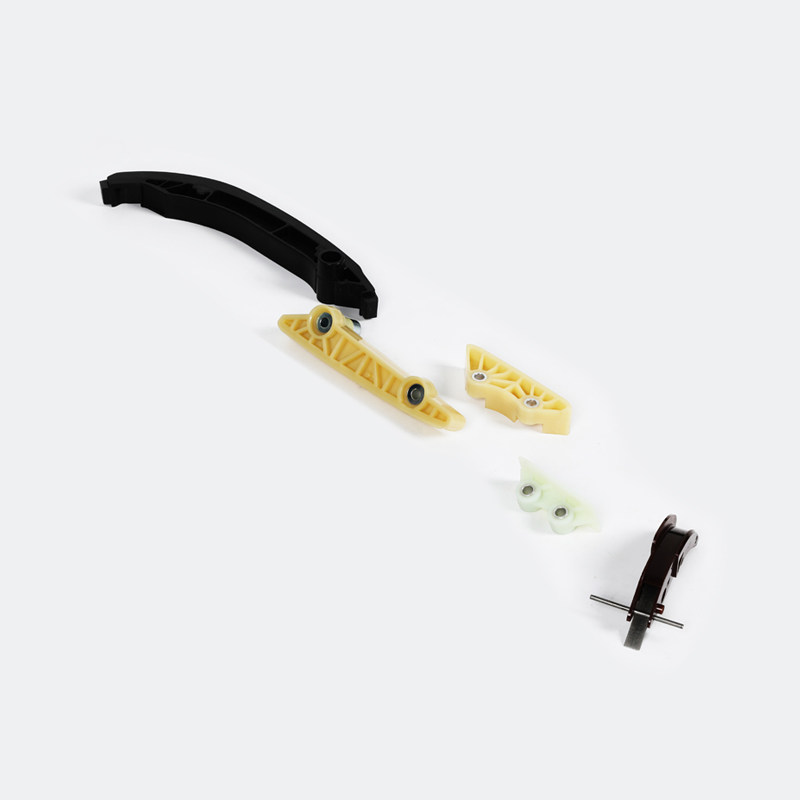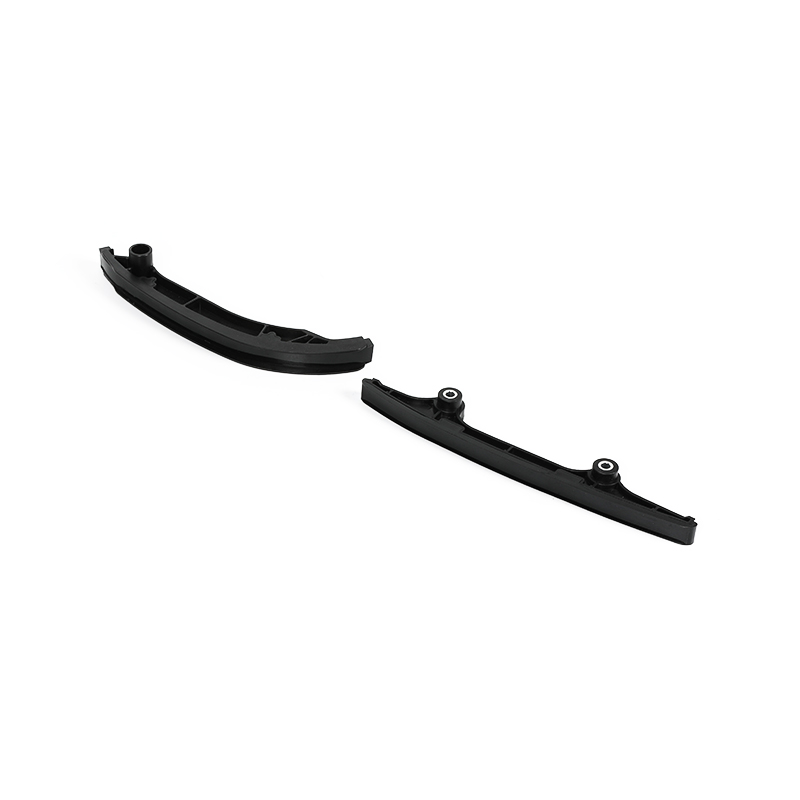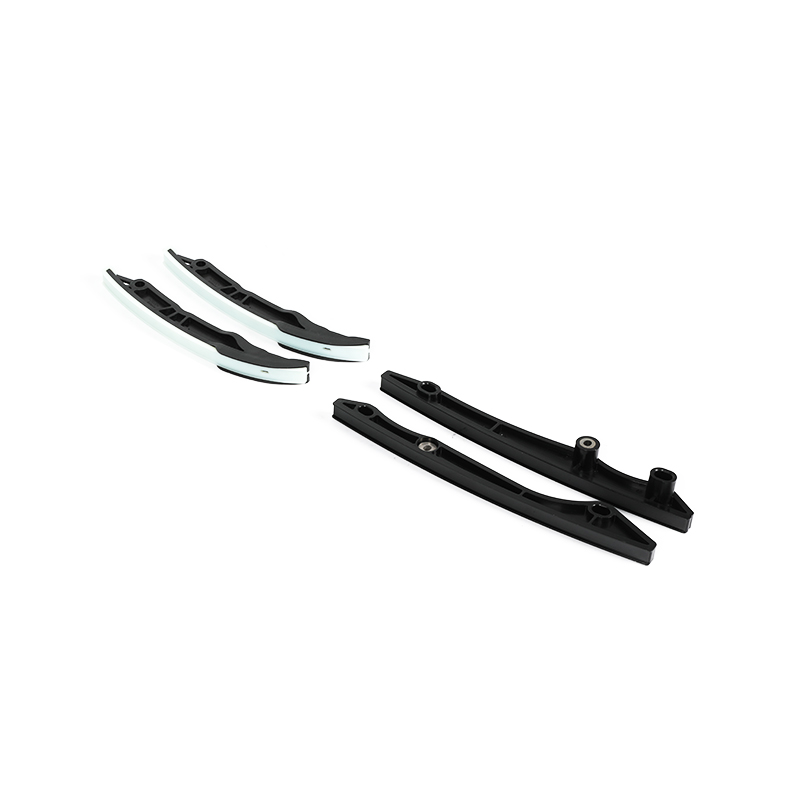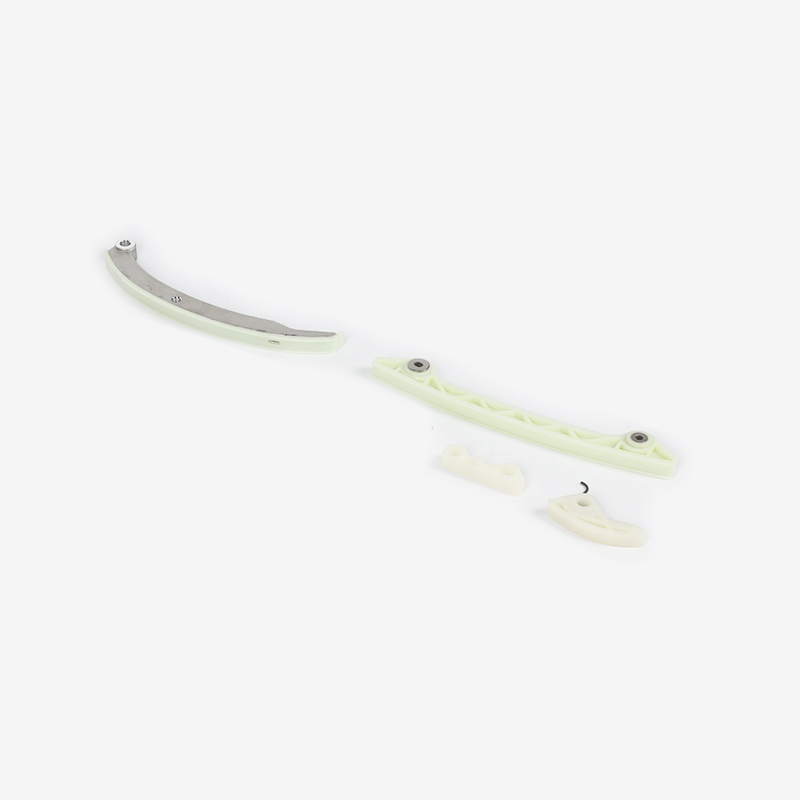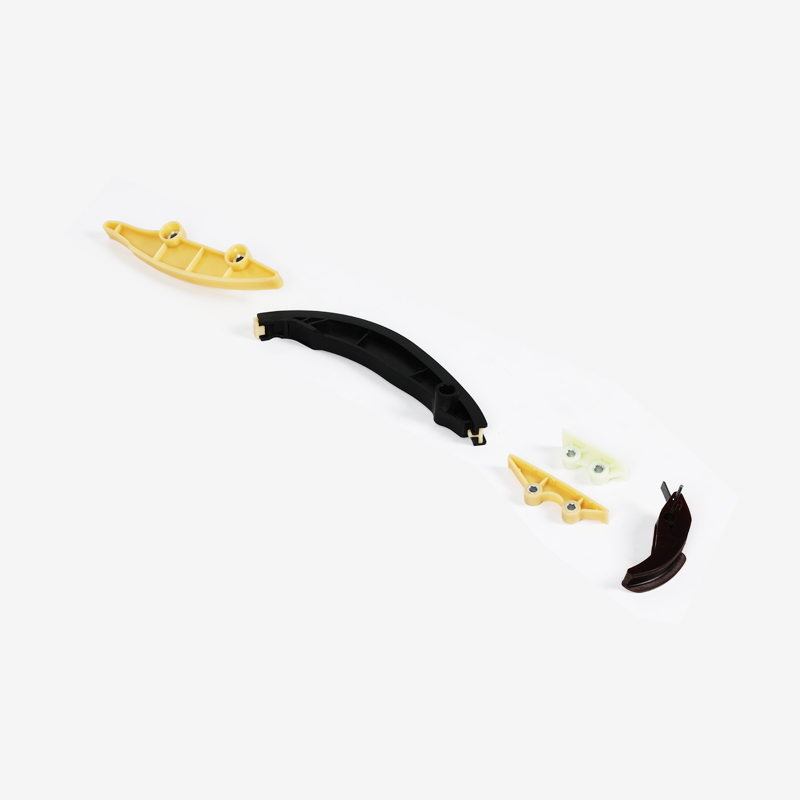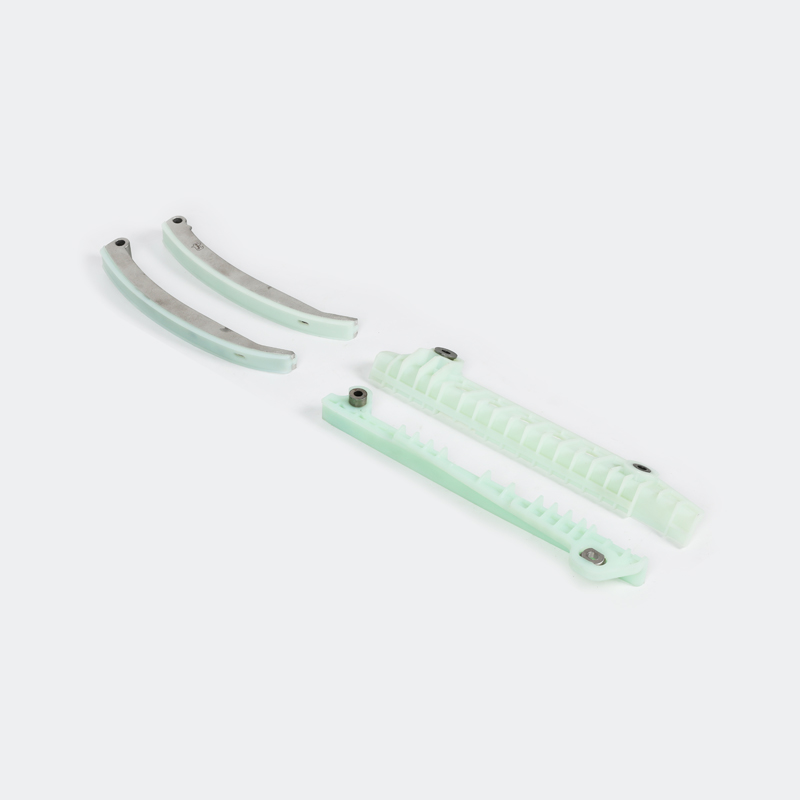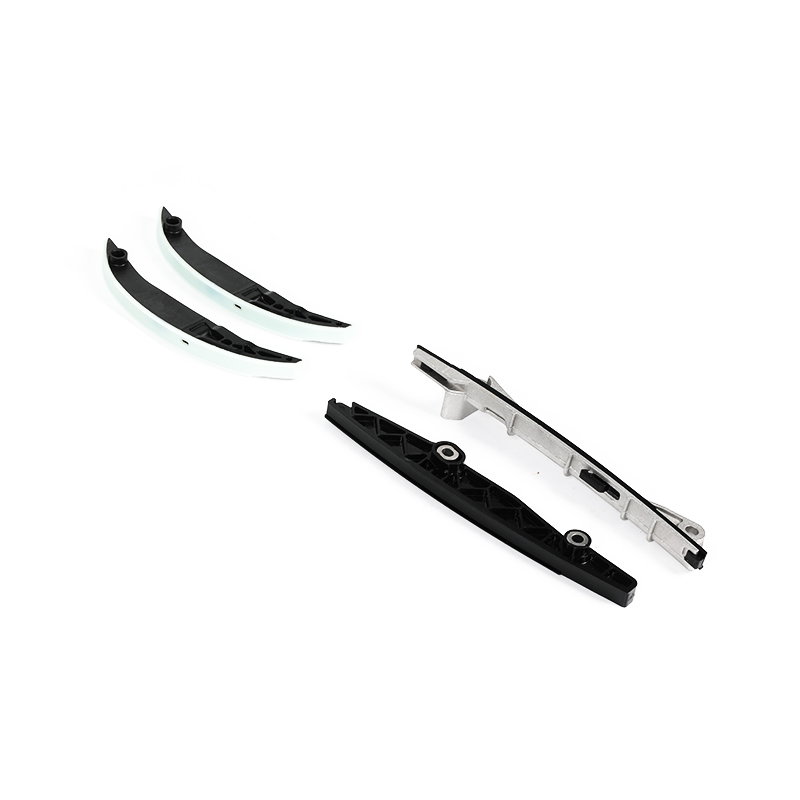
I. The Criticality of the Engine Timing System The engine timing system, comprised of the chain, sprockets, guide rails,...
View More >>The hydraulic **Audi timing chain tensioner** is a sophisticated component that relies entirely on the precise managemen...
View More >>The **Timing chain tensioner Honda** is arguably the most critical component in the engine's valvetrain system, responsi...
View More >>In the highly sensitive environment of a modern automotive engine, the performance and longevity of the timing chain sys...
View More >>Ford has faced recurring timing chain guide wear issues, particularly in engines like the 3.5L EcoBoost and 5.4L Triton, leading to premature failure and costly repairs. To address this, Ford has introduced updated timing chain guide materials in recent models, aiming to improve durability.
Old Material (Nylon/Composite):
Prone to cracking under heat and oil degradation.
Lifespan: ~80,000–100,000 miles in high-stress engines.
New Material (Reinforced Thermoplastic/Oil-Resistant Polymer):
Better heat resistance (withstands up to 300°F+).
Improved oil resistance, reducing swelling and brittleness.
Expected lifespan: ~120,000–150,000 miles (early data suggests ~30% longer durability).
While the new Ford timing chain guide material reduces failure rates, extreme conditions (poor maintenance, low oil pressure) can still cause wear. Models like the Ford F-150 with the 3.5L EcoBoost show fewer complaints post-2020, but long-term data is still emerging.
FAQ
Q: How do I know if my Ford timing chain guide is failing?
A: Listen for rattling at startup, check for oil leaks, or misfires—common Ford timing chain symptoms.
Q: What's the cost to replace a Ford timing chain guide?
A: 800–800–2,500 (varies by model); DIY kits start at ~$300 for Ford 5.4L timing chain replacement.
Q: Does Ford cover timing chain guide failures under warranty?
A: Only if under powertrain warranty (typically 5yrs/60k mi); check for Ford TSBs on extended coverage.