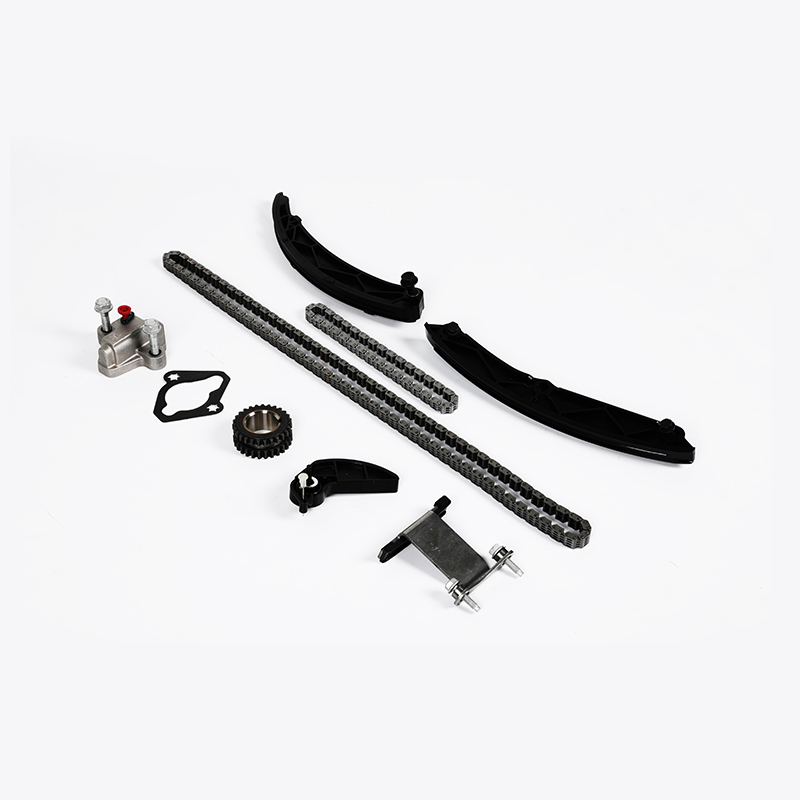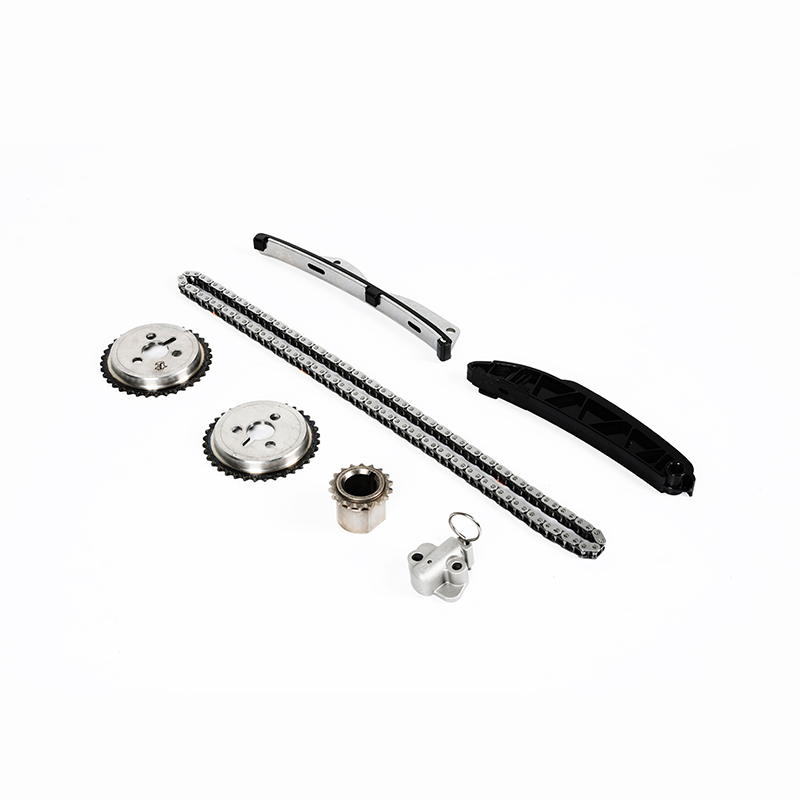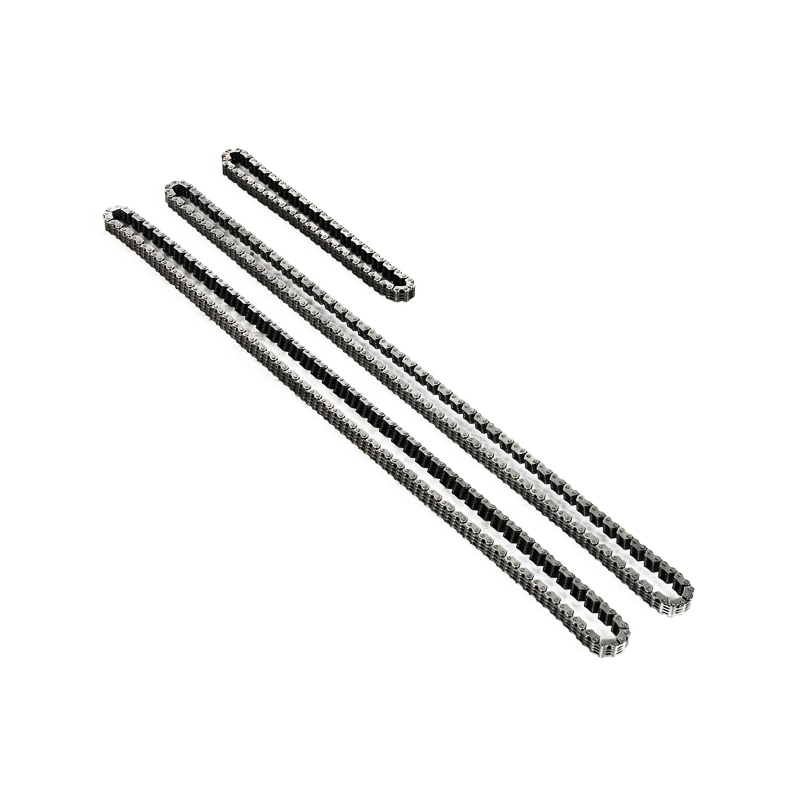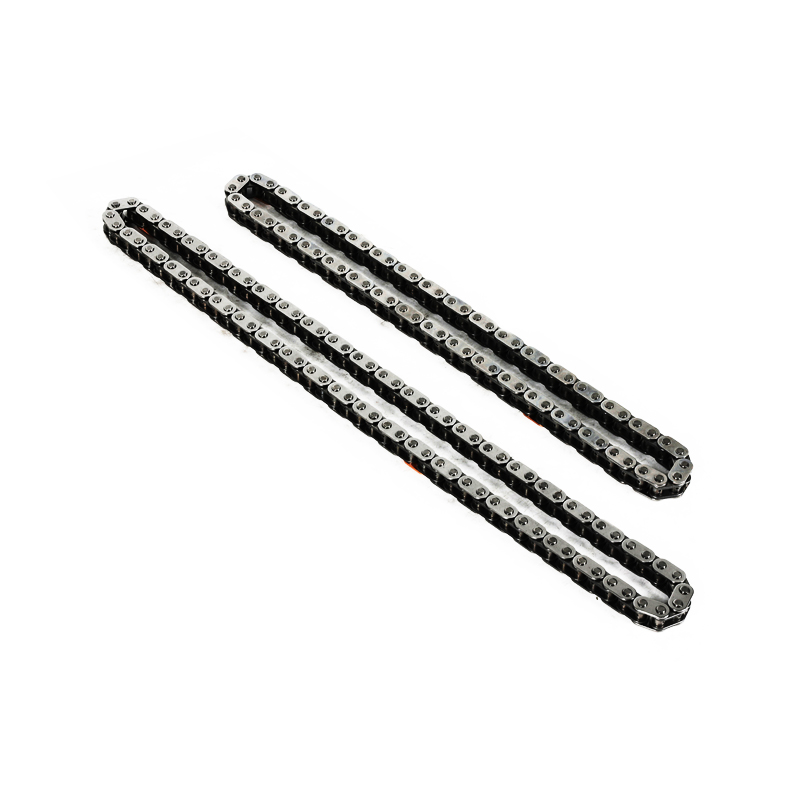
Engineers and fleet managers often face the challenge of "phaser knock" and "timing jump" in high-performance turbocharg...
View More >>In the high-precision world of internal combustion engine (ICE) architecture, the synchronization between the crankshaft...
View More >>The precision of an internal combustion engine depends entirely on the synchronization between the crankshaft and the ca...
View More >>The BMW chain guide plays a critical role in maintaining proper engine timing by ensuring accurate alignment between the...
View More >>As hybrid and electric vehicle (EV) conversions gain popularity, many mechanics and enthusiasts wonder: Do universal timing sprockets still play a role in these modern powertrains? The answer depends on the type of conversion and engine retention.
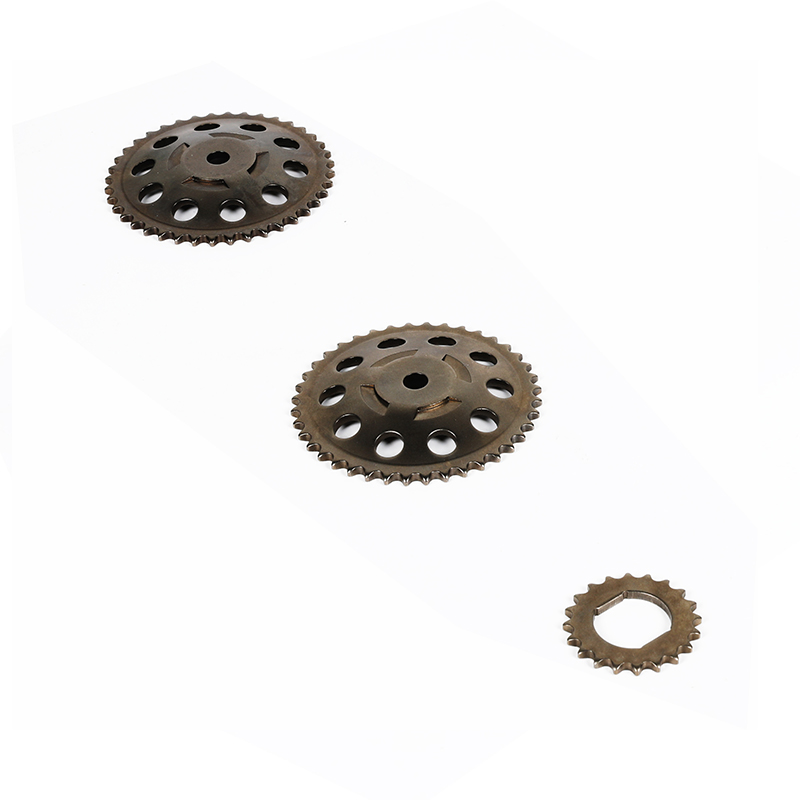
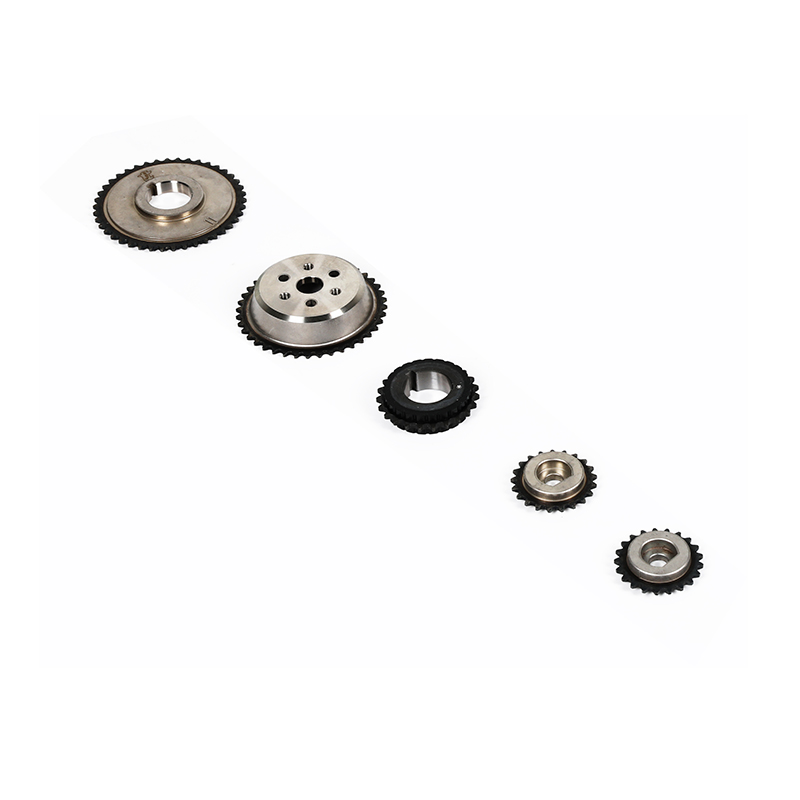
Many hybrid systems, especially mild hybrids, retain traditional internal combustion engines (ICE) that still rely on car engine universal timing sprockets for proper valve timing. In such cases, high-quality aftermarket sprockets—especially CNC-machined universal timing sprockets—remain crucial for engine reliability.
Key Consideration:
OEM vs. Universal Fit: OEM sprockets ensure precise timing, but universal timing sprocket kits offer cost savings and flexibility for custom builds.
Material Matters: Billet aluminum sprockets (common in performance builds) reduce weight vs. cast iron OEM equivalents.
In full EV conversions, where the combustion engine is removed, timing sprockets become obsolete. However, some plug-in hybrid (PHEV) conversions retain the ICE for extended range, meaning timing components remain essential.
| Parameter | OEM Timing Sprocket | Universal Aftermarket Sprocket |
|---|---|---|
| Precision Fit | High (exact match) | Moderate (adjustable) |
| Cost | $$$ (brand-dependent) | $$ (budget-friendly) |
| Durability | 80K-100K miles | 60K-90K miles (varies by brand) |
FAQ Section
Q1: Can I use a universal timing sprocket in a hybrid engine?
A: Yes, if the hybrid retains the original ICE—ensure compatibility with your engine model.
Q2: Do EV conversions need timing sprockets?
A: No, full EVs eliminate the engine, making timing sprockets unnecessary.
Q3: Are CNC-machined universal sprockets better than cast OEM?
A: CNC offers tighter tolerances & weight savings, but OEM guarantees factory precision.