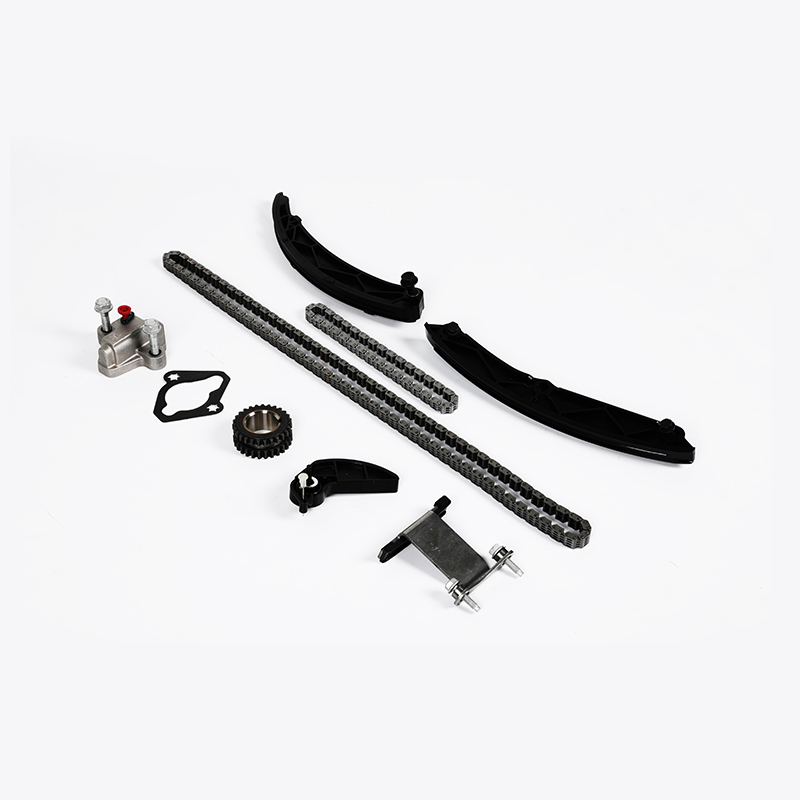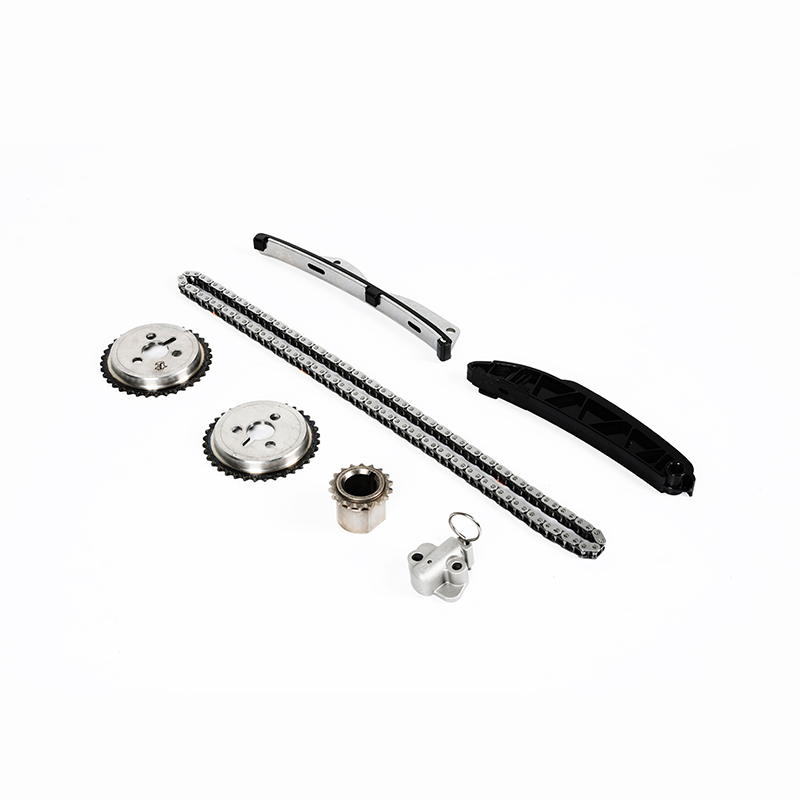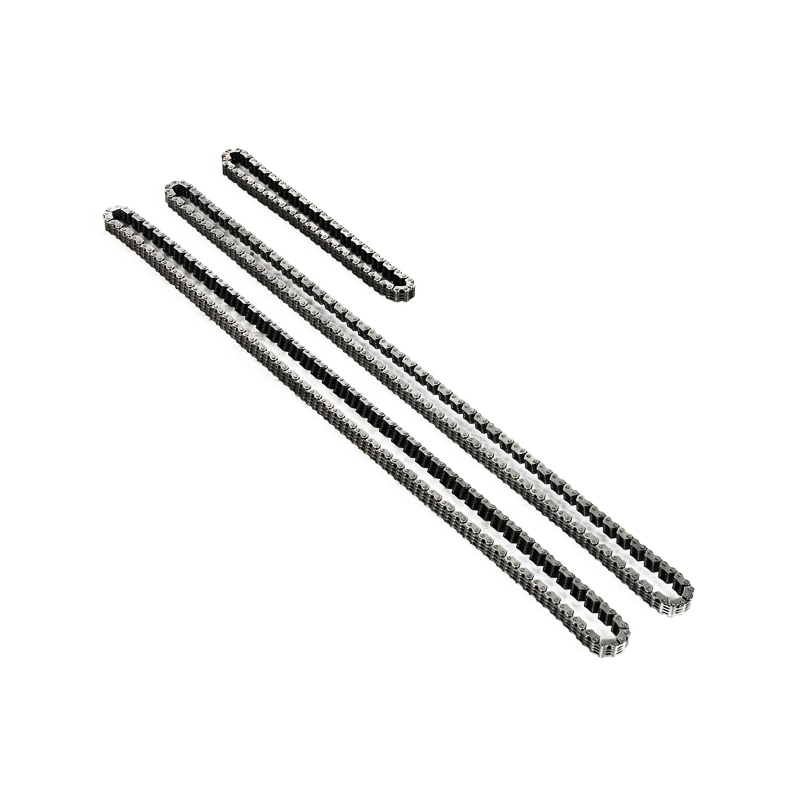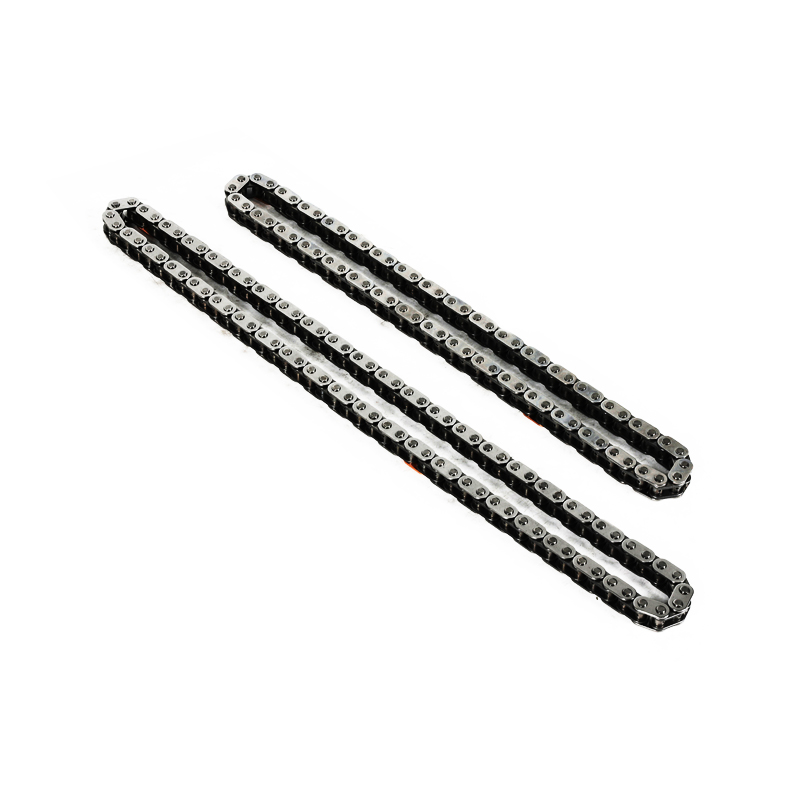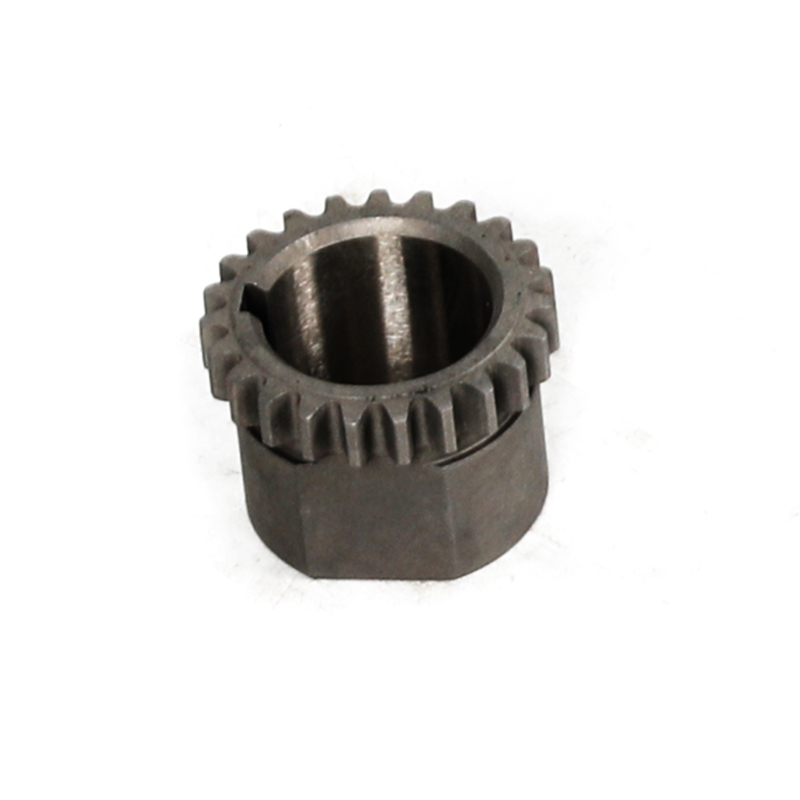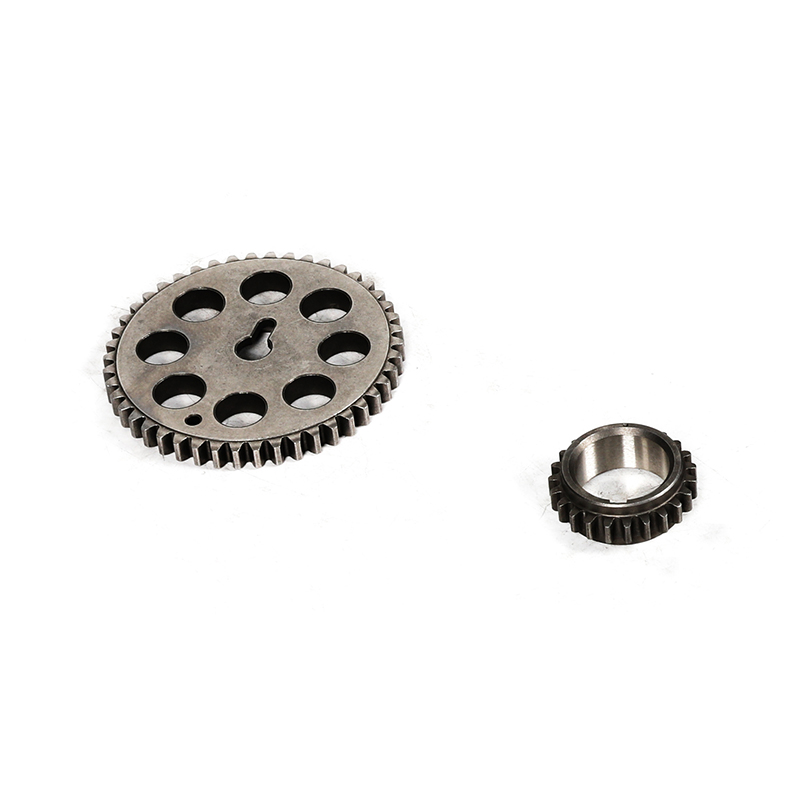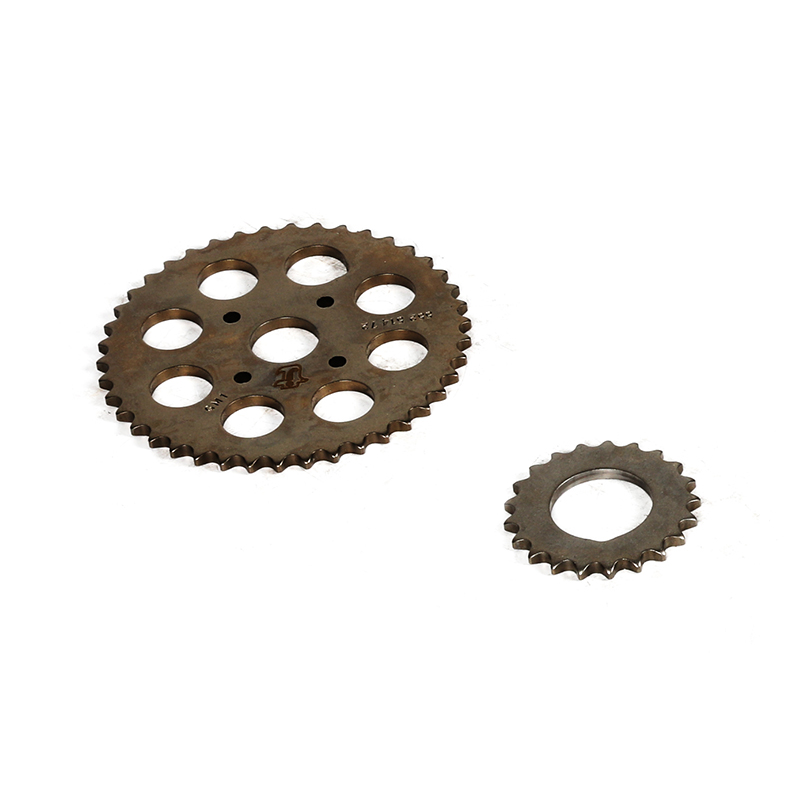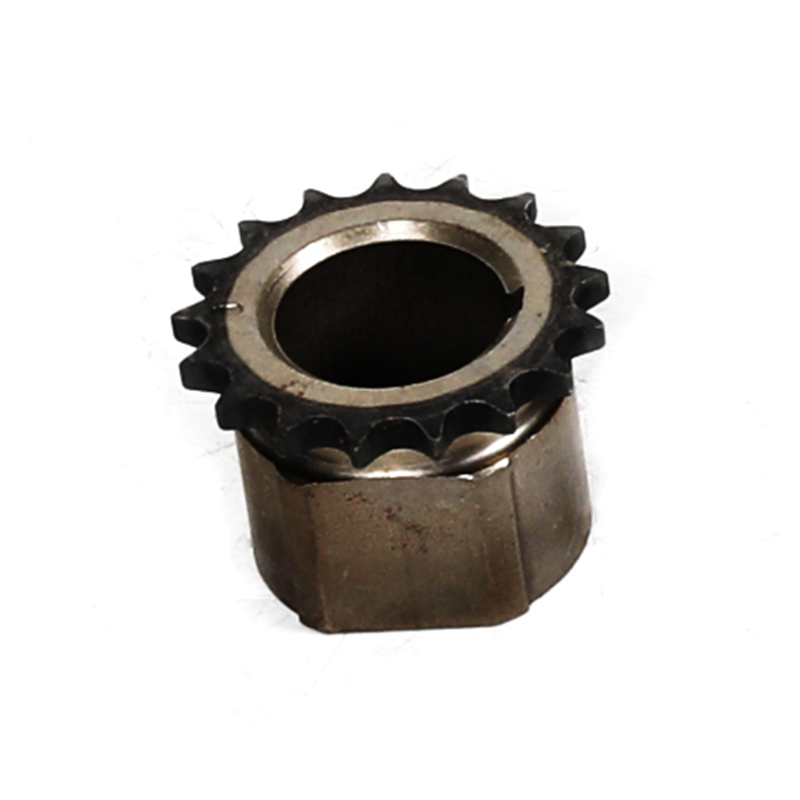
Custom Car Engine Suzuki timing sprocket Suppliers

Home / Products / Timing Sprocket / Suzuki timing sprocket

// Product Categories

// Recommended Products

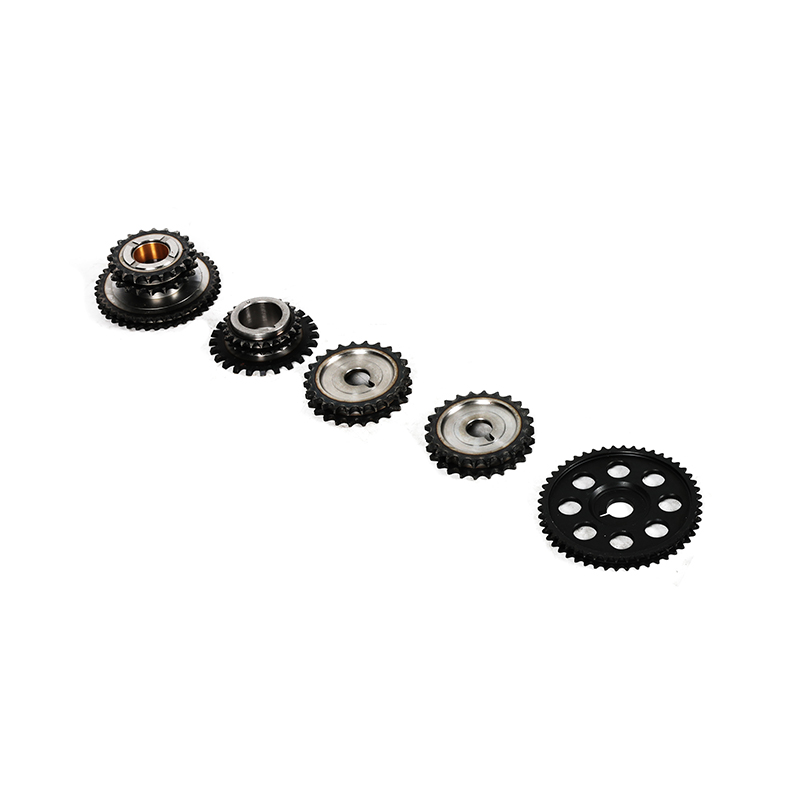
  • Suzuki timing sprocket 0801
    Suzuki timing sprocket 0801

    Category: Suzuki timing sprocket

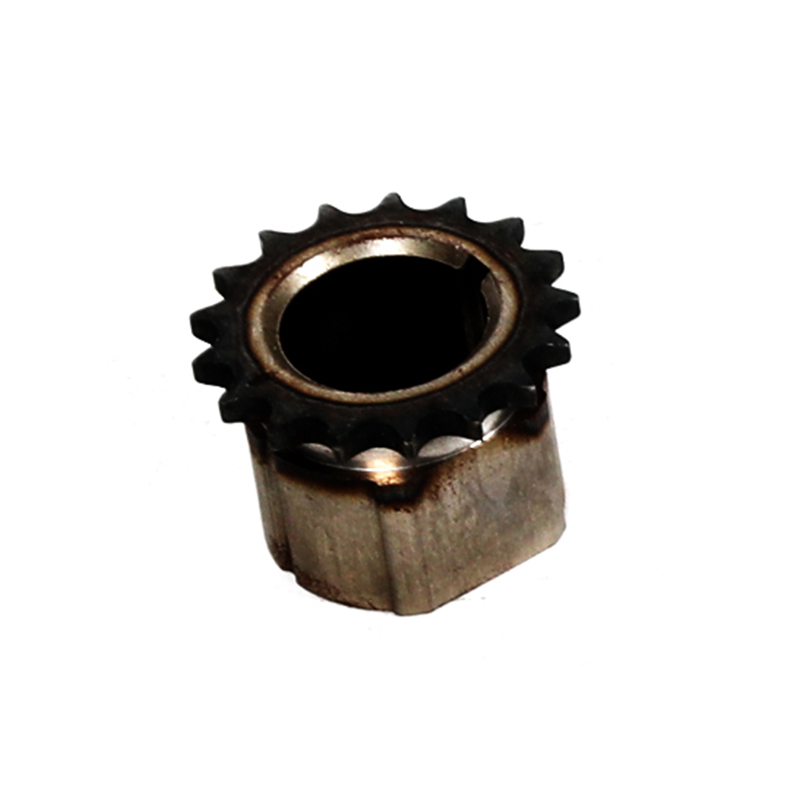
  • Suzuki timing sprocket 0802
    Suzuki timing sprocket 0802

    Category: Suzuki timing sprocket

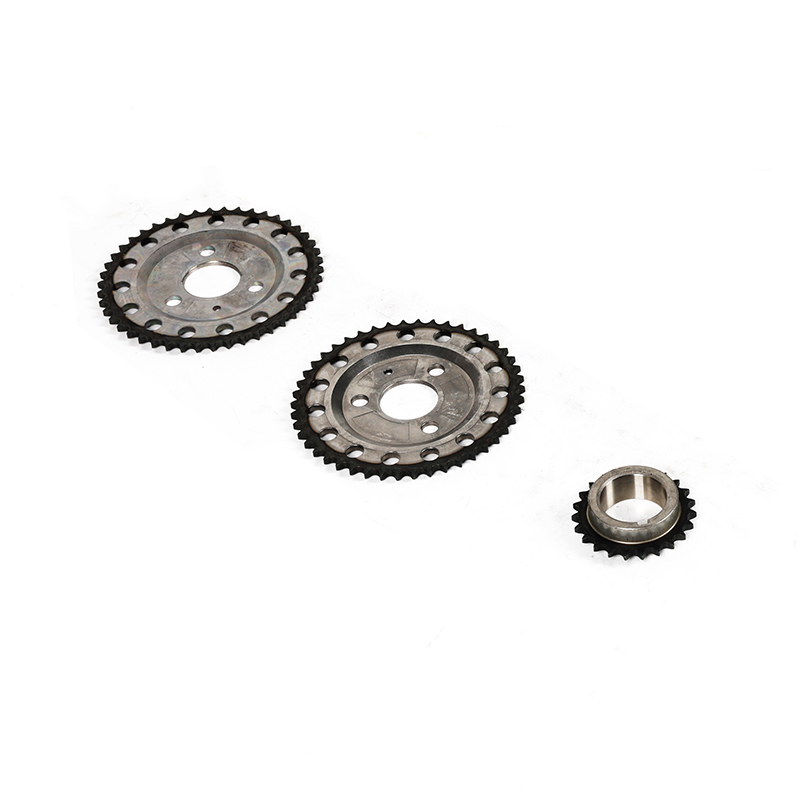
  • Suzuki timing sprocket 0803
    Suzuki timing sprocket 0803

    Category: Suzuki timing sprocket

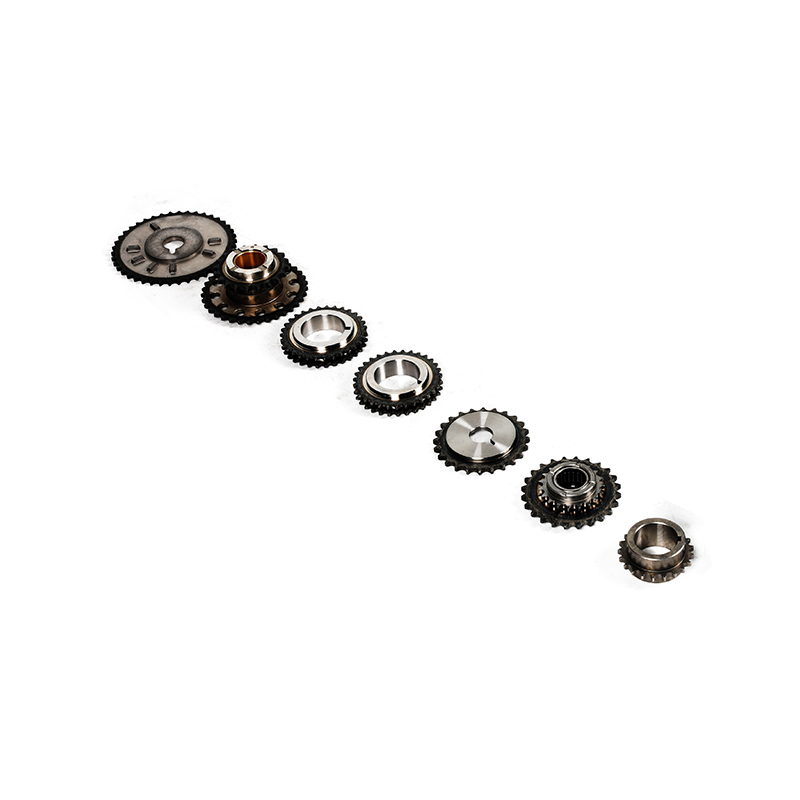
  • Suzuki timing sprocket 0804
    Suzuki timing sprocket 0804

    Category: Suzuki timing sprocket

  • Suzuki timing sprocket 0805
    Suzuki timing sprocket 0805

    Category: Suzuki timing sprocket

  • Suzuki timing sprocket 0806
    Suzuki timing sprocket 0806

    Category: Suzuki timing sprocket

  • Suzuki timing sprocket 0807
    Suzuki timing sprocket 0807

    Category: Suzuki timing sprocket

  • Suzuki timing sprocket 0808
    Suzuki timing sprocket 0808

    Category: Suzuki timing sprocket

  • Suzuki timing sprocket 0809
    Suzuki timing sprocket 0809

    Category: Suzuki timing sprocket

  • Suzuki timing sprocket 0810
    Suzuki timing sprocket 0810

    Category: Suzuki timing sprocket

  • Suzuki timing sprocket 0811
    Suzuki timing sprocket 0811

    Category: Suzuki timing sprocket

Product advantages:
1. All components have been carefully checked and verified to meet the most stringent quality standards to ensure a long service life.
2. The after-sales service team will solve your problems in a timely manner, and we will solve any doubts or questions about the products or orders in a timely manner.
3. The product is applicable to Suzuki, which can directly replace the original accessories.
4. Provide complete timing chain sprocket with the latest design and technology.

Product specification description:
Weight [kg]: 0115
Engine timing system: drive chain
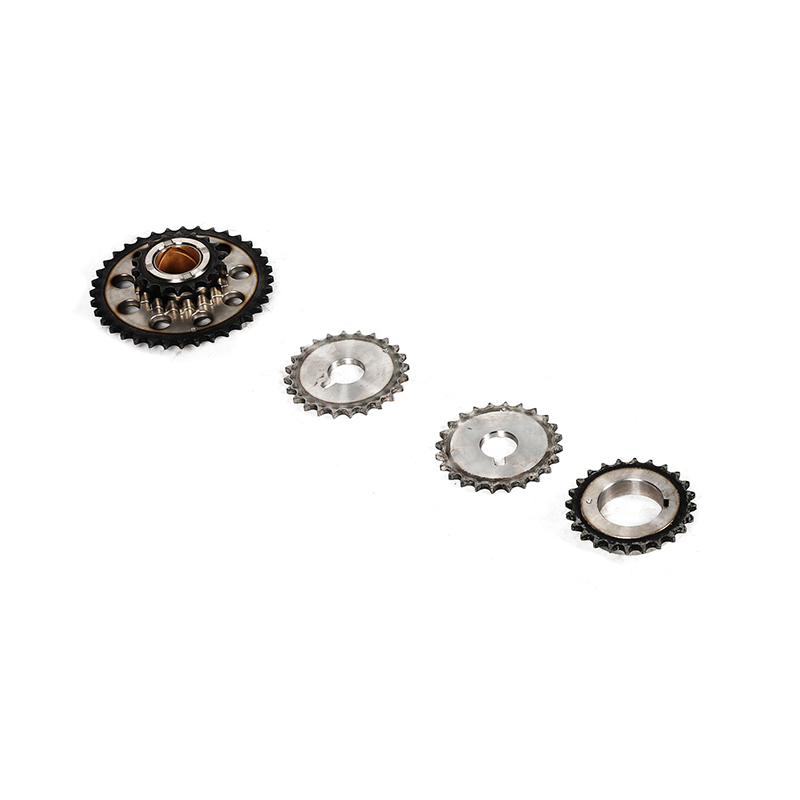
Car Engine Suzuki timing sprocket Suppliers

Huzhou Jingtong Auto Parts Manufacturing Co., Ltd is China car engine Suzuki timing sprocket suppliers and OEM car engine Suzuki timing sprocket company. We focus on auto engine timing chain kits, including timing chains, tensioners, guides, and gears. Our products are used for auto engine timing system parts. We have two our own manufacturing factory, we also have our own international sales department. we produce and sell all by ourselves. We will reply to you within 12 hours of the working day.

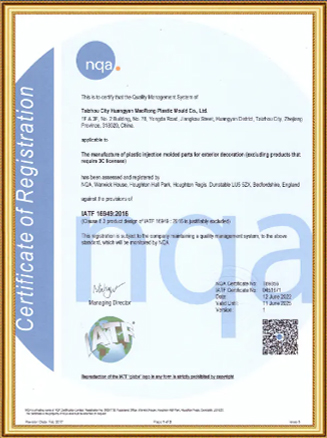
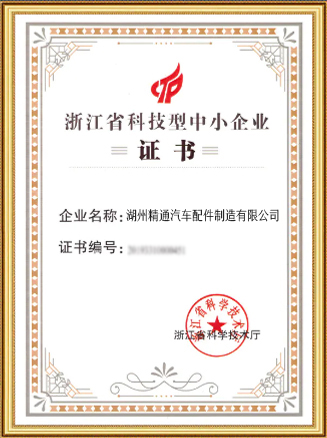
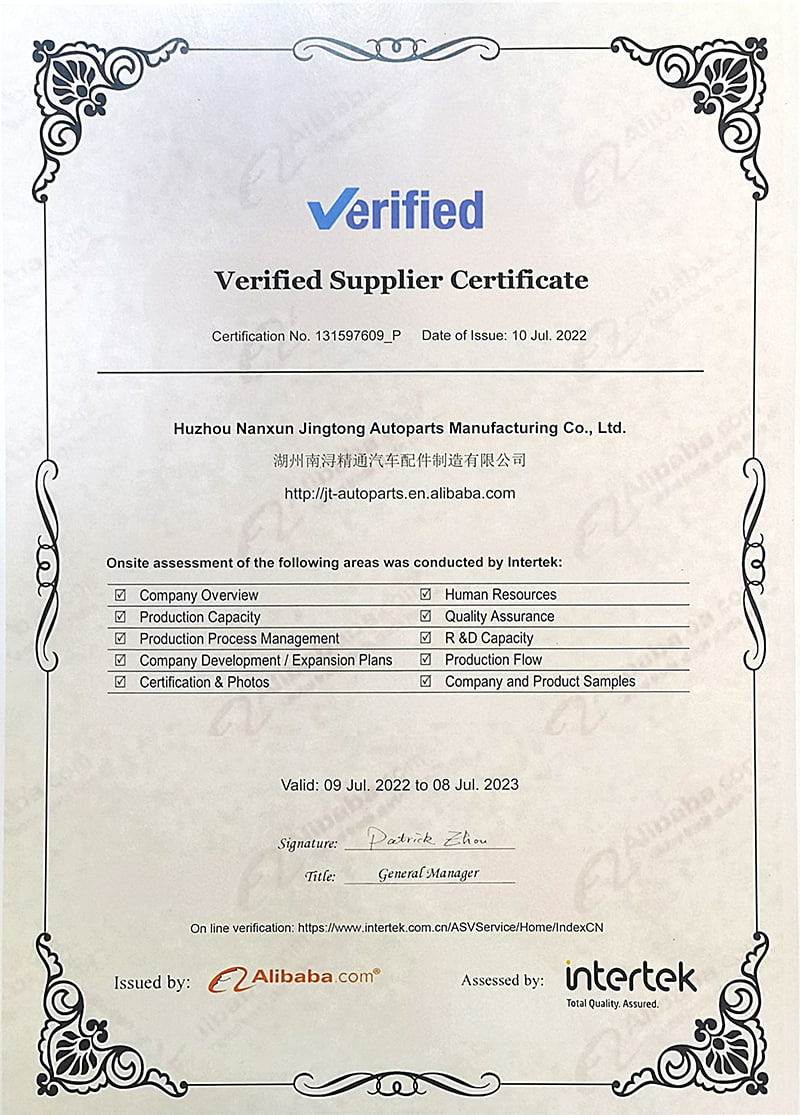
Honor & Certificate

  • GB/T14212-2003 Certificates
  • JB/T10348-200 Standard
  • GB/T14212-2003 Certificates
  • JB/T10348-200 Standard
  • GB/T14212-2003 Certificates
  • JB/T10348-200 Standard
  • Certificates
  • Certificates

Lastest News

Suzuki timing sprocket Industry Knowledge Extension

Suzuki F9Q 1.9L Di-D Turbo Diesel – Crankshaft vs. Camshaft Timing Sprocket: Hardness, Root Radius Differences, and the Mandatory Matched-Set Replacement Rule

The Suzuki F9Q 1.9L Di-D turbo diesel (co-developed with Renault, also known as the Renault F9Q engine family) is a robust 8-valve SOHC common-rail powerplant used in Suzuki Grand Vitara and SX4 diesel variants, as well as Renault Megane and Laguna. Unlike many gasoline engines where crankshaft and camshaft sprockets share identical metallurgy, the F9Q's timing sprockets are engineered with fundamentally different hardness profiles and root radius designs to accommodate their distinct load cycles and duty factors. This article provides a comprehensive comparison of these critical differences and explains why the two sprockets must always be replaced as a matched set. The analysis is supported by manufacturing data from Huzhou Nanxun Jingtong Auto Parts Manufacturing Co., Ltd.

1. F9Q Timing Drive Architecture – Understanding Load Distribution

Before comparing sprocket specifications, it is essential to understand the distinct operating conditions each sprocket experiences in the F9Q diesel engine:

  • Crankshaft sprocket (driving sprocket): Mounted on the crankshaft nose, this sprocket transmits the full engine torque (peak 300 Nm at 2,000 rpm) to the timing chain. It experiences pulsating torsional loads from each cylinder firing (1,200–1,600 pulses per minute at cruise) and operates at temperatures of 90–110°C. The chain tension is highest on this sprocket's drive flank (approx. 2,200 N peak).
  • Camshaft sprocket (driven sprocket): Mounted on the camshaft, this sprocket drives the valve train (8 valves, hydraulic lifters) and the high-pressure injection pump (via the camshaft drive). It experiences reversing loads due to valve spring reaction forces (camshaft torque reversal during lift opening/closing) and operates at slightly lower chain tension (approx. 1,600 N). However, it sees higher cyclic frequency (camshaft rotates at half crankshaft speed, but valve spring loads induce high-frequency oscillations).
  • Resulting design divergence: The crankshaft sprocket must prioritize torsional fatigue resistance and tooth root strength to withstand high-magnitude, low-frequency pulses, while the camshaft sprocket must prioritize surface contact fatigue resistance and wear resistance under high-frequency, reversing loads.

2. Surface Hardness (HRC) – The Critical Distinction

Despite both being made from similar alloy steel grades, the F9Q's crankshaft and camshaft sprockets receive different heat treatments to optimize for their respective load profiles:

Parameter Crankshaft Sprocket (Driving) Camshaft Sprocket (Driven) Design Rationale
Base material (European standard) 42CrMo4 (higher carbon equivalent) 41Cr4 (slightly lower alloy) Crankshaft: higher strength required
Surface hardness (HRC) 56 – 60 HRC 48 – 52 HRC Crankshaft: 8 HRC harder
Case hardening depth (mm) 0.9 – 1.3 mm 0.5 – 0.7 mm Crankshaft: deeper case for impact resistance
Core hardness (HRC) 35 – 40 HRC 28 – 32 HRC Crankshaft: higher core toughness
Induction hardening type Full-tooth induction (flank + root) Tooth-tip only (selective) Crankshaft: complete protection
Case hardness gradient Steep (rapid drop from surface to core) Gradual (smoother transition) Crankshaft: high surface compression

Critical implication: The 8-HRC difference is substantial. The crankshaft sprocket's harder surface (56–60 HRC) is necessary to resist indentation wear from the chain's rollers under high chain tension (2,200 N). If a camshaft sprocket (48–52 HRC) were incorrectly installed on the crankshaft, the softer teeth would suffer rapid brinelling (surface indentation) within 10,000–15,000 km, leading to chain pitch mismatch and jump timing.

3. Tooth Root Radius (R-Value) – Fatigue Life Differentiator

The tooth root radius is the most critical geometric feature for bending fatigue resistance in sprockets. A larger radius reduces stress concentration at the root, while a smaller radius increases tooth stiffness but lowers fatigue life. The F9Q's two sprockets use different root radii for load-specific optimization:

Parameter Crankshaft Sprocket (Driving) Camshaft Sprocket (Driven) Difference
Tooth root radius (R, mm) 1.2 mm ±0.05 0.8 mm ±0.05 Crankshaft: +50% larger radius
Tooth root fillet type Full circular fillet (continuous) Tangential fillet (blended) Different manufacturing process
Stress concentration factor (Kt) at root ~1.8 (lower stress concentration) ~2.4 (higher stress concentration) Crankshaft: 25% lower Kt
Tooth flank angle (pressure angle) 28° (steeper – higher load capacity) 25° (shallower – smoother engagement) Crankshaft: optimized for torque
Bending fatigue limit (N·m, 10⁷ cycles) ≥ 850 N·m ≥ 520 N·m Crankshaft: 63% higher fatigue limit

Critical implication: The crankshaft sprocket's larger root radius (1.2 mm vs. 0.8 mm) reduces the stress concentration factor from 2.4 to 1.8—a 25% reduction in peak stress at the root. This is essential because the crankshaft sprocket experiences 1,200–1,600 torsional pulses per minute under full load, each applying a bending moment to the tooth root. The larger radius increases the tooth's bending fatigue life from approximately 5 million cycles (0.8 mm radius) to over 15 million cycles (1.2 mm radius). Conversely, the camshaft sprocket uses a smaller radius (0.8 mm) to maintain higher tooth stiffness, which is necessary for precise camshaft timing under the reversing loads of valve spring operation.

4. Additional Geometric and Dimensional Differences

Beyond hardness and root radius, the two sprockets also differ in hub design, mounting configuration, and chain contact face geometry—further reinforcing their non-interchangeability:

Parameter Crankshaft Sprocket Camshaft Sprocket Difference
Number of teeth 18 teeth 36 teeth 2:1 ratio (crankshaft drives at 2x speed)
Hub bore diameter (mm) 28.0 mm (crankshaft nose) 32.0 mm (camshaft nose) Different mounting diameters
Overall sprocket thickness (mm) 14.0 mm ±0.1 16.0 mm ±0.1 Camshaft: 2 mm thicker (wider hub)
Chain contact face width (mm) 7.0 mm (single row chain) 7.0 mm (single row chain) Same width – but hub different
Mounting bolt pattern Integral with crankshaft – no bolts 4 x M8 on 46 mm PCD Completely different mounting
Weight (grams) 245 g ±5 310 g ±5 Camshaft: 26% heavier
Keyway type Woodruff key slot (3.0 mm wide) Dowel pin hole (3.0 mm diameter) Different locating mechanisms

Critical finding: The crankshaft sprocket is mounted directly onto the crankshaft nose via an interference fit (shrink fit) plus a woodruff key, while the camshaft sprocket is bolted to the camshaft flange via four M8 bolts. These fundamentally different mounting systems mean the two sprockets cannot be physically swapped even if all other dimensions were identical—which they are not.

5. Why Must Both Sprockets Be Replaced as a Matched Set?

Based on engineering analysis from Huzhou Nanxun Jingtong Auto Parts Manufacturing Co., Ltd., replacing only one F9Q sprocket (either crankshaft or camshaft) while retaining the other old sprocket introduces three critical failure mechanisms:

  • Worn old sprocket vs. new sprocket – tooth profile mismatch: An old sprocket with 80,000+ km has experienced 2–5% tooth flank wear (measured as reduced tooth thickness at the pitch circle). A new sprocket has full-profile teeth. The chain's rollers will engage the old and new sprockets at different pitch points, causing chain vibration (amplitude ±0.3 mm) and uneven load distribution. This increases chain stress by 15–20% and reduces chain life by 50%.
  • Worn old sprocket root radius – fatigue crack initiation: An old sprocket with accumulated fatigue cycles has micro-cracks at the tooth root (typically 0.01–0.03 mm deep, visible only under magnification). When paired with a new sprocket that has no fatigue history, the old sprocket becomes the weakest link and will fail at 20–30% of its remaining fatigue life, causing unpredictable fracture.
  • Hardness differential between old and new sprockets: Even if both sprockets are manufactured to the same original specification, the old crankshaft sprocket's surface hardness may have dropped by 2–3 HRC due to thermal cycling and wear (tempering effect). Installing a new camshaft sprocket with full hardness (48–52 HRC) alongside an old crankshaft sprocket with reduced hardness (53–55 HRC) creates a wear rate mismatch—the softer old sprocket will wear 3–4 times faster than the new one, generating metal debris that will contaminate the chain and tensioner.

Huzhou Nanxun Jingtong Auto Parts Manufacturing Co., Ltd. has quantified this risk through accelerated durability testing on F9Q engine simulators. The results are clear:

Replacement Scenario Average Chain Life to 0.3% Elongation Average Sprocket Wear Depth (mm) Premature Failure Rate (before 100k km)
Both sprockets replaced (matched set) 180,000 – 200,000 km ≤ 0.10 mm (both sprockets) < 2%
Crankshaft sprocket only (old camshaft retained) 80,000 – 100,000 km 0.25 mm (old camshaft) / 0.08 mm (new crank) 67%
Camshaft sprocket only (old crankshaft retained) 70,000 – 90,000 km 0.30 mm (old crankshaft) / 0.06 mm (new cam) 72%
Both old (no replacement) 120,000 – 150,000 km (original life) 0.20 – 0.35 mm (both worn) Gradual – no sudden failure

Conclusion: Replacing only one sprocket paradoxically reduces the system's reliability compared to replacing neither. The old sprocket becomes a point of accelerated wear, shedding metal debris that attacks the new sprocket and the timing chain. The only safe practice is to replace both crankshaft and camshaft sprockets as a matched set.

6. Final Recommendation – The Safe Approach

For Suzuki F9Q 1.9L Di-D diesel engines, Huzhou Nanxun Jingtong Auto Parts Manufacturing Co., Ltd. recommends the following protocol:

  • Always replace the entire timing drive system – crankshaft sprocket, camshaft sprocket, timing chain, guides, and tensioner—as a complete kit. Mixing old and new sprockets is a false economy.
  • Inspect the old sprockets for root fatigue cracks – when disassembling an F9Q engine, examine the tooth root area with a 10x magnifying glass. If any radial hairline cracks are visible, the engine must not be reassembled with either old sprocket.
  • Verify the hardness of replacement sprockets – use a portable hardness tester (e.g., Leeb or Rockwell) to confirm that the crankshaft sprocket achieves 56–60 HRC and the camshaft sprocket achieves 48–52 HRC before installation.

Huzhou Nanxun Jingtong Auto Parts Manufacturing Co., Ltd. produces complete, matched Suzuki timing sprocket kits for the F9Q engine, manufactured to GB/T14212-2003 and JB/T10348-200 standards using high-carbon chromium alloy steel. Our 8,000 m² factory and 12,000 m² total footprint allow us to maintain separate production and heat treatment lines for crankshaft and camshaft sprockets, ensuring that each pair is matched for hardness, root radius, and tooth geometry. When you order from us, you receive a certified matched set—not two individually packed sprockets that may have come from different batches. This guarantees that both sprockets share identical wear characteristics and fatigue histories from the first engine start.

7. FAQ – Frequently Asked Questions

FAQ 1: Can I resurface or re-harden a worn F9Q sprocket instead of buying a new one?

Answer: No, this is not a viable or safe practice. Resurfacing (grinding) the tooth flanks to remove wear would reduce the tooth thickness below the minimum allowable limit (GB/T14212-2003 specifies a minimum tooth thickness reduction of 5% before the sprocket must be scrapped). Re-hardening an already-heat-treated sprocket is also impractical—induction re-hardening would require temperatures above 850°C, which would distort the sprocket geometry (tooth profile and bore concentricity) beyond acceptable tolerances (±0.02 mm). Furthermore, the sprocket's fatigue life is a function of its cumulative cycle history, not just surface hardness. A re-hardened sprocket retains the micro-cracks and residual stress from its previous service life, which will propagate under load regardless of the new surface hardness. Huzhou Nanxun Jingtong Auto Parts Manufacturing Co., Ltd. does not recommend or endorse any reconditioning of timing sprockets. The only reliable solution is a new, certified matched Suzuki timing sprocket set from our factory. Our manufacturing process—from high-carbon chromium alloy steel forging to CNC hobbing to induction hardening—is fully controlled per GB/T14212-2003 and JB/T10348-200, guaranteeing fatigue life exceeding 15 million cycles for the crankshaft sprocket and 10 million cycles for the camshaft sprocket.

FAQ 2: How does Huzhou Nanxun Jingtong Auto Parts Manufacturing Co., Ltd. ensure that the crankshaft and camshaft sprockets in each F9Q matched set have the correct hardness and root radius pairing?

Answer: Huzhou Nanxun Jingtong Auto Parts Manufacturing Co., Ltd. has specialized in engine timing system components since 2013, with a 2017 warehouse expansion near Shanghai and an 8,000 m² factory built in 2022—now operating 3 branches across 12,000 m². For the Suzuki F9Q product line, we implement a strict batch pairing protocol: each batch of crankshaft sprocket forgings and camshaft sprocket forgings is processed through separate heat treatment furnaces with dedicated time-temperature profiles. After hardening, every sprocket undergoes a hardness test per Rockwell C scale (56–60 HRC for crank, 48–52 HRC for cam) using a calibrated tester. Sprockets that pass hardness inspection then go to a coordinate measuring machine (CMM) to verify root radius (1.2 mm for crank, 0.8 mm for cam) with ±0.02 mm accuracy. Finally, each matched set is assembled into a certified pairing—the crankshaft and camshaft sprockets are physically bagged together with a unique lot number that ties back to their shared forging and heat treatment history. This ensures that both sprockets in your set are not only dimensionally correct but also have experienced identical thermal processing, minimizing any mismatch in residual stress or case depth. All our products are manufactured per GB/T14212-2003 and JB/T10348-200 standards, with 100% final inspection including optical comparator verification of tooth profile and root fillet geometry.

FAQ 3: What are the earliest audible or diagnostic signs that a mismatched (single-spocket replacement) has been performed on a Suzuki F9Q engine?

Answer: Based on field reports collected by Huzhou Nanxun Jingtong Auto Parts Manufacturing Co., Ltd. from workshops across Europe and Asia, the following three symptoms typically appear within 20,000–40,000 km after a single-sprocket replacement:

  • Intermittent "clacking" noise during engine deceleration (over-run) – when the engine is coasting in gear (e.g., at 2,500–3,000 rpm with no throttle), the chain tension momentarily decreases, and the mismatched sprocket's different wear patterns cause the chain to momentarily lift off the tooth flanks, creating a distinct metallic clacking sound from the timing cover area. This is most audible at speeds of 40–60 km/h with the windows closed.
  • Progressive increase in diesel injection knock at 1,800–2,200 rpm – the camshaft timing drifts by 1–2° due to the old sprocket's looser fit on the camshaft nose (wear on the dowel pin hole or keyway). This alters the injection pump timing, resulting in a harsh combustion knock that worsens as the engine warms up to operating temperature (85–95°C).
  • Accumulation of "gray metallic paste" on the timing cover's magnetic drain plug at oil changes – this is the visible evidence of accelerated sprocket wear. The old sprocket (with reduced hardness or root fatigue) sheds microscopic steel particles at 3–4 times the normal rate. These particles are magnetized and collect on the drain plug, forming a gray sludge that indicates imminent sprocket tooth failure.

If any of these symptoms are present, do not attempt to "run-in" the new sprocket or hope the wear will equalize. The wear rate is exponential—once the old sprocket begins shedding metal, the degradation accelerates rapidly. Stop driving and replace both sprockets immediately with a certified matched set. Huzhou Nanxun Jingtong Auto Parts Manufacturing Co., Ltd. offers complete, F9Q-specific timing system kits through our Suzuki timing sprocket page. A full kit replacement—including chain, guides, tensioner, and both sprockets—is the only way to restore the engine's original timing accuracy and safe operating life.