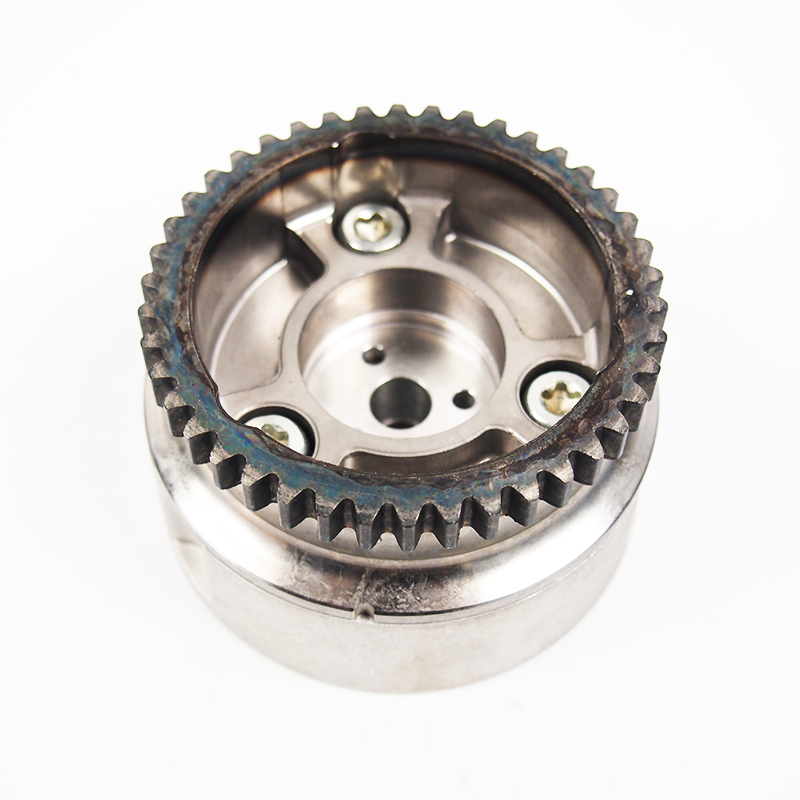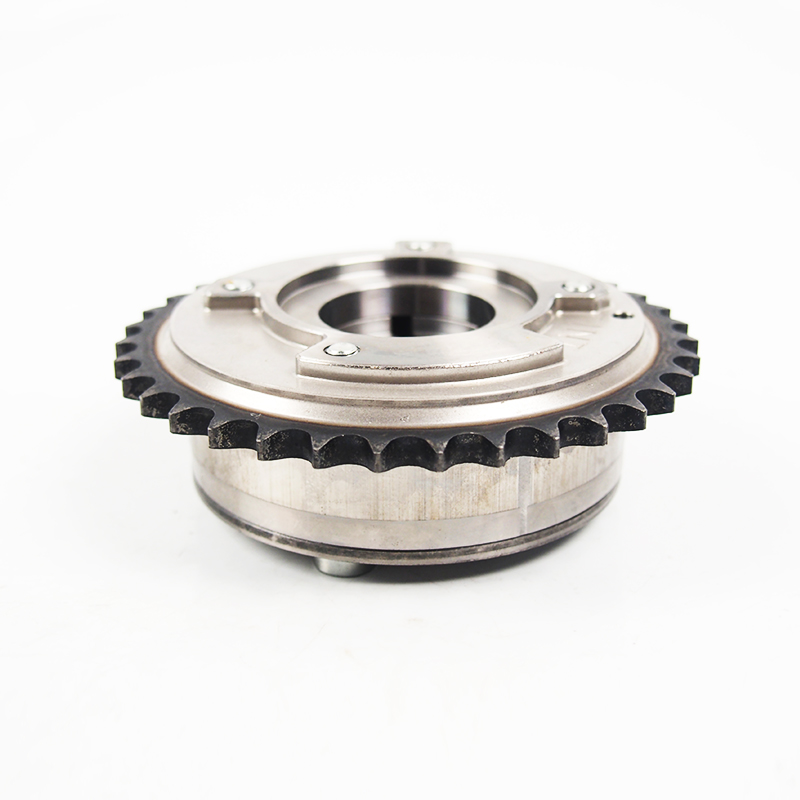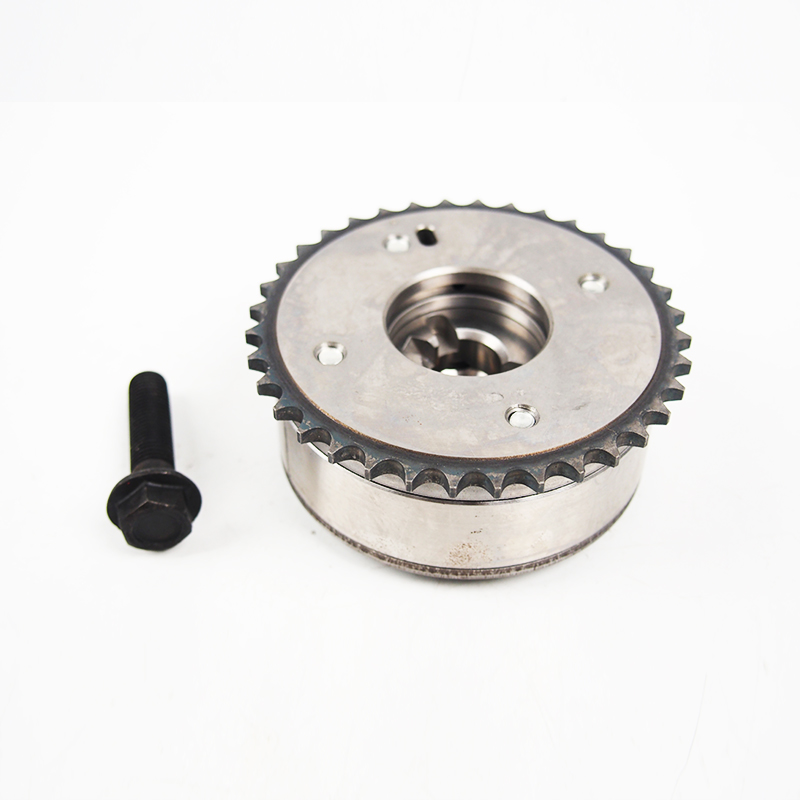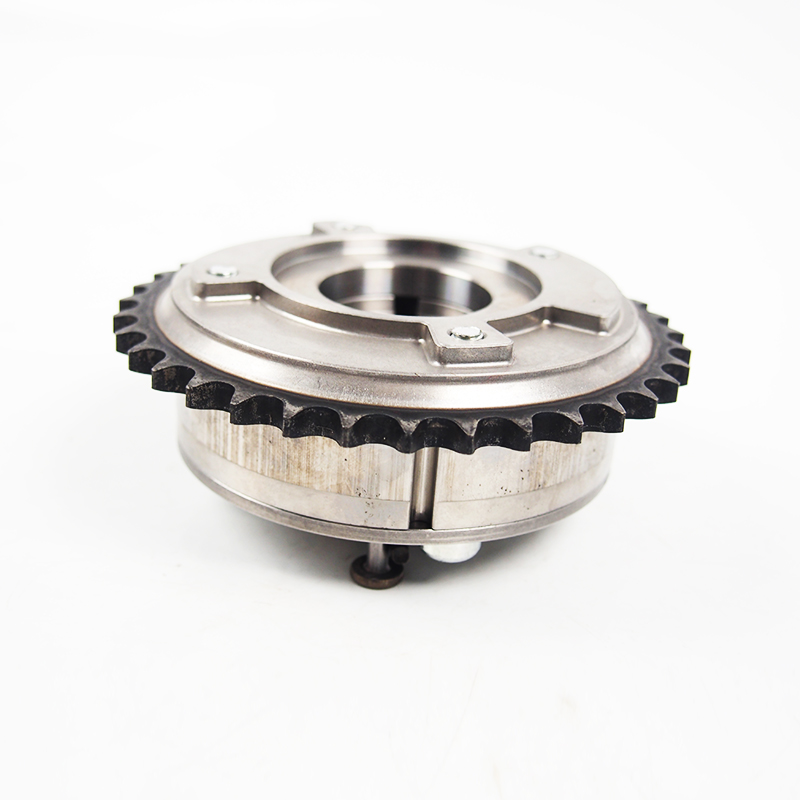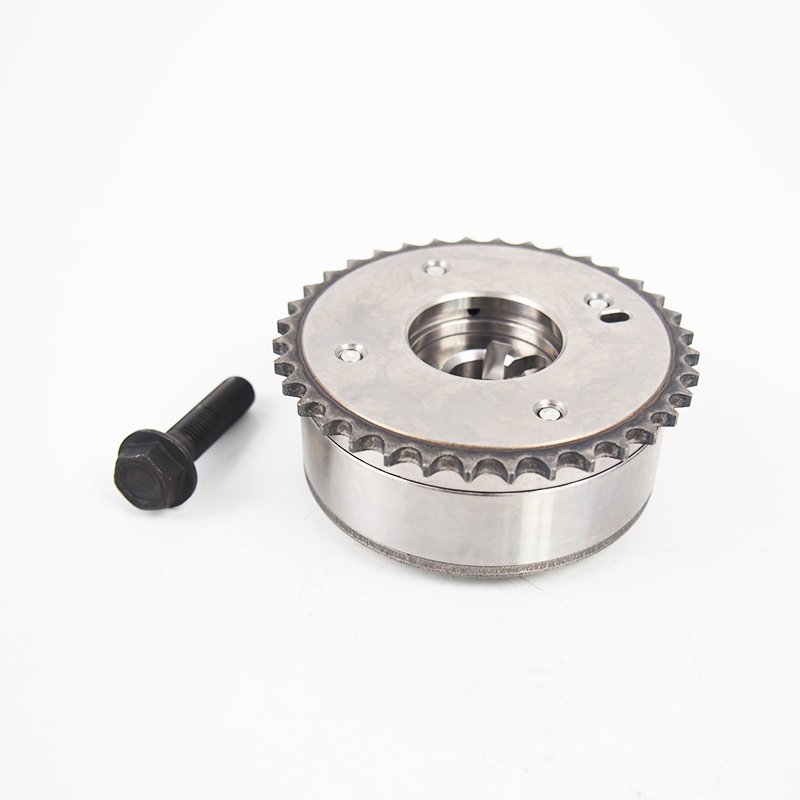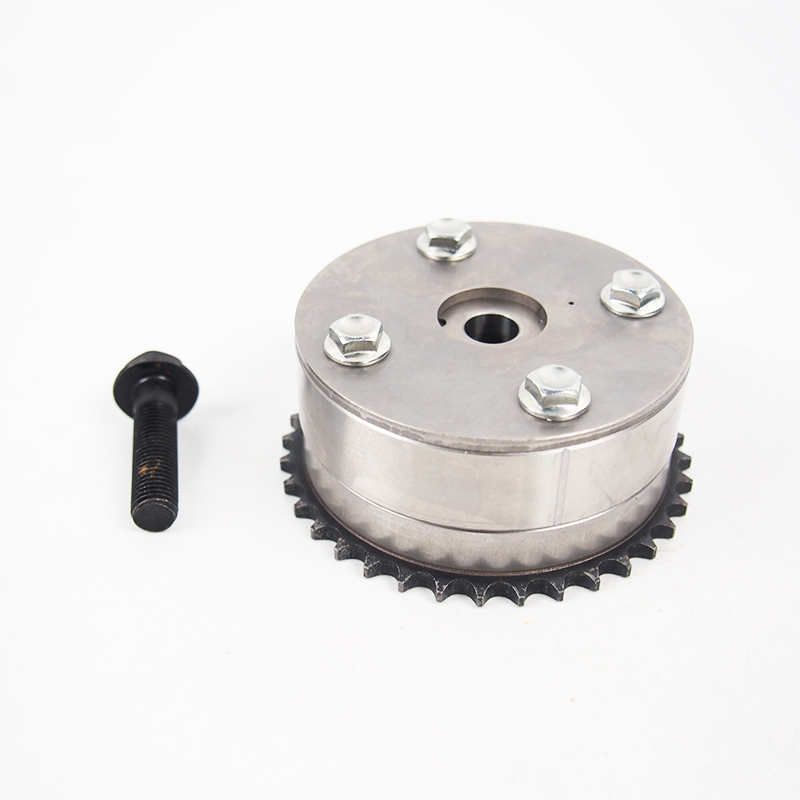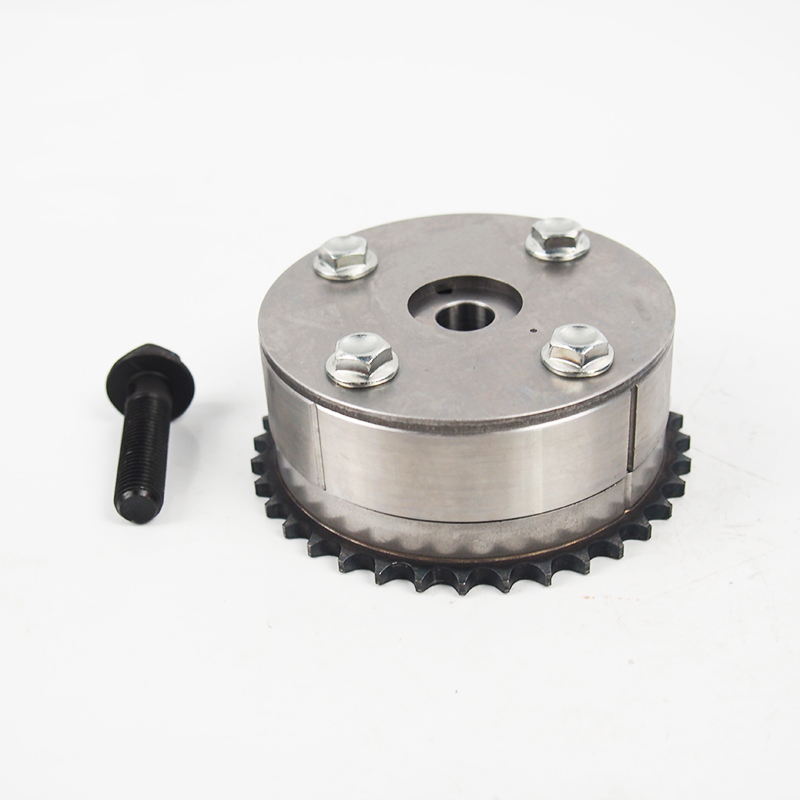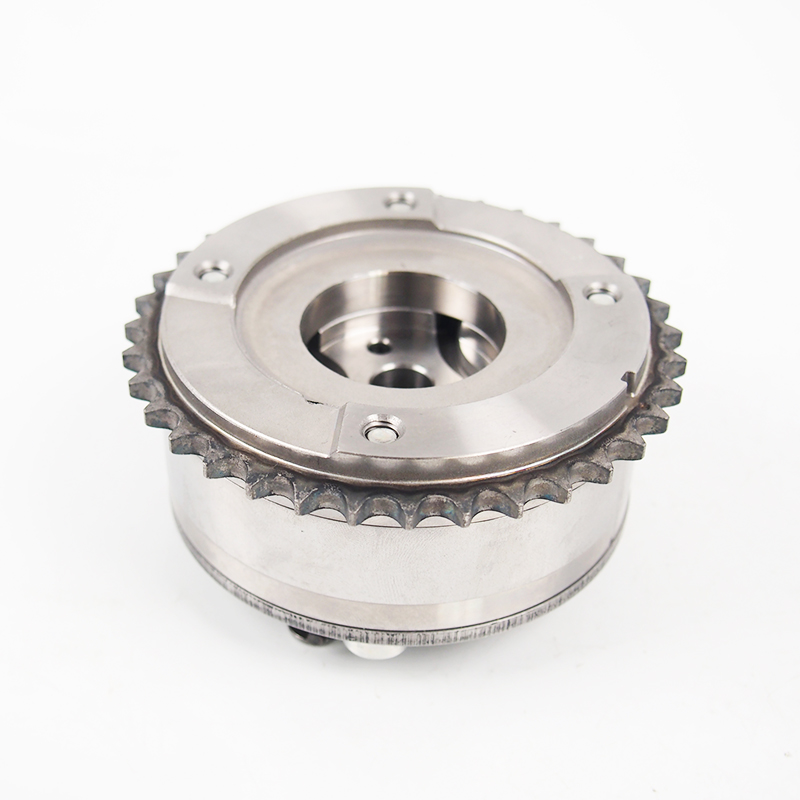
TOYOTA Camshaft Phase Regulater(VVT) Industry Knowledge Extension
Common Toyota VVT Failure Symptoms: Diagnosing Camshaft Timing Issues in 2024 Models
Toyota's Variable Valve Timing (VVT) system, particularly the camshaft phase regulator (VVT-i or VVT-iE), plays a crucial role in engine performance, fuel efficiency, and emissions control. However, failures can lead to costly repairs if ignored.
1. Check Engine Light & VVT-Related Codes
Common DTCs (Diagnostic Trouble Codes):
P0010 (Camshaft Position Actuator Circuit)
P0011 (Camshaft Position Over-Advanced)
P0012 (Camshaft Position Over-Retarded)
2. Rough Idling & Poor Acceleration
A failing VVT solenoid or clogged oil passages can cause erratic camshaft timing, leading to:
Jerky acceleration
Misfires (especially at low RPM)
Long-tail keyword: "Toyota VVT solenoid symptoms rough idle"
3. Loud Rattling Noise on Cold Start (VVT Gear Rattle)
Caused by low oil pressure or worn camshaft phaser gears.
Most noticeable during the first 2-3 seconds after startup.
4. Decreased Fuel Efficiency
If the camshaft timing is off, the engine compensates by burning more fuel.
Compare before & after MPG—a drop of 2-4 MPG may indicate VVT issues.
5. Engine Stalling or Hard Starting
Severe VVT system failure can disrupt the air-fuel mixture, causing stalls.
FAQ (Frequently Asked Questions)
Q1: How much does it cost to replace a Toyota VVT solenoid?
A: Typically 150-150−400 (parts + labor), depending on model (e.g., Camry vs. RAV4).
Q2: Can I drive with a faulty VVT system?
A: Short distances only—prolonged driving risks engine damage.
Q3: Does synthetic oil help prevent VVT failure?
A: Yes, Toyota 0W-20 synthetic oil reduces sludge buildup in VVT components.