
 English
  русский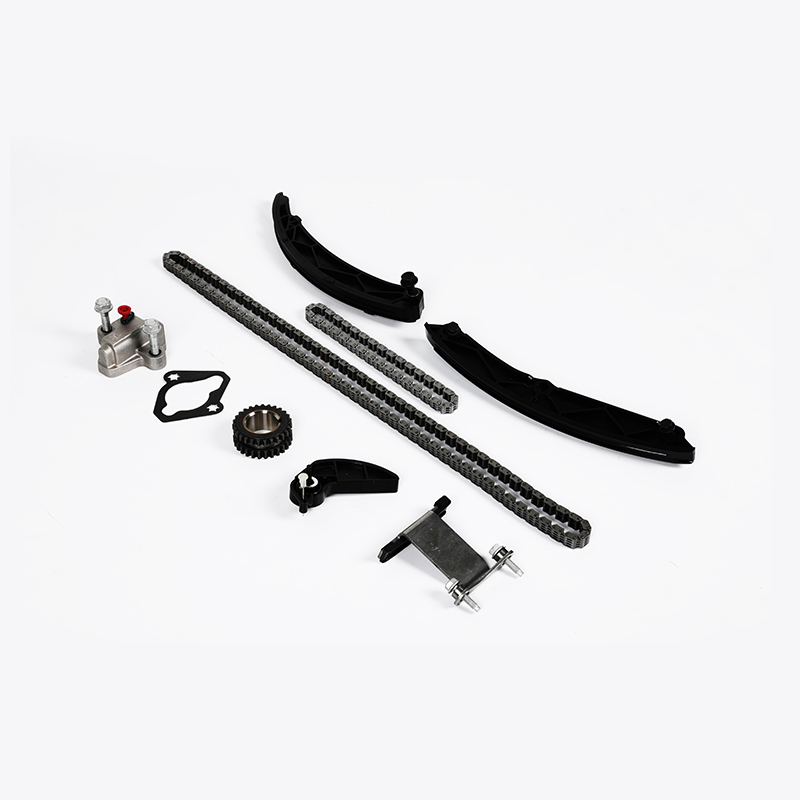
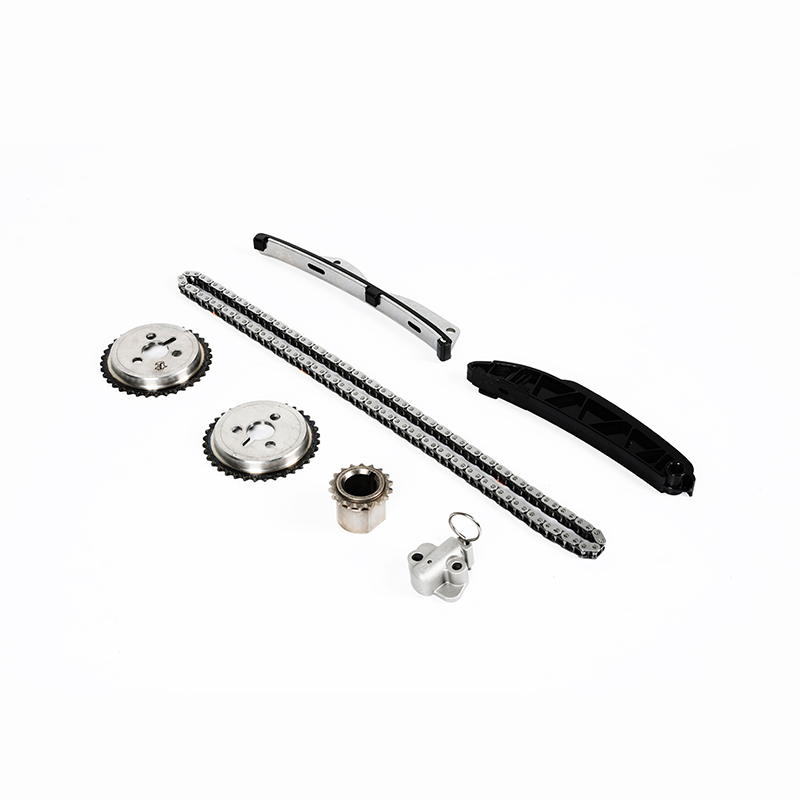
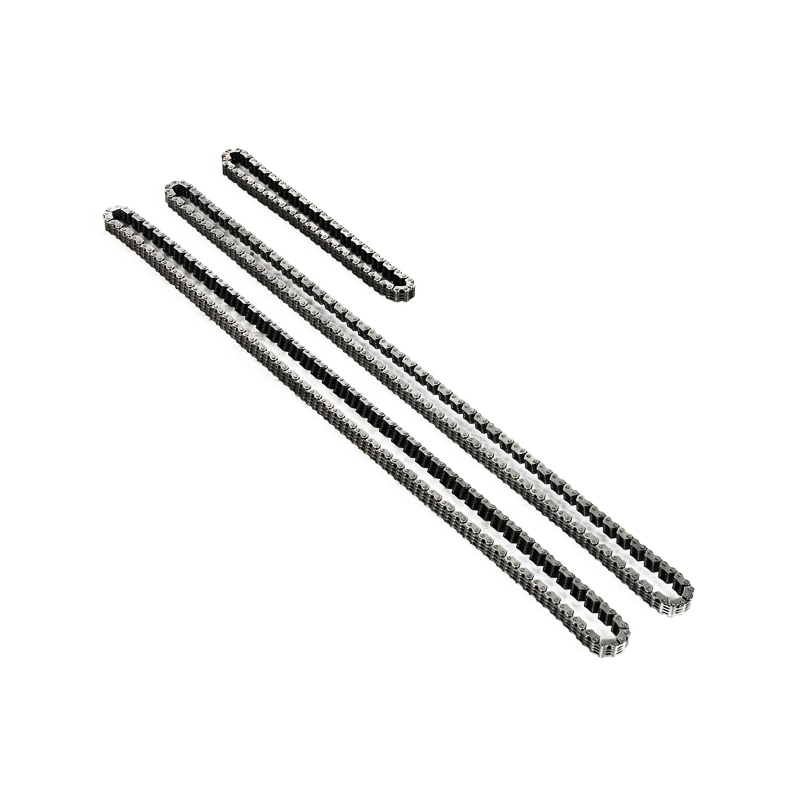
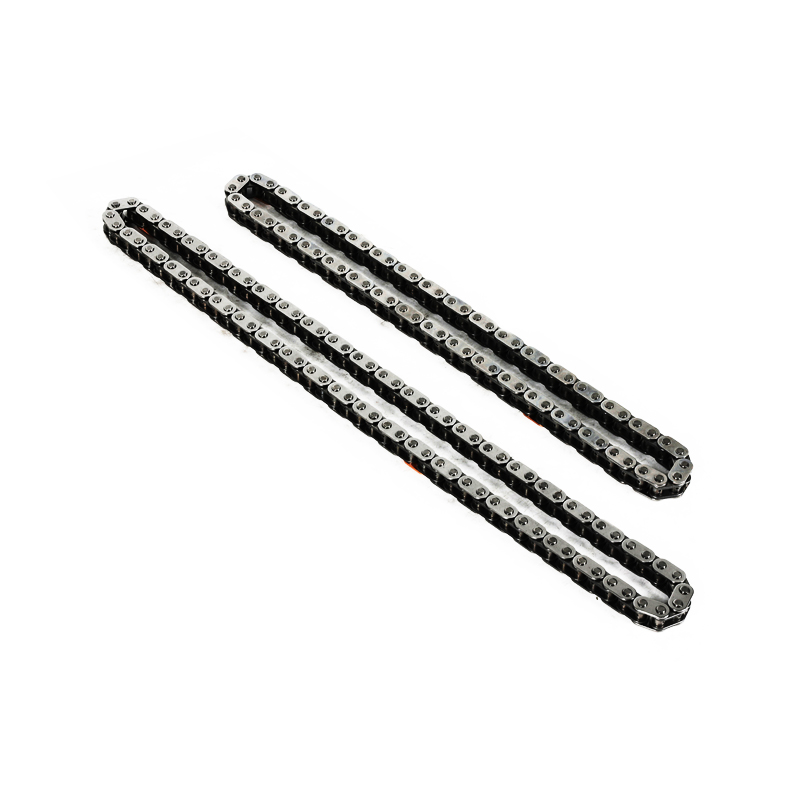
Product advantages:
1. Provide consistent tension to help keep the engine running at an appropriate time.
2. Replacement parts of GM original parts recommended by General Motors.
3. Made of high-quality materials. Each component has been extensively tested and measured for function and durability to ensure the best performance.
4. The latest design and material technology are used to ensure a quiet and maintenance free experience.
Product specification description:
Weight [kg]: 0073
// Product Categories
// Recommended Products
-
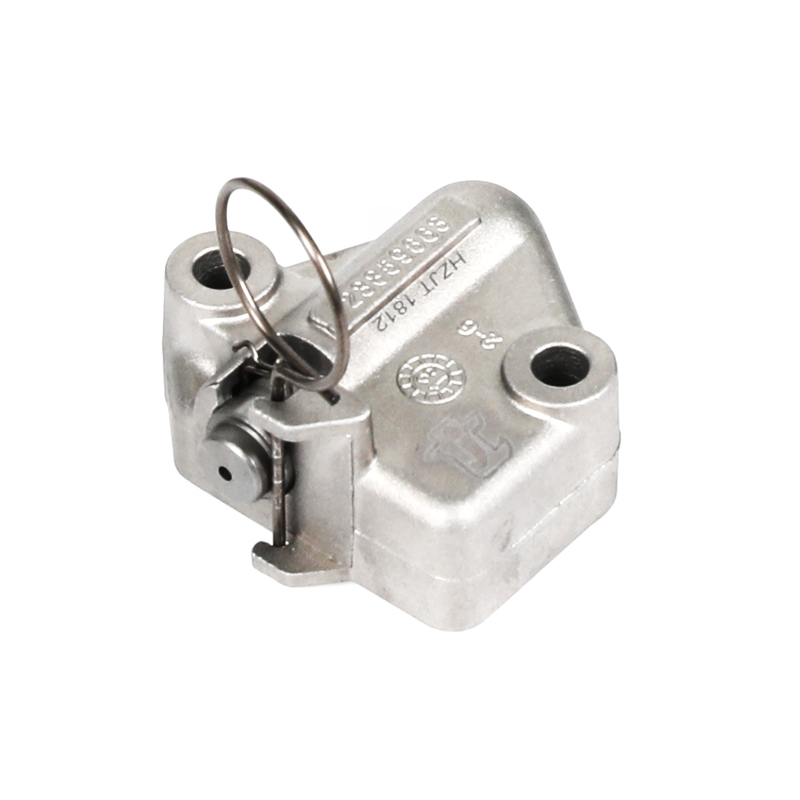
Universal timing chain tensioner 0101
Category: Universal timing chain tensioner
-
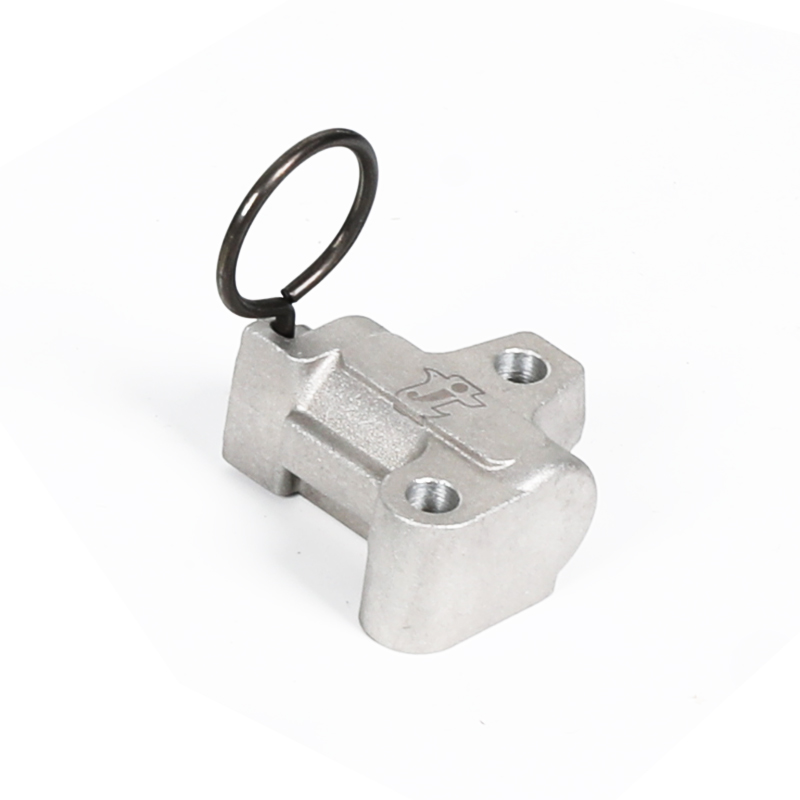
Universal timing chain tensioner 0102
Category: Universal timing chain tensioner
-
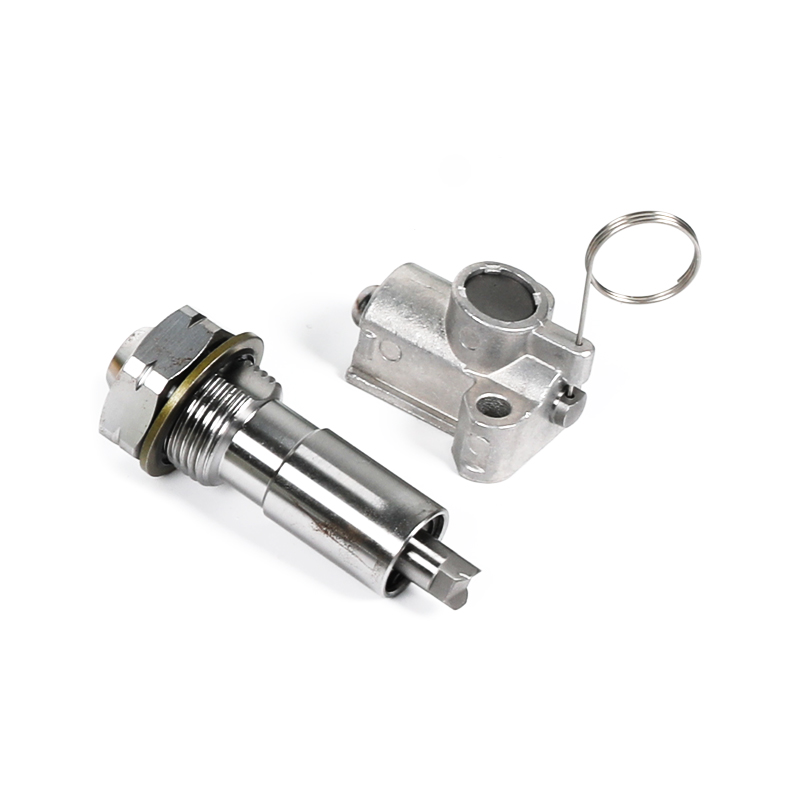
Universal timing chain tensioner 0104
Category: Universal timing chain tensioner
-
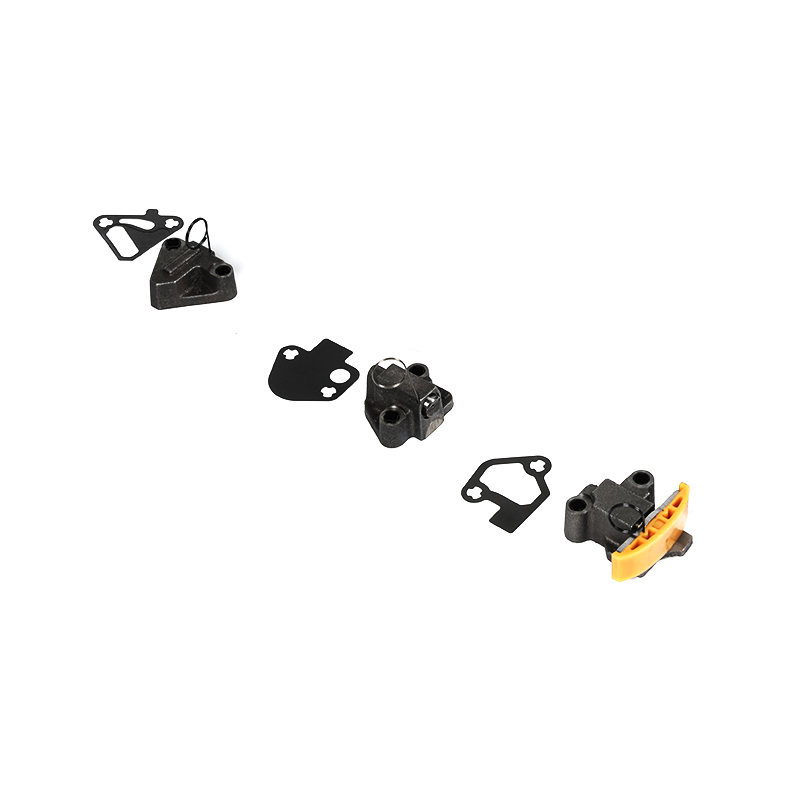
Universal timing chain tensioner 0105
Category: Universal timing chain tensioner
-
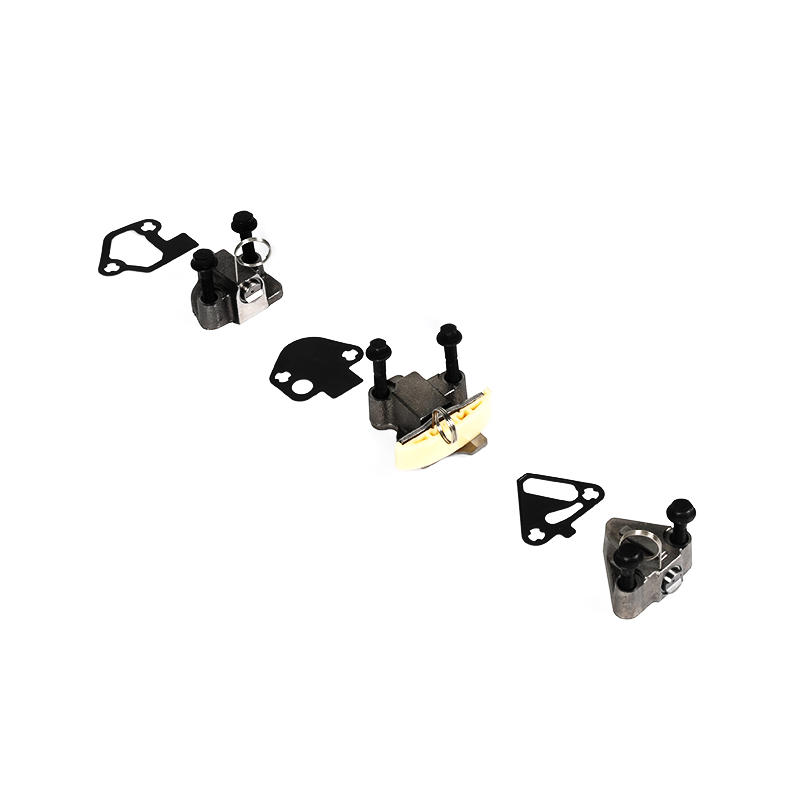
Universal timing chain tensioner 0106
Category: Universal timing chain tensioner
-
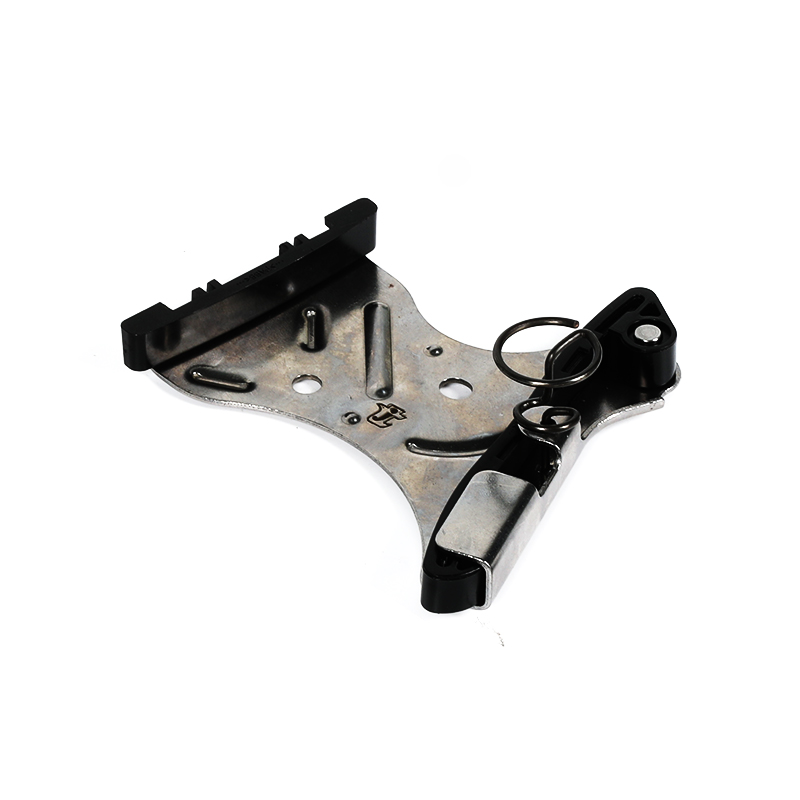
Universal timing chain tensioner 0107
Category: Universal timing chain tensioner
-
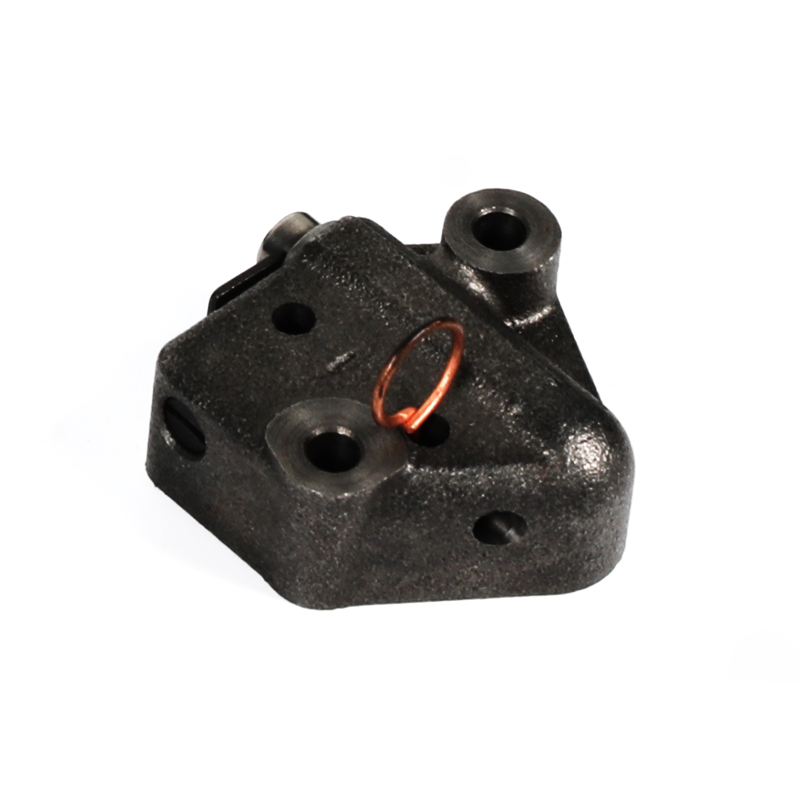
Universal timing chain tensioner 0108
Category: Universal timing chain tensioner
-
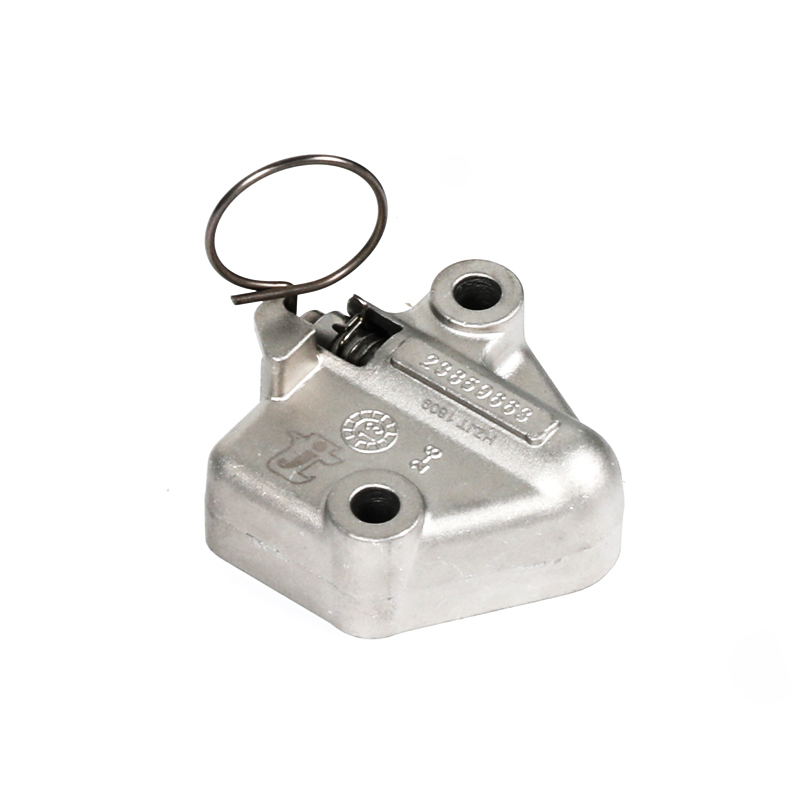
Universal timing chain tensioner 0109
Category: Universal timing chain tensioner
-
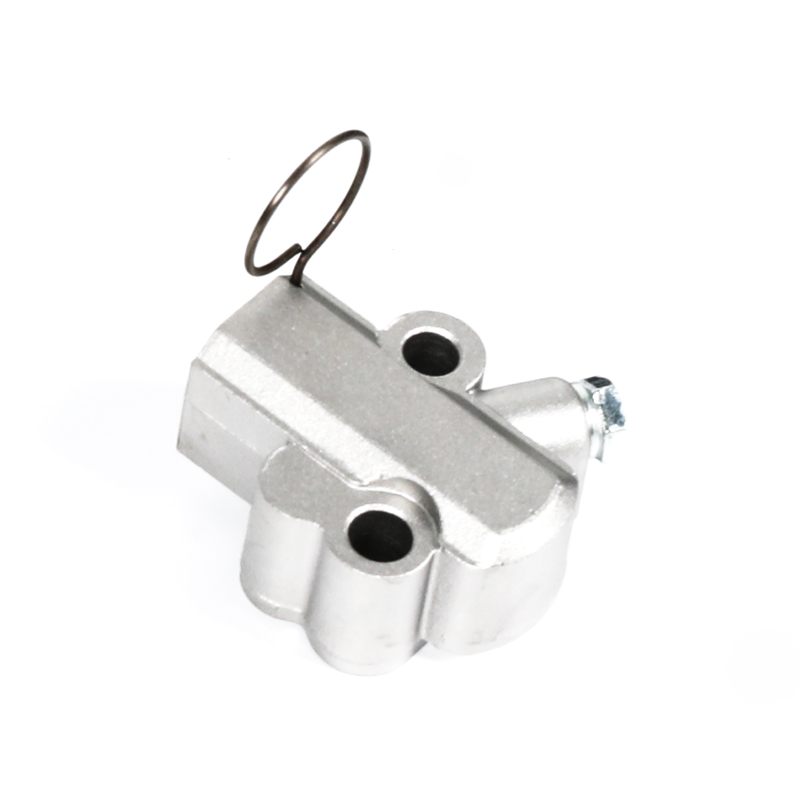
Universal timing chain tensioner 0110
Category: Universal timing chain tensioner
-
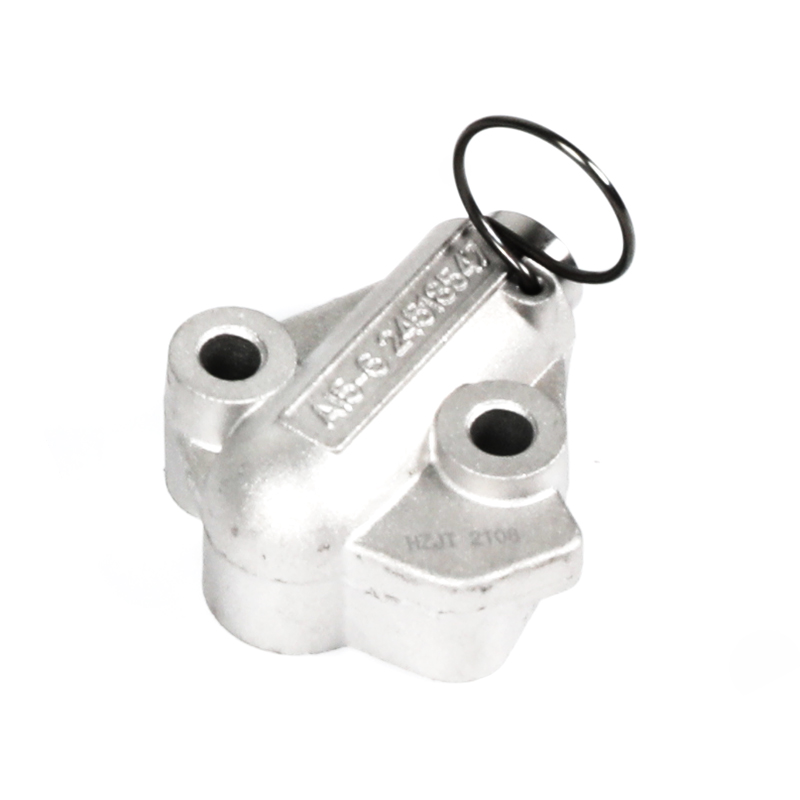
Universal timing chain tensioner 0111
Category: Universal timing chain tensioner
-
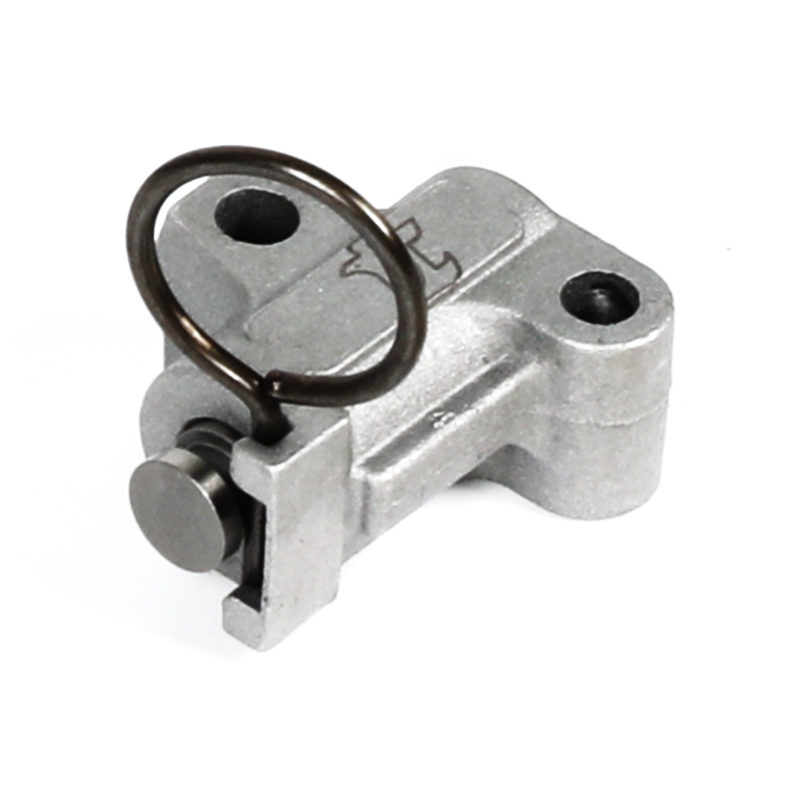
Universal timing chain tensioner 0112
Category: Universal timing chain tensioner
-
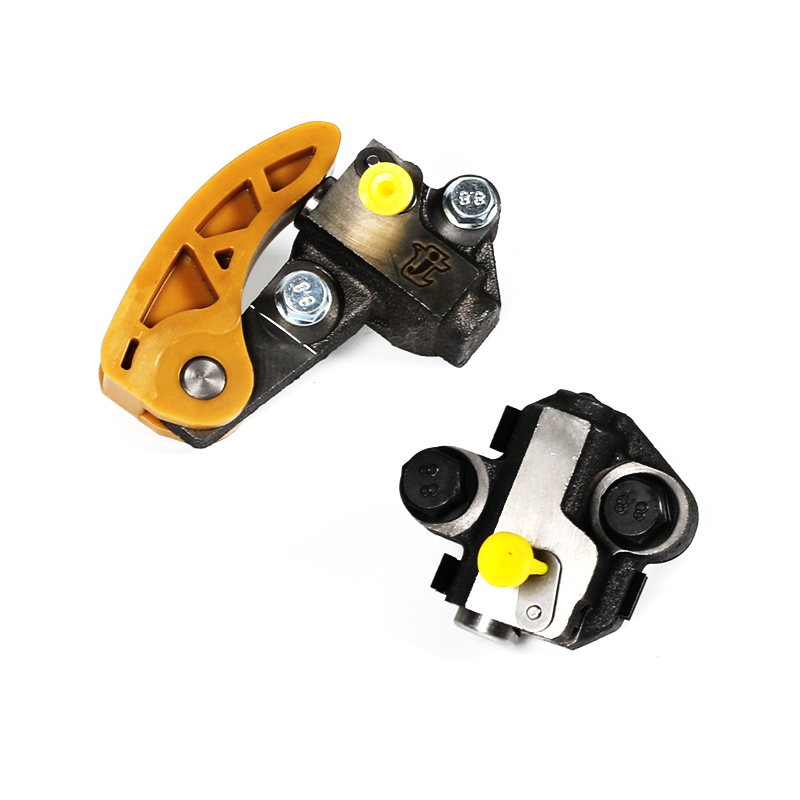
Universal timing chain tensioner 0113
Category: Universal timing chain tensioner
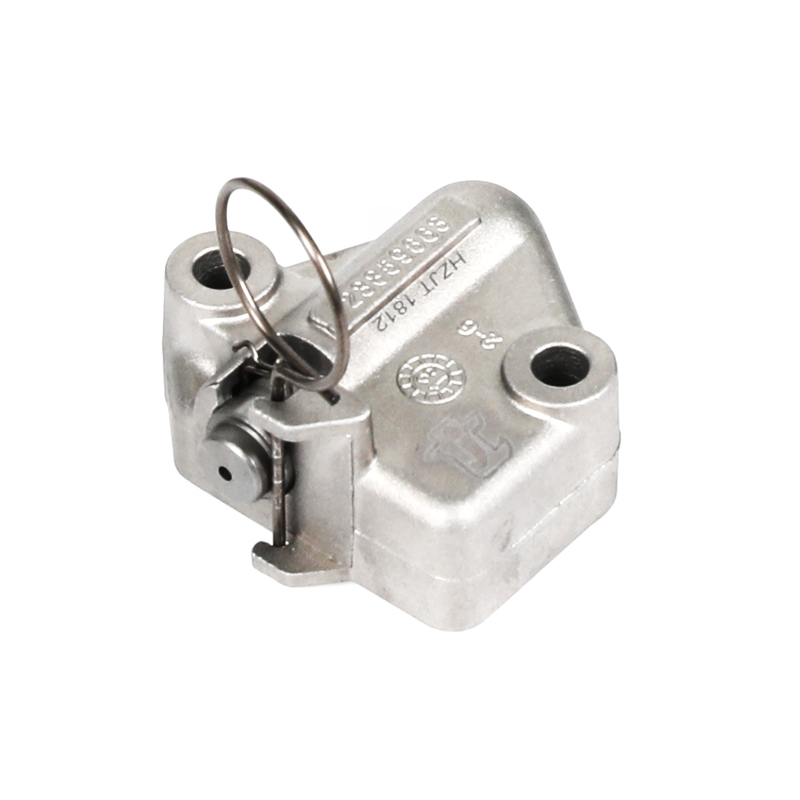
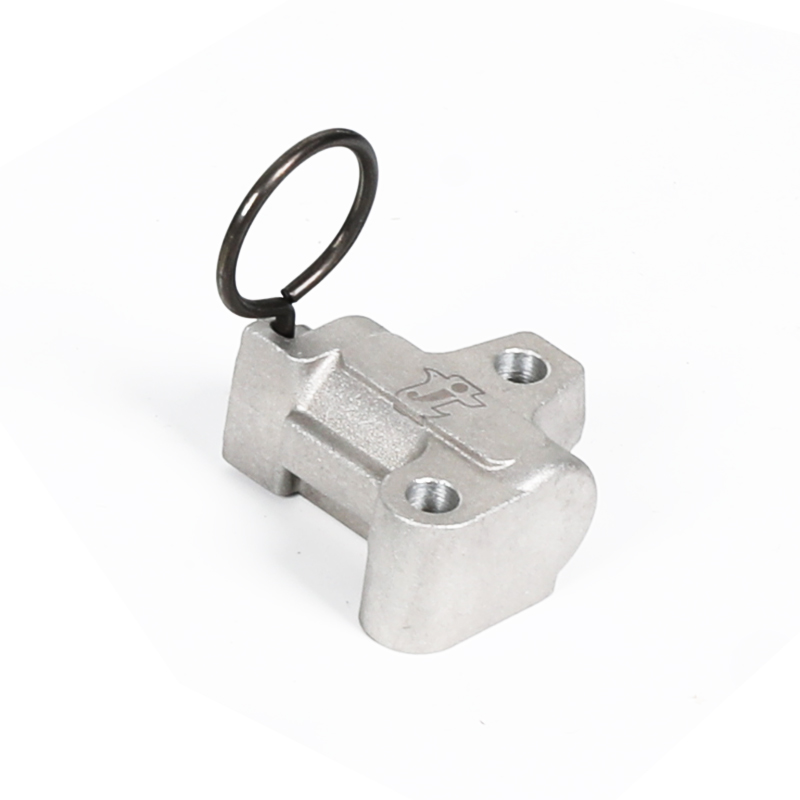
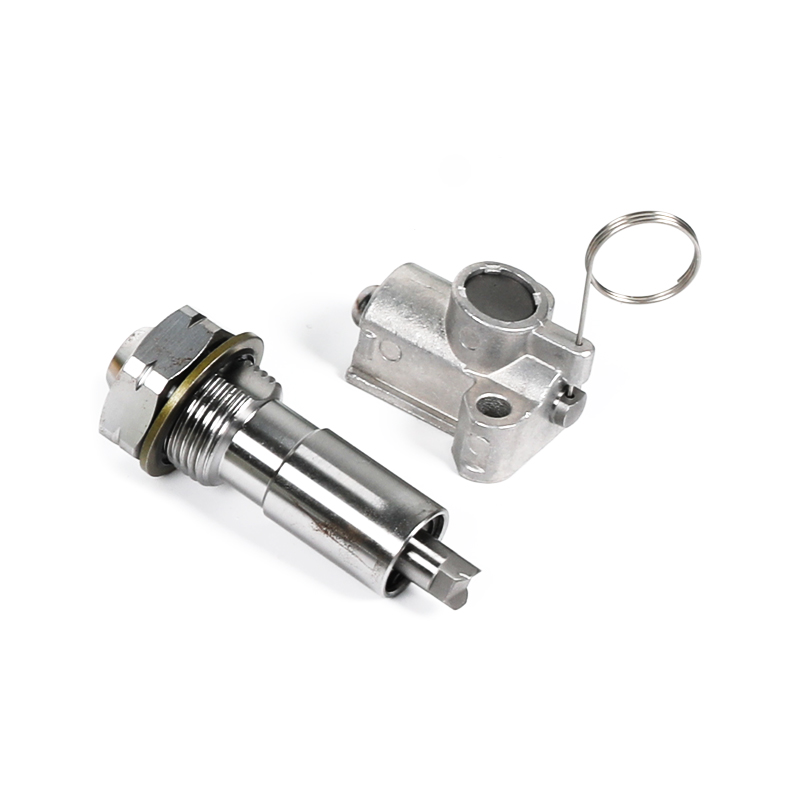
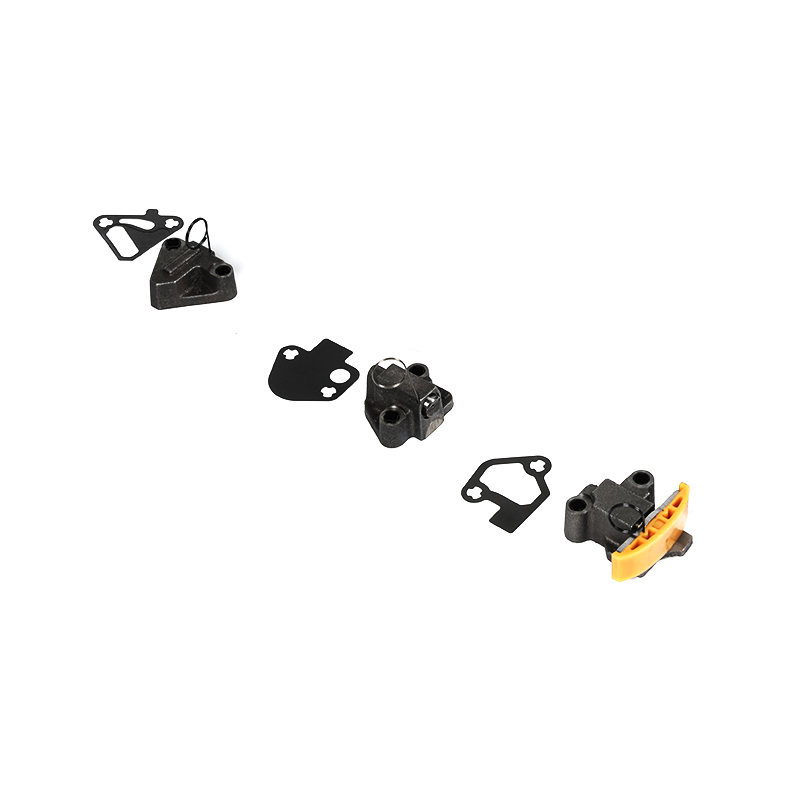
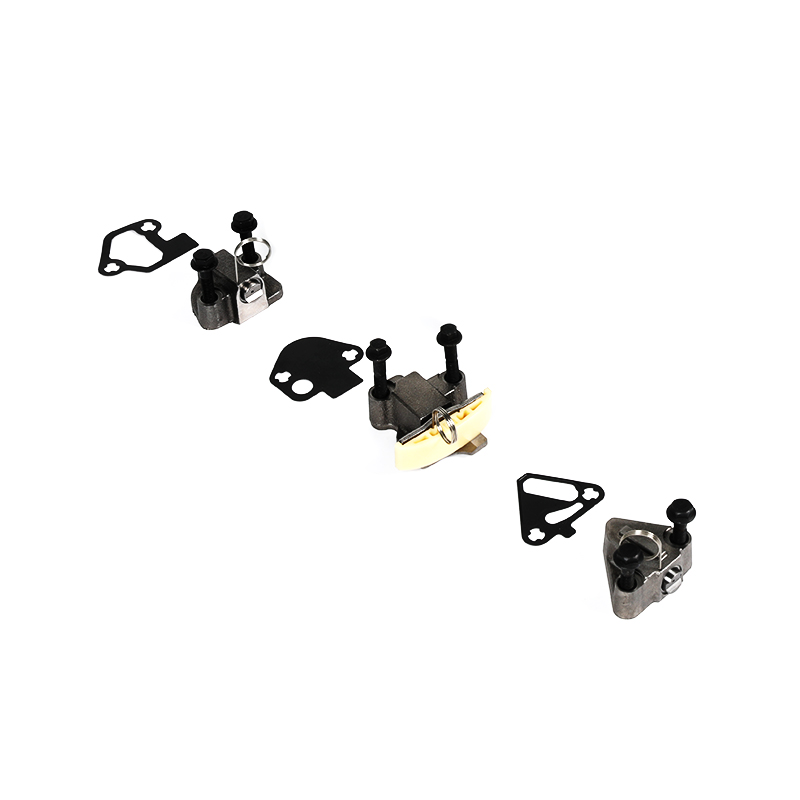
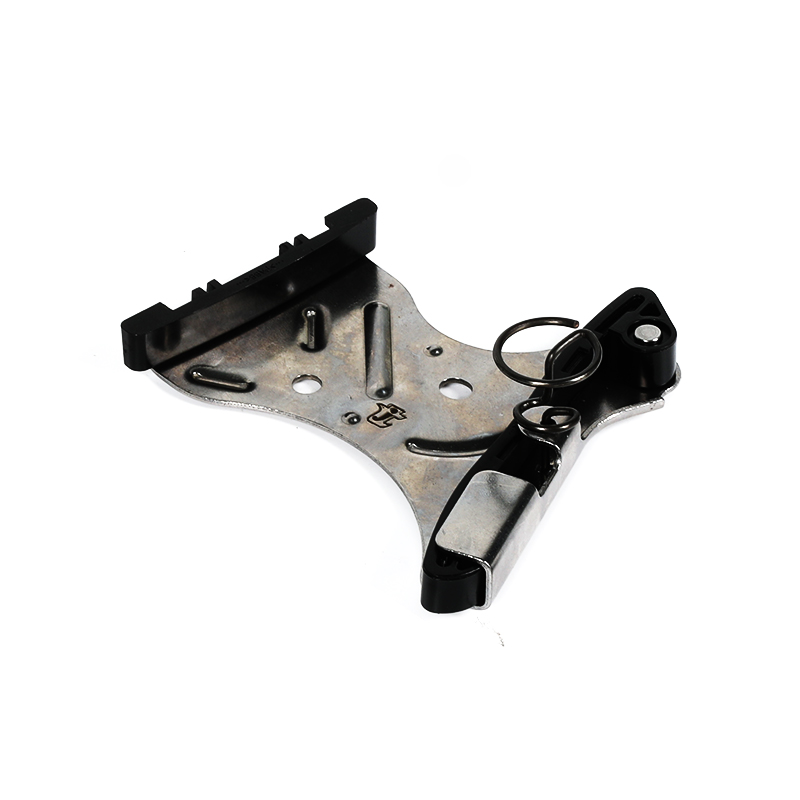
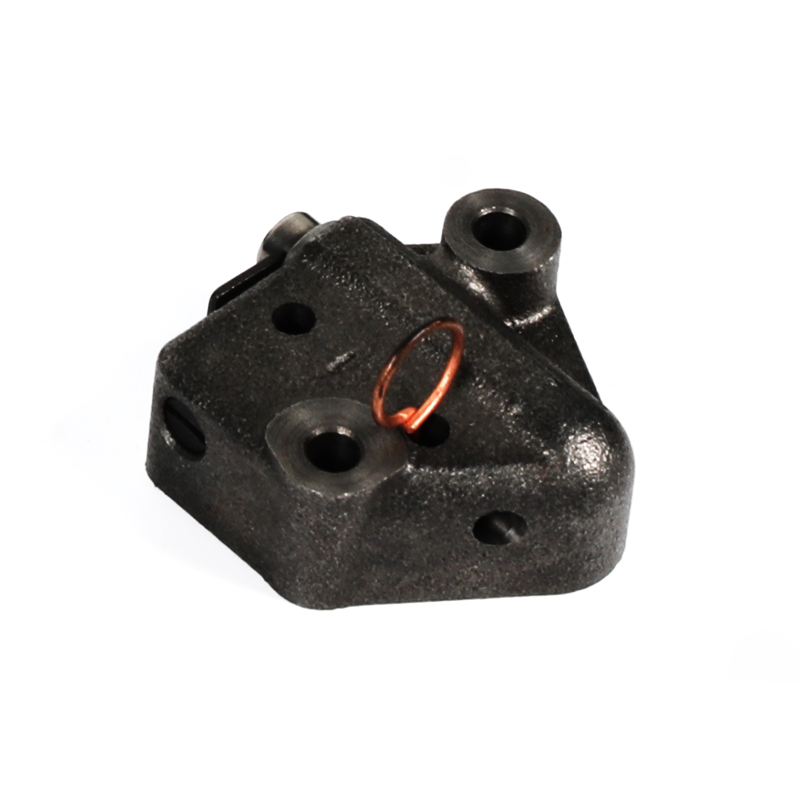
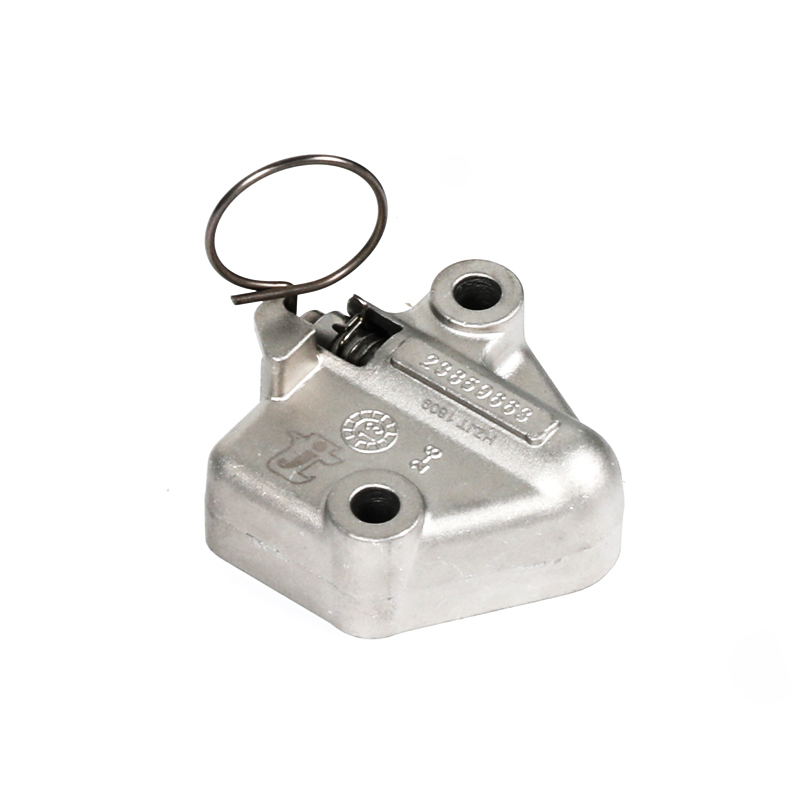
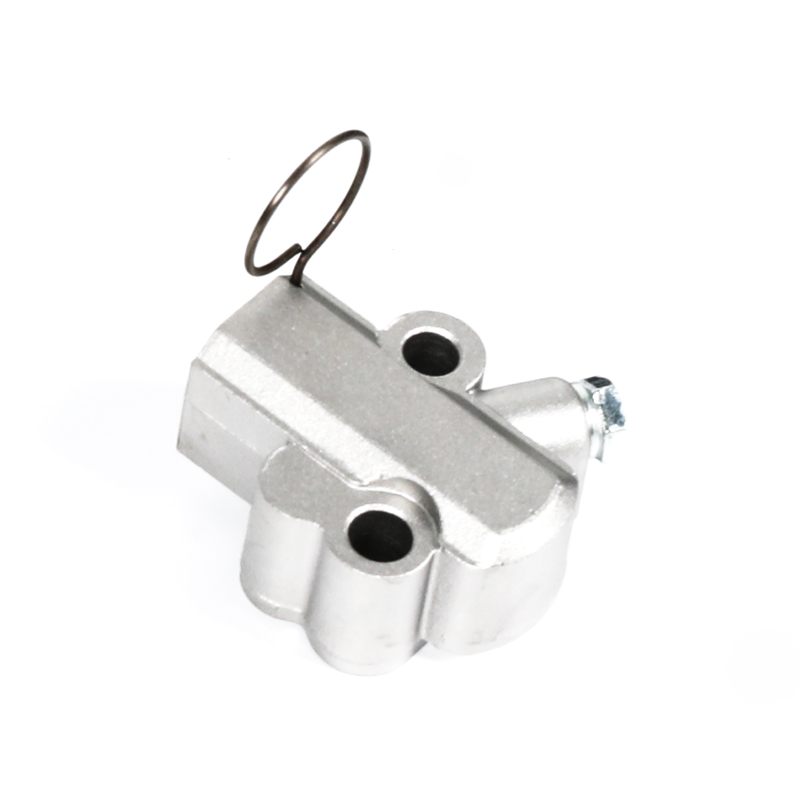
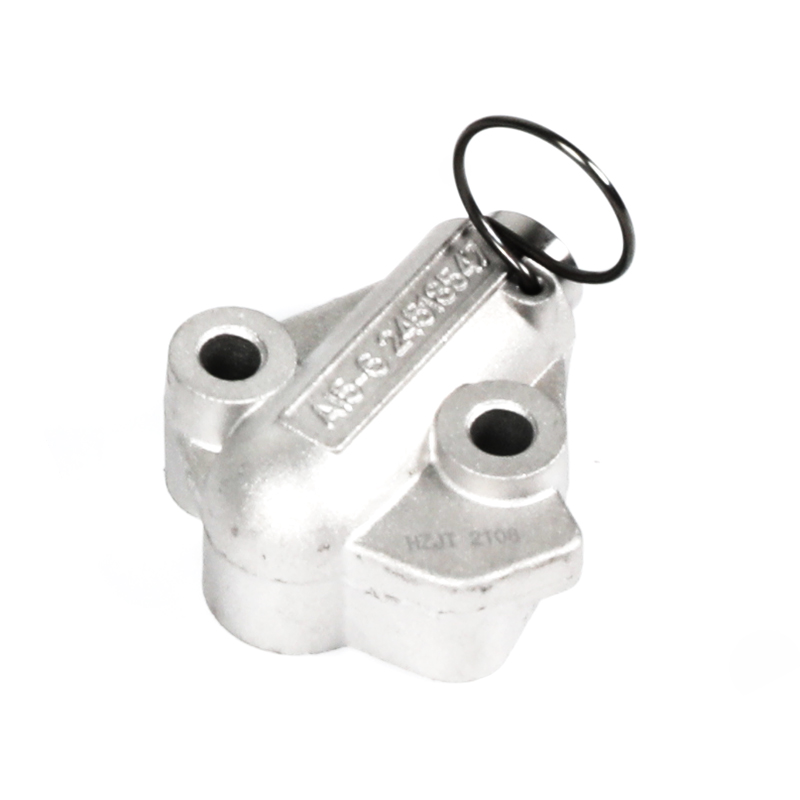
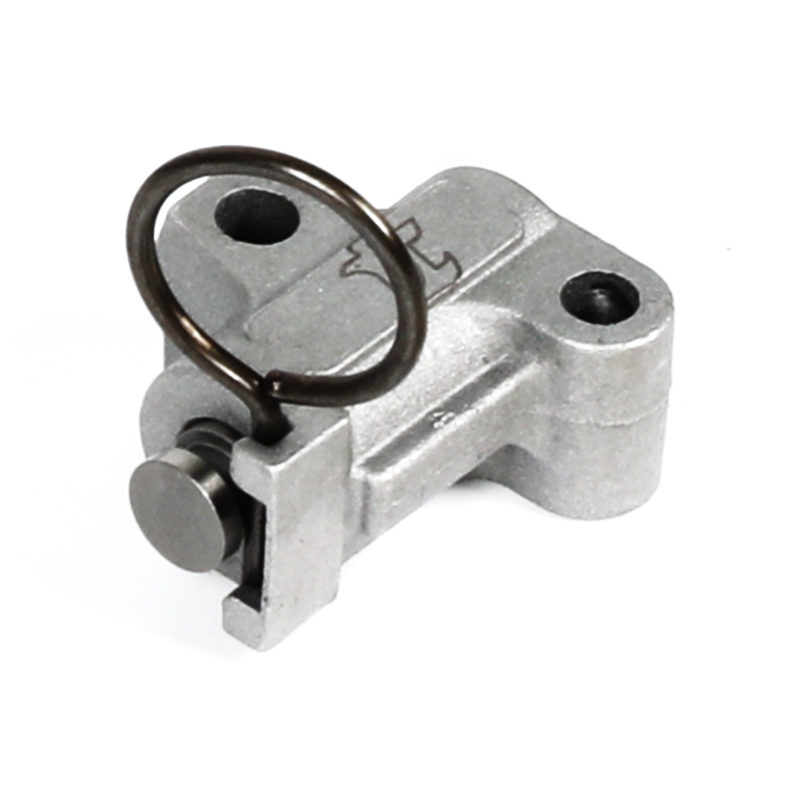
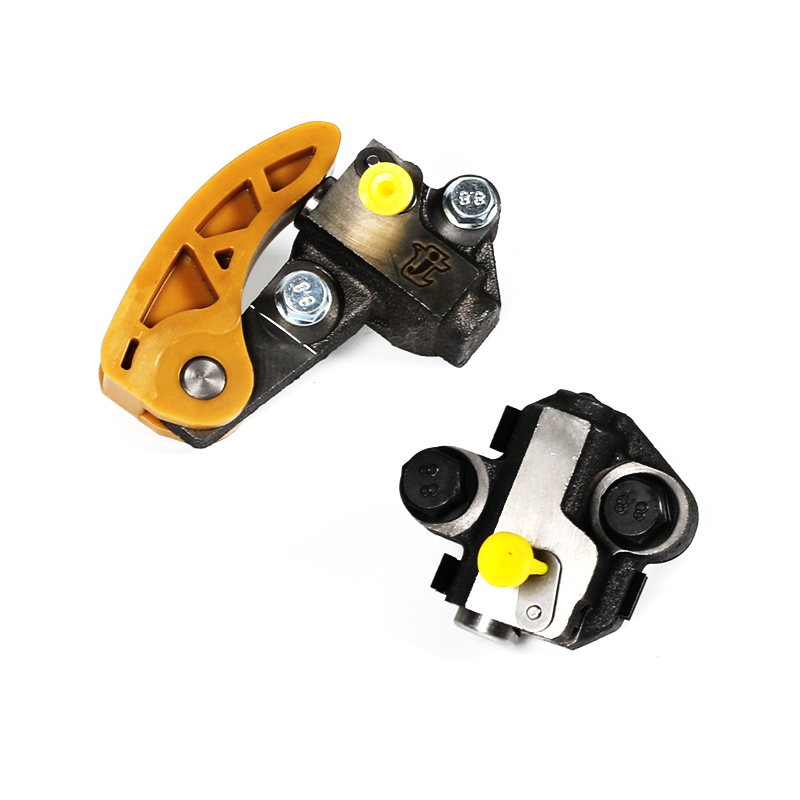
Car Engine Universal timing chain tensioner Suppliers
Huzhou Jingtong Auto Parts Manufacturing Co., Ltd is China
car engine Universal timing chain tensioner suppliers and OEM
car engine Universal timing chain tensioner company. We focus on auto engine timing chain kits, including timing chains, tensioners, guides, and gears. Our products are used for auto engine timing system parts. We have two our own manufacturing factory, we also have our own international sales department. we produce and sell all by ourselves. We will reply to you within 12 hours of the working day.
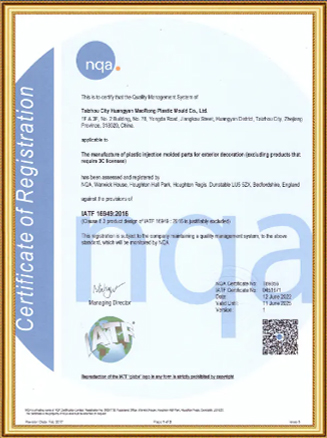
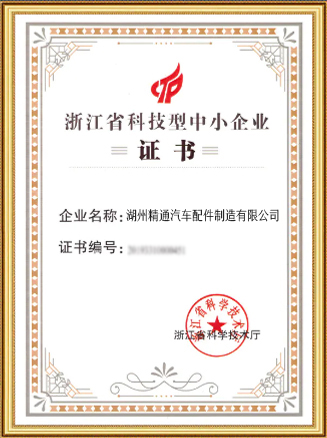
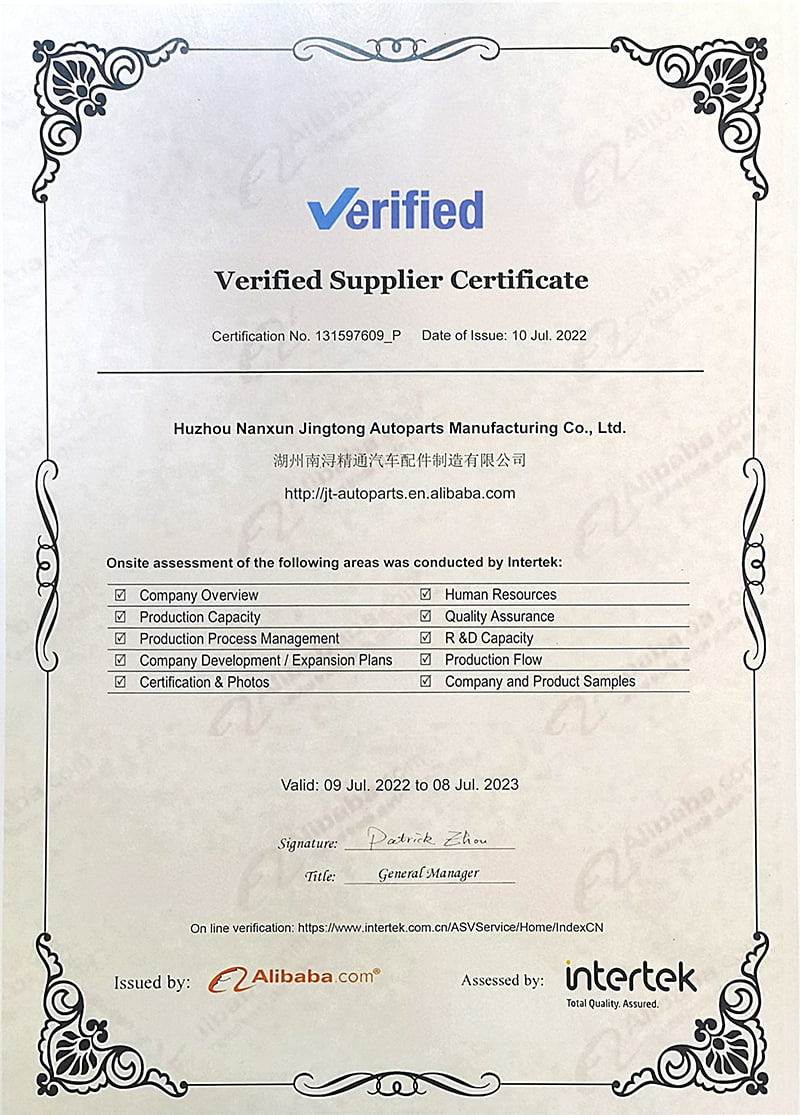
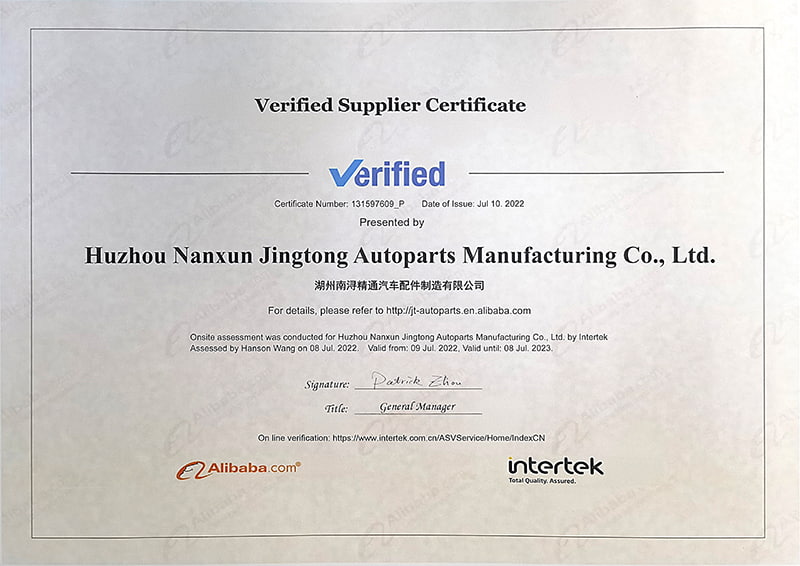
Honor & Certificate
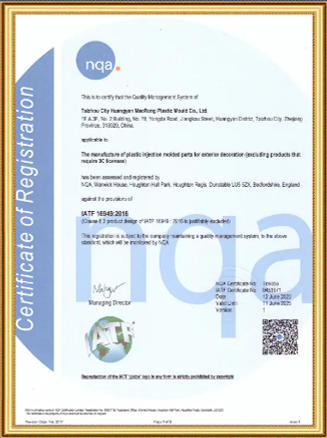
GB/T14212-2003 Certificates
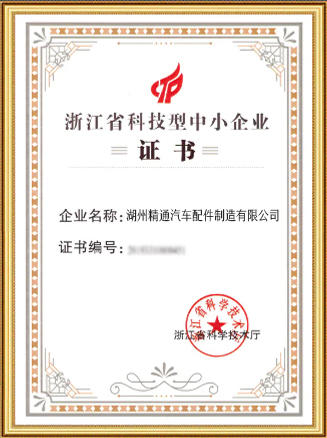
JB/T10348-200 Standard
GB/T14212-2003 Certificates
JB/T10348-200 Standard
GB/T14212-2003 Certificates
JB/T10348-200 Standard
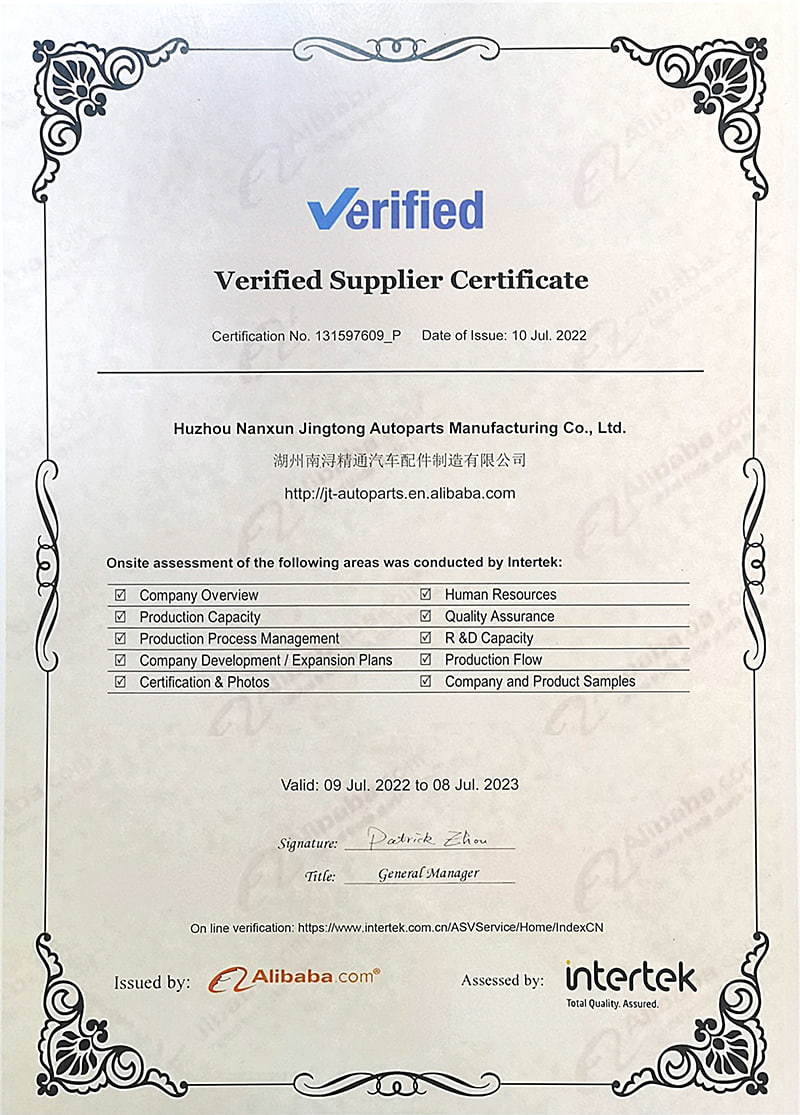
Certificates
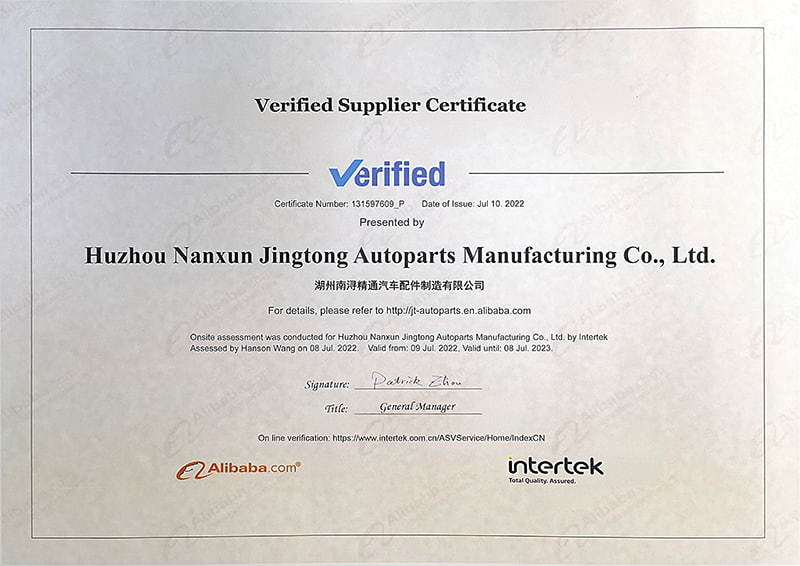
Certificates

Lastest News
-
 May 02, 2024
 By admin
How does the new timing chain tensioner perform in terms of durability?
When we look at the durability performance of the new timing chain tensioner, the first thing to consider is the design and material composition of th...
View More >> -
Apr 25, 2024
By admin
Striking the Balance: Considerations in Designing and Selecting Car Engine Timing Chain Tensioners
Car Engine Timing Chain Tensioners, as vital components within an engine's timing system, undergo meticulous considerations in their design and select...
View More >> -
Apr 18, 2024
By admin
Unraveling the Impact of Car Engine Camshaft Phase Regulater: Enhancing Performance and Fuel Efficiency
In the realm of automotive engineering, the Car Engine Camshaft Phase Regulator stands as a pivotal component, wielding significant influence over eng...
View More >> -
Apr 11, 2024
By admin
Enhancing Energy Efficiency in Electric Vehicles with Timing Chain Sprockets
As the world shifts towards sustainable transportation solutions, electric vehicles (EVs) have emerged as a promising alternative to traditional inter...
View More >>
INDUSTRY KNOWLEDGE

-

No.99,Chuangyuan Road,Gaodun Village, Shimen Town, Tongxiang City, Zhejiang Province,China
-

+86-19957389130 / +86-573-88680799
-

www.jt-autoparts.com
-

