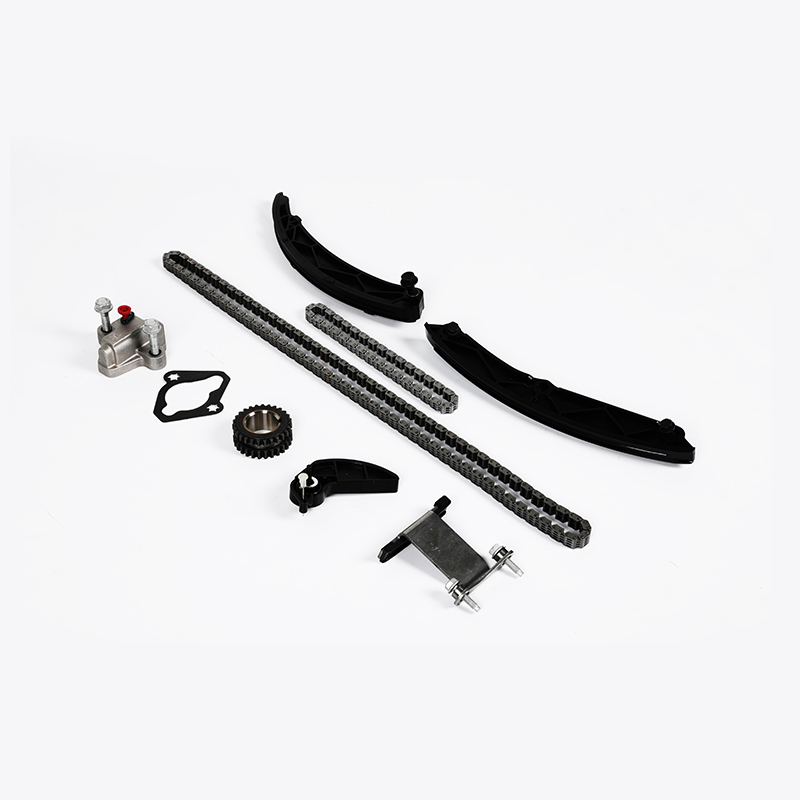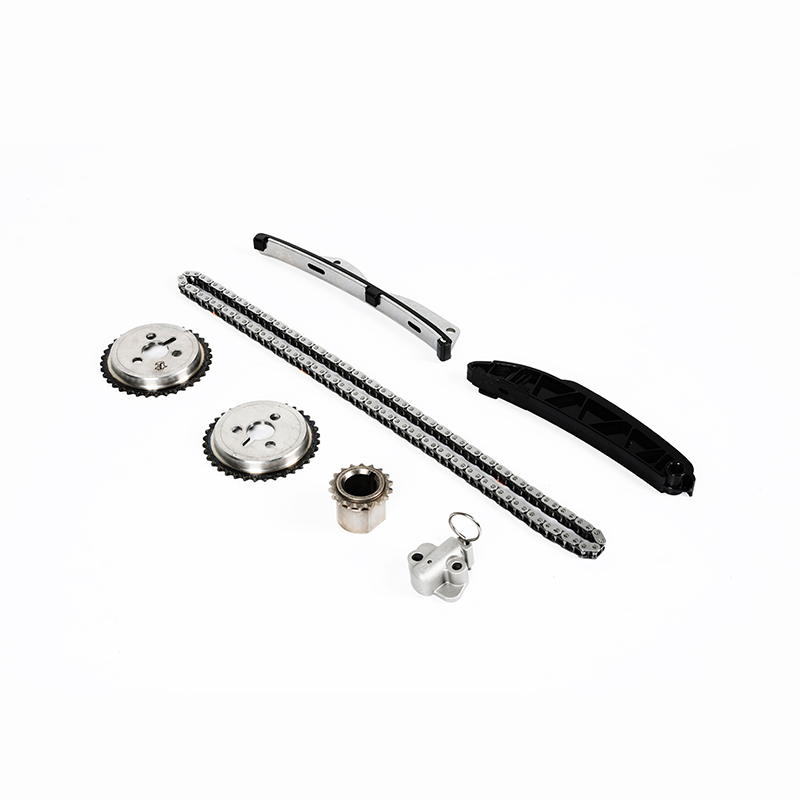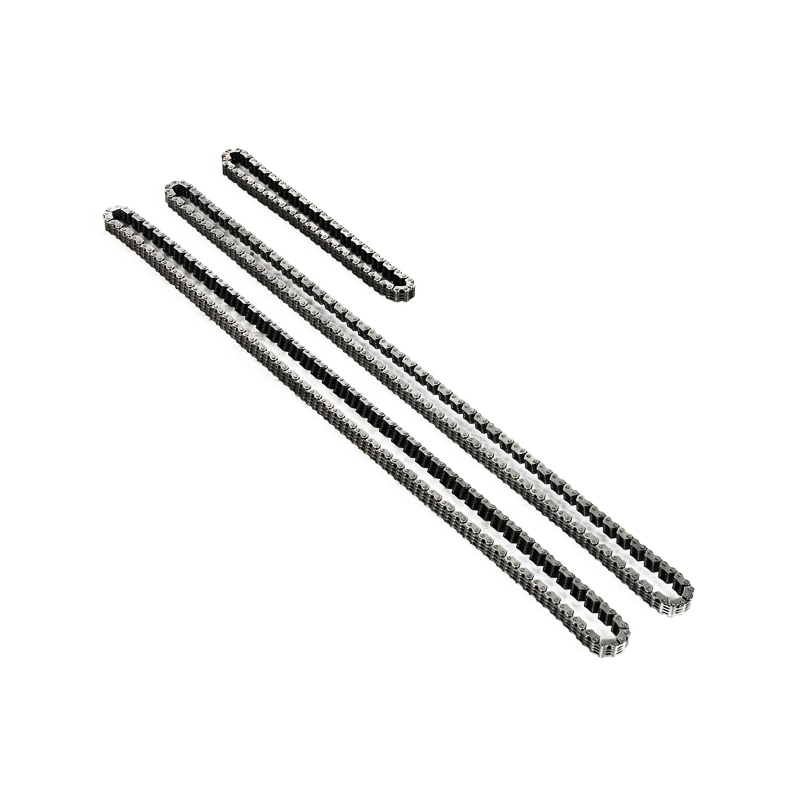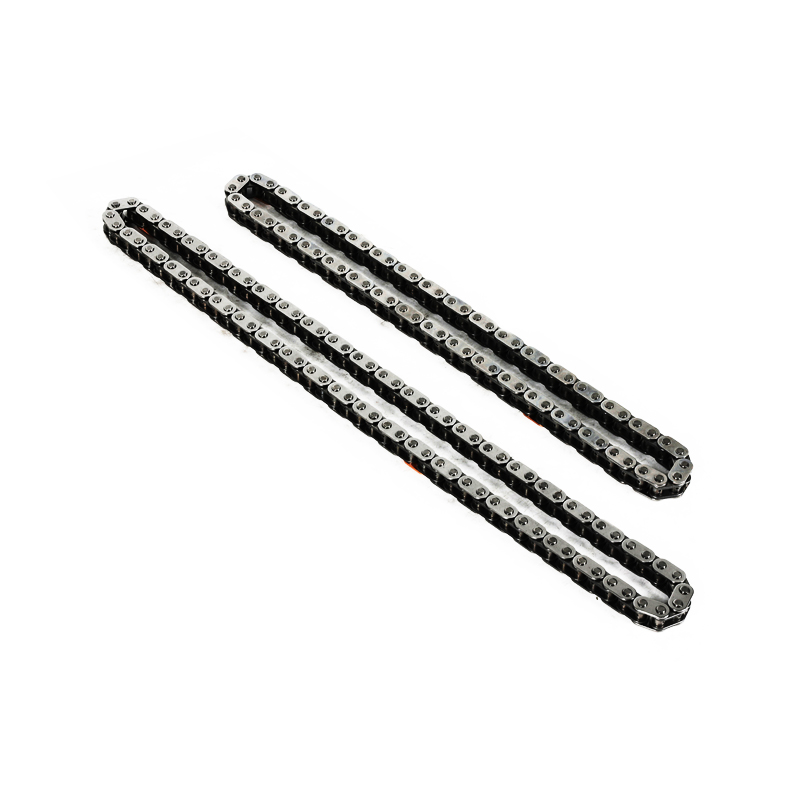
Introduction The crankshaft timing sprocket is a critical component within an engine's timing chain system. It ensures t...
View More >>Replacing a Ford timing chain kit represents a significant investment in your vehicle's longevity and performance, but t...
View More >>The Ford timing chain kit is a critical assembly ensuring synchronized engine operation. Variations across Ford models—s...
View More >>Facing a Ford timing chain kit replacement is a significant decision for any vehicle owner. The heart of the matter ofte...
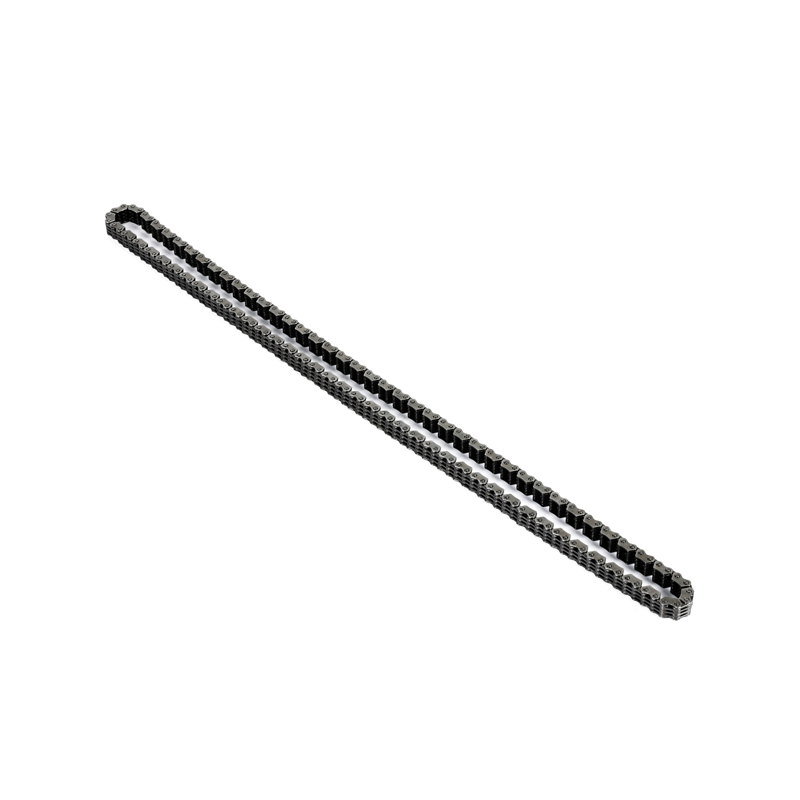
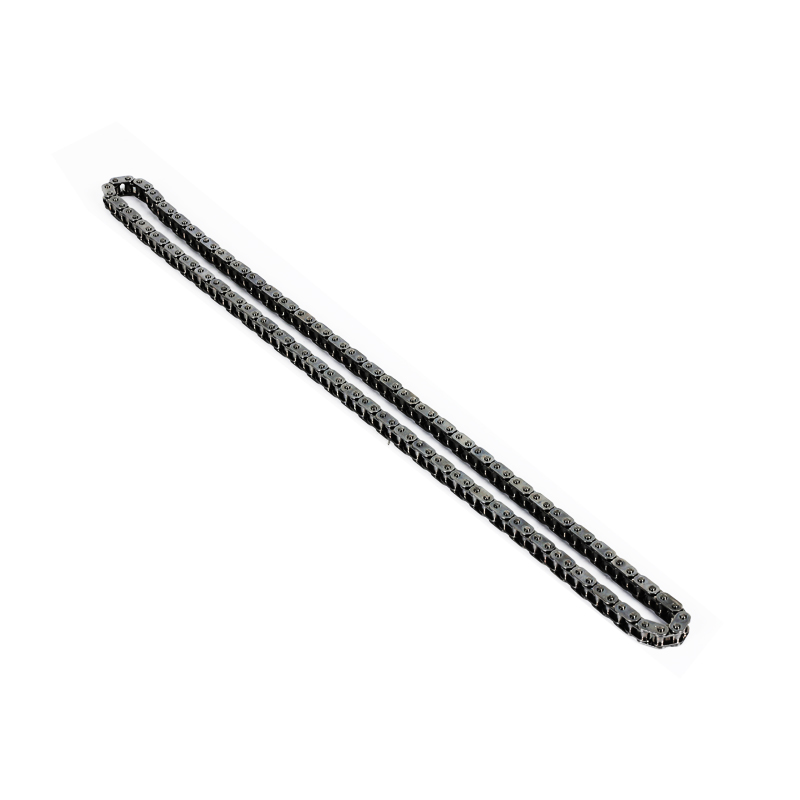
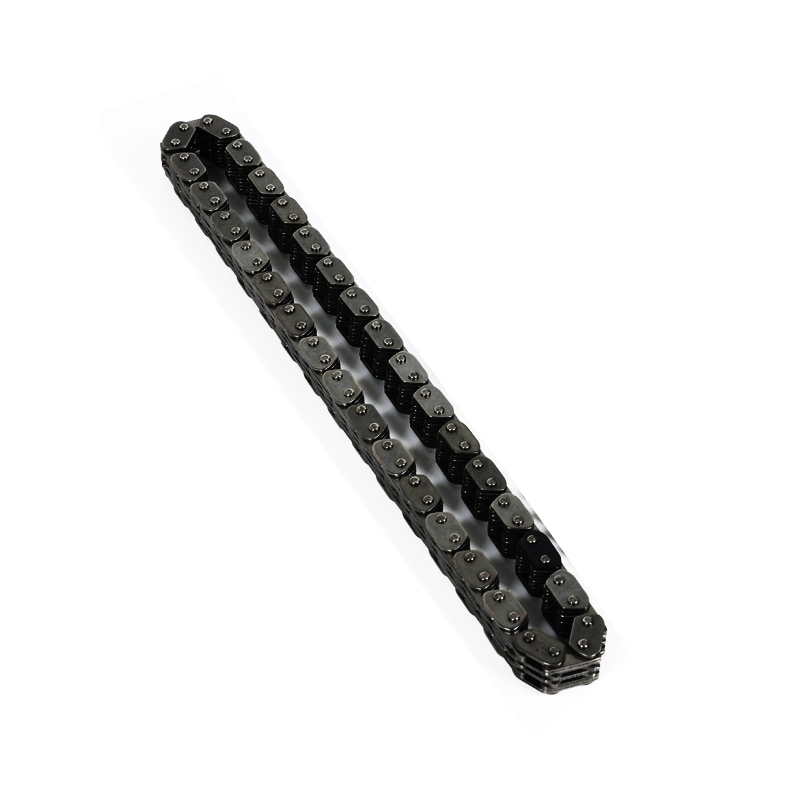
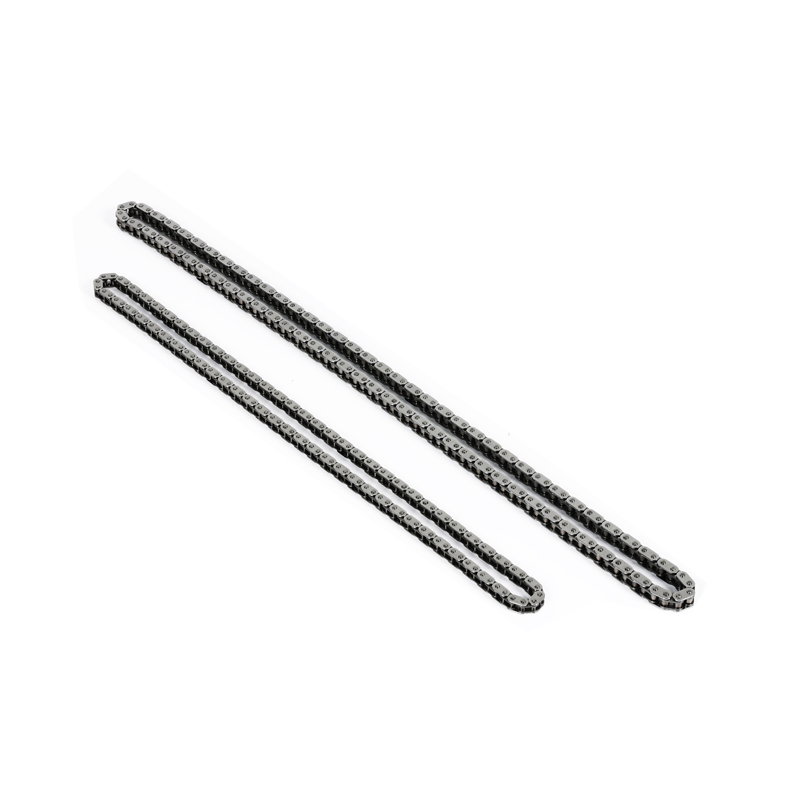
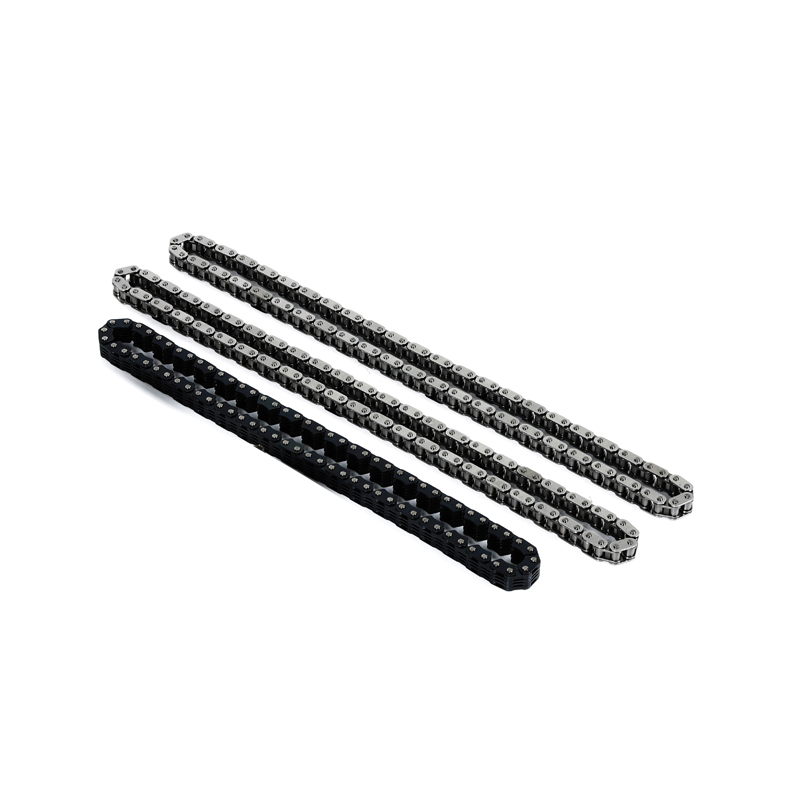
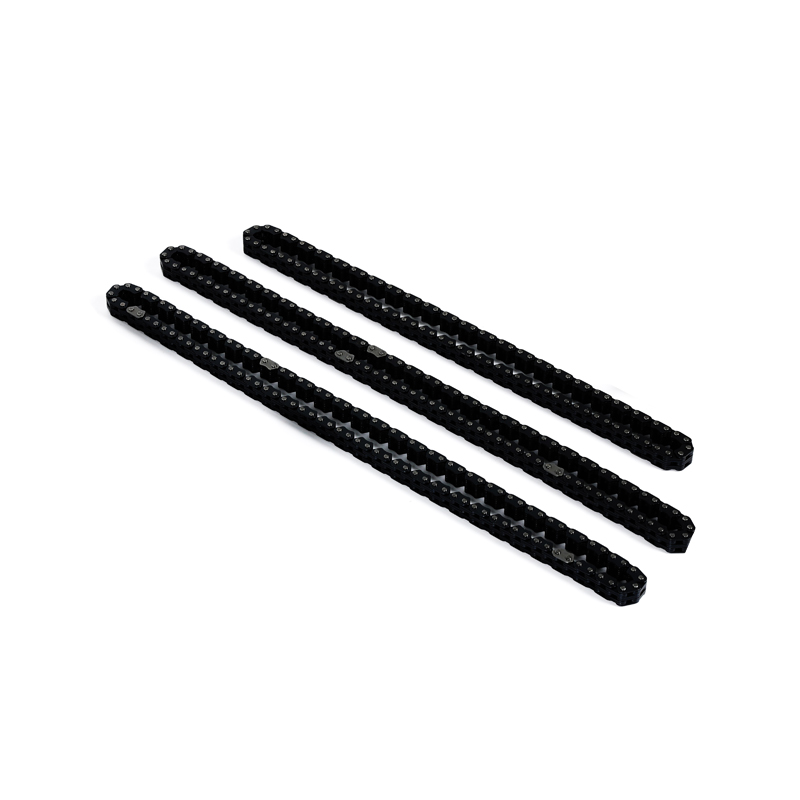
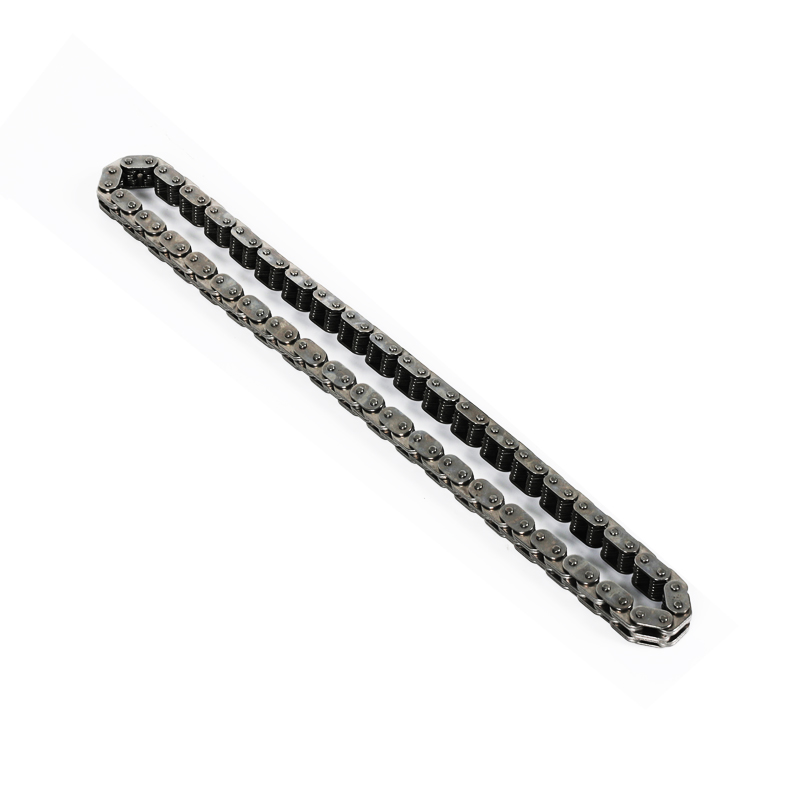
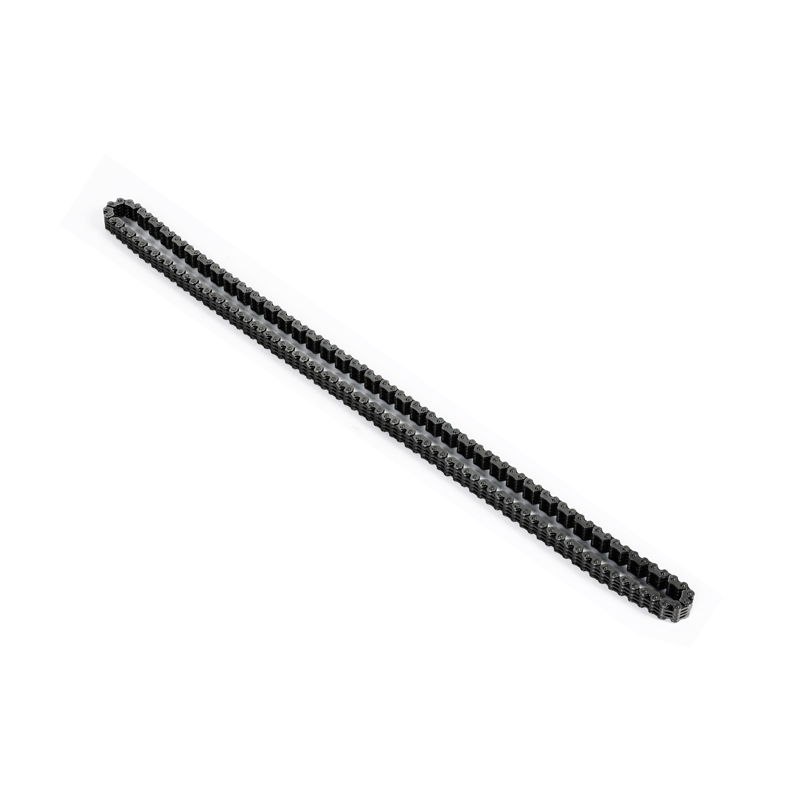
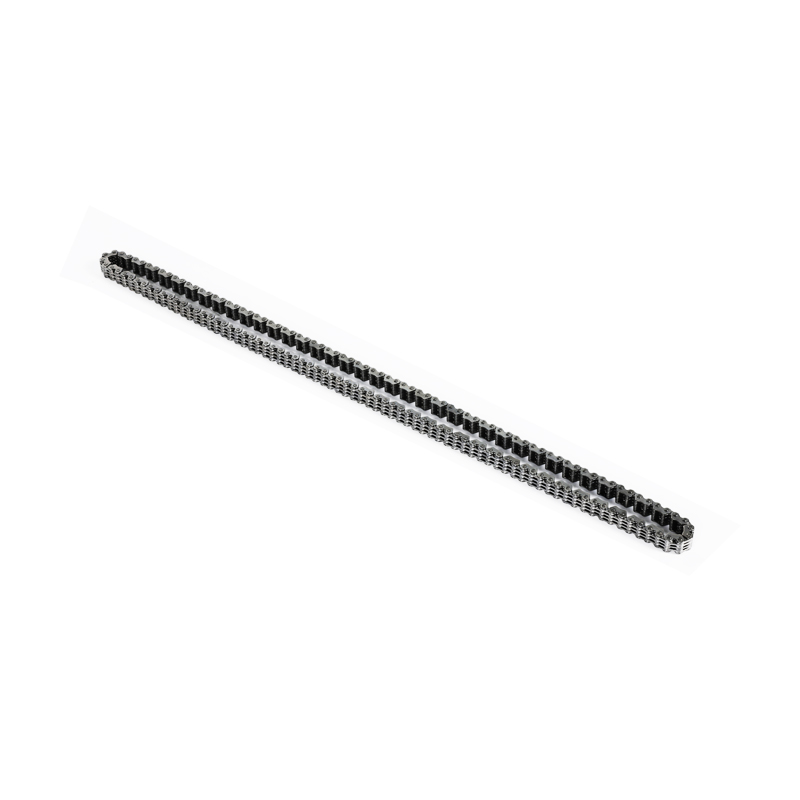
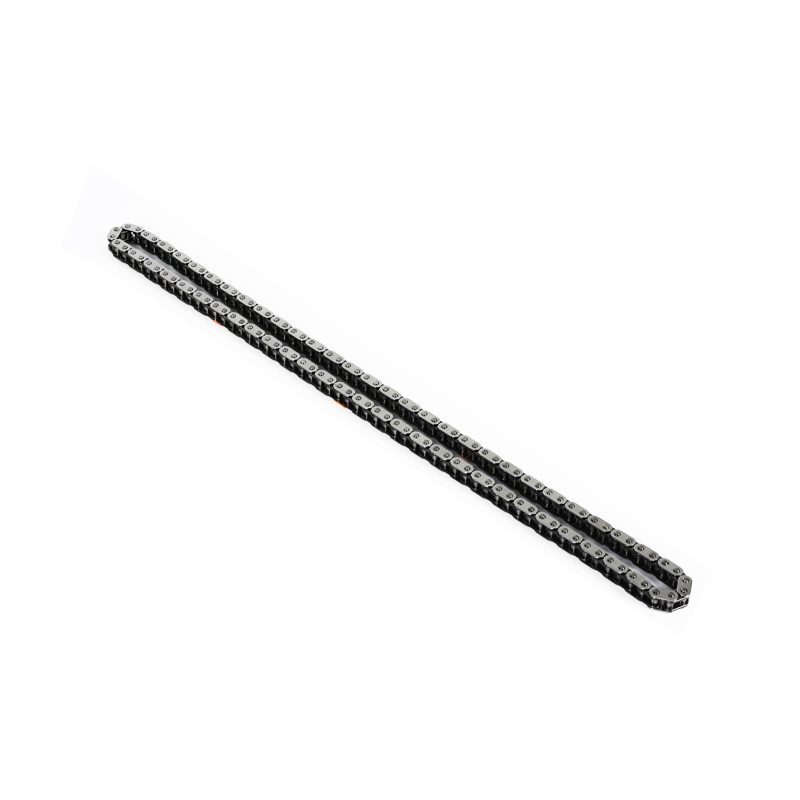
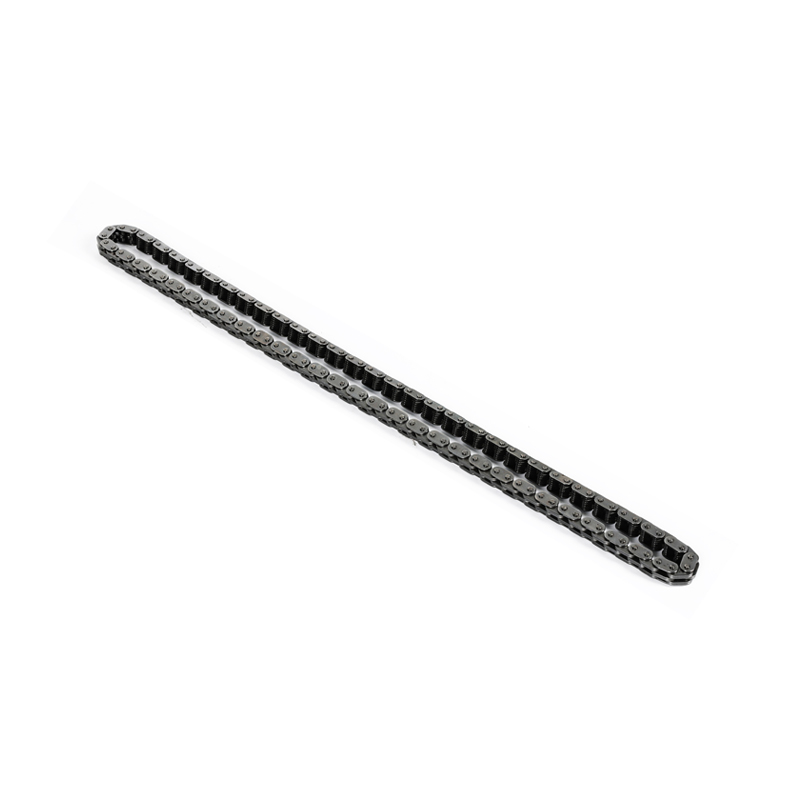
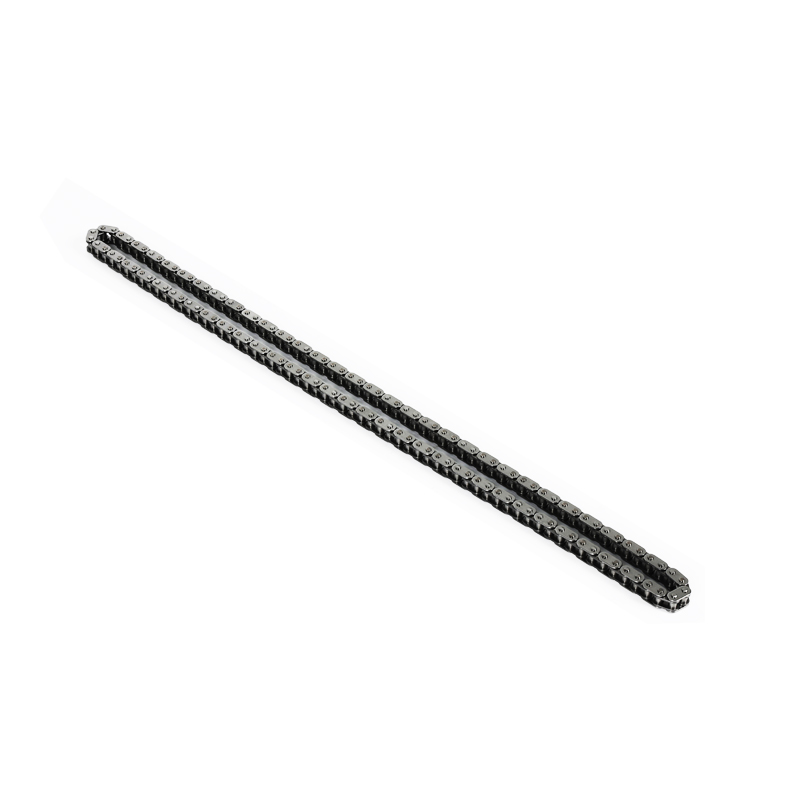
View More >>A car engine universal timing chain is designed to last the lifetime of your vehicle, but premature failures can still happen due to several factors. Understanding these causes can help you avoid costly timing chain replacement and engine damage.
Poor Lubrication (Oil Issues)
Low oil levels or dirty oil can cause excessive wear on the timing chain tensioner and guides.
Synthetic oil with proper viscosity (e.g., 5W-30 or 0W-20) is recommended for optimal timing chain durability.
Faulty Timing Chain Tensioner
A worn-out or hydraulic tensioner failure leads to slack, causing timing chain noise (rattling) and misalignment.
Some universal timing chain kits include upgraded tensioners for better longevity.
Weak or Stretched Chain
Over time, even high-quality car engine timing chains can stretch beyond manufacturer specs (typically >0.5% elongation means replacement).
Aftermarket heavy-duty timing chains (like those from Iwis or Cloyes) offer better resistance to stretching.
Defective Guides & Sprockets
Plastic guides can crack, while worn sprockets cause timing chain slippage, leading to engine misfires.
Look for timing chain kits with metal-reinforced guides for improved reliability.
Improper Installation
Incorrect timing chain alignment during installation can accelerate wear. Always follow torque specs (e.g., 20-25 ft-lbs for tensioner bolts).
Prevention Tips
Use high-quality synthetic oil and change it regularly (every 5,000-7,500 miles).
Listen for engine rattling at startup—a sign of timing chain wear.
Opt for OE-equivalent or performance timing chain kits during replacements.
FAQ: Car Engine Universal Timing Chain
Q1: How long does a universal timing chain last?
A: Typically 150,000–200,000 miles, but depends on maintenance and oil quality.
Q2: Can I drive with a noisy timing chain?
A: Not recommended—rattling indicates wear, risking engine interference damage.
Q3: Are timing chains better than belts?
A: Yes, chains last longer but require proper lubrication; belts need replacement every 60k–100k miles.