
 English
 русский
 عربى
 Español
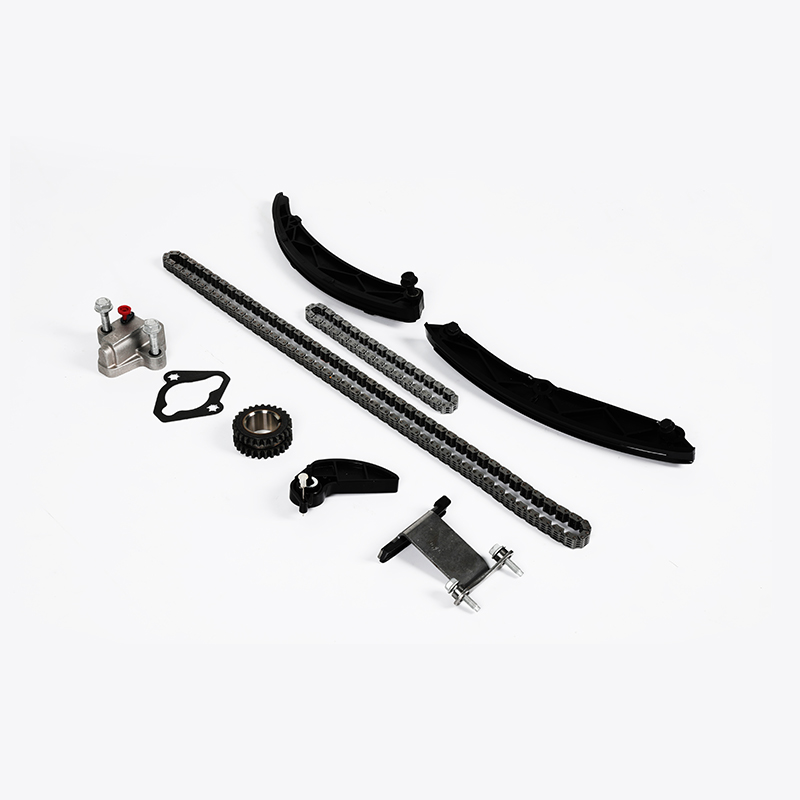
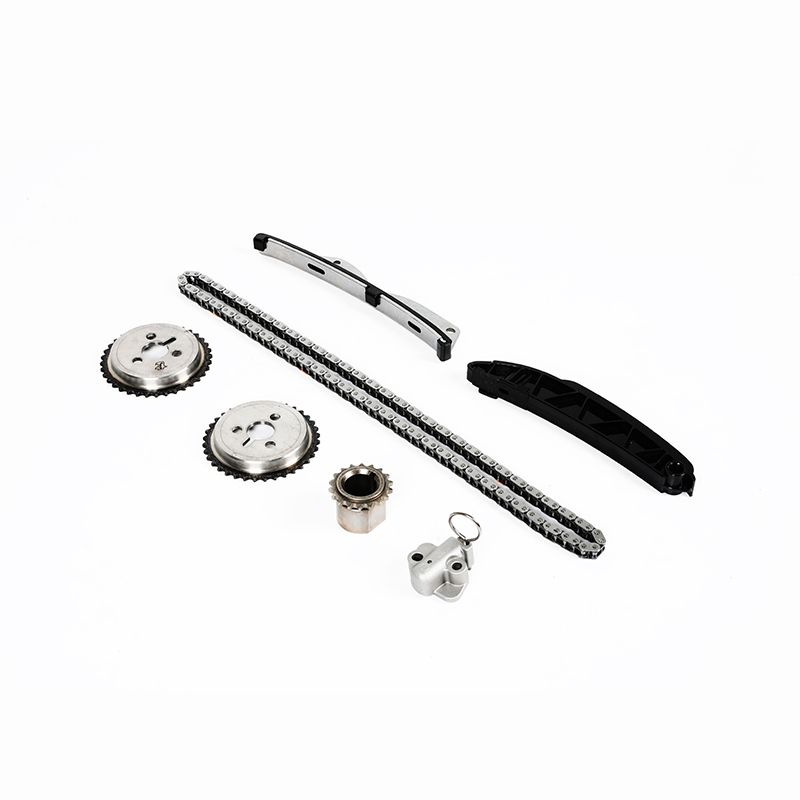
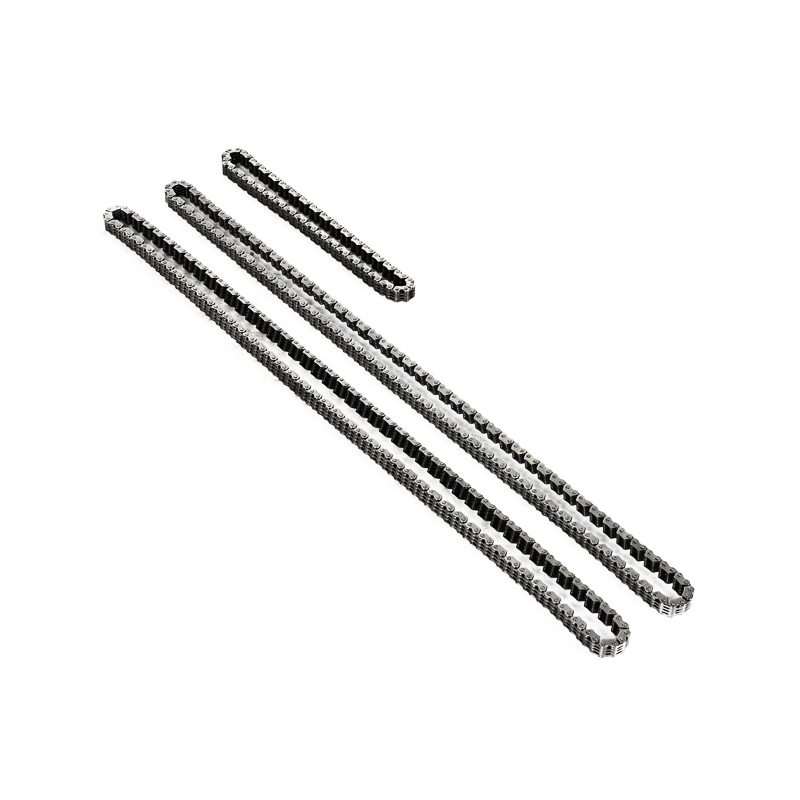
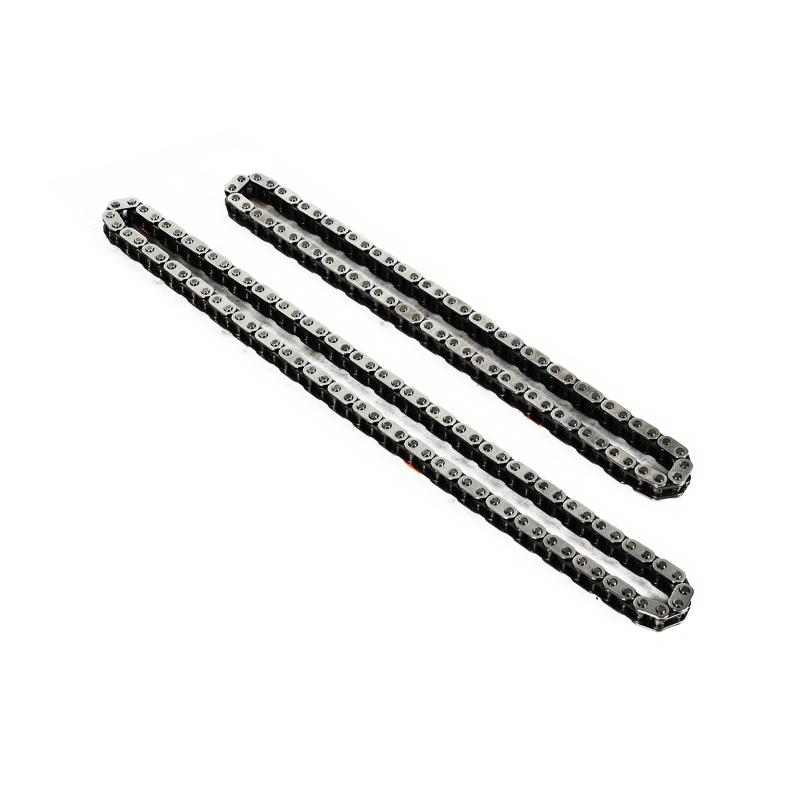
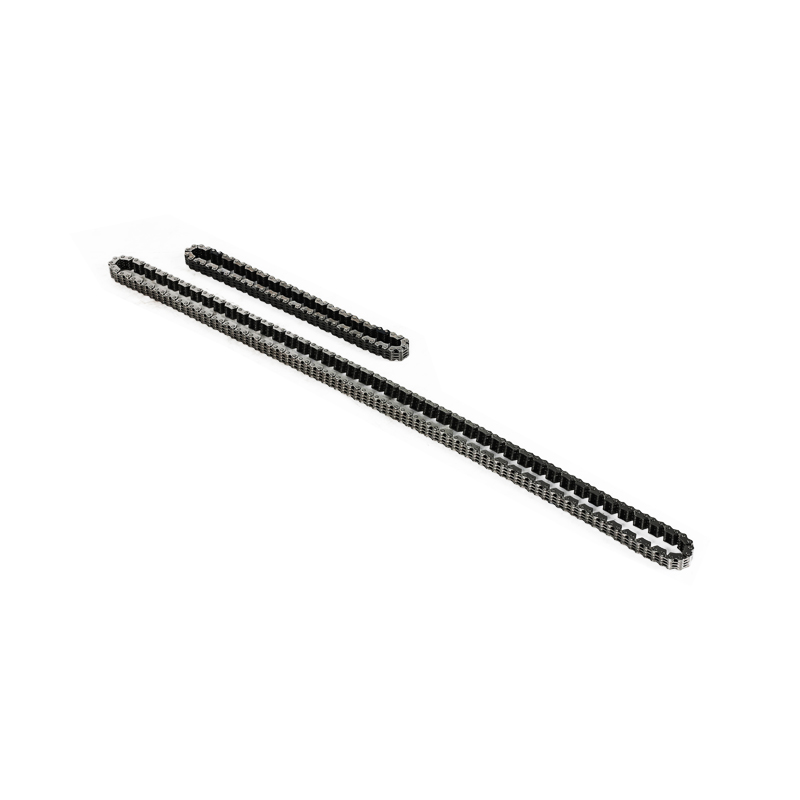
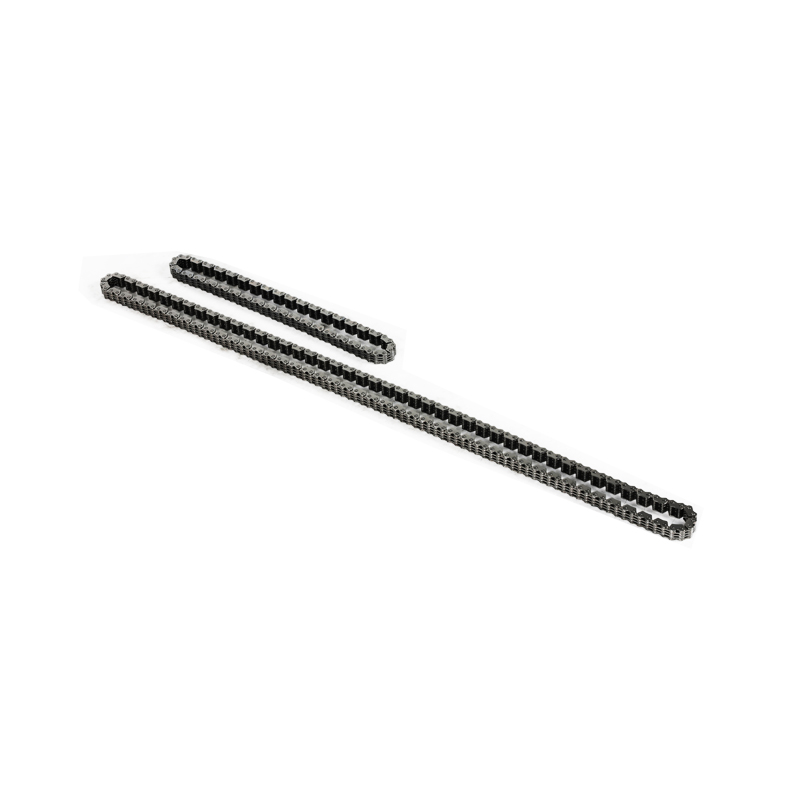
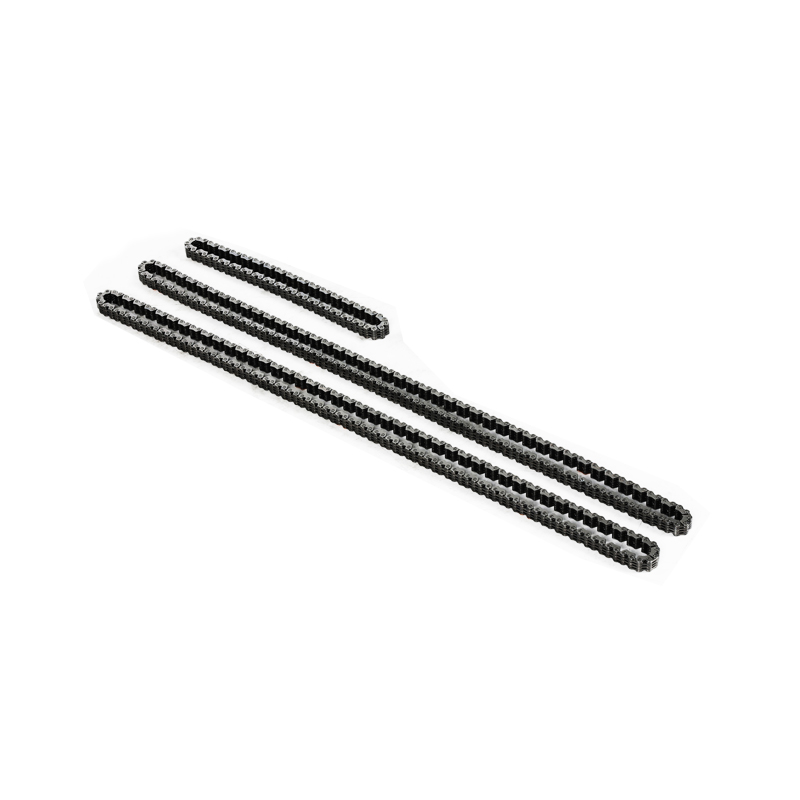
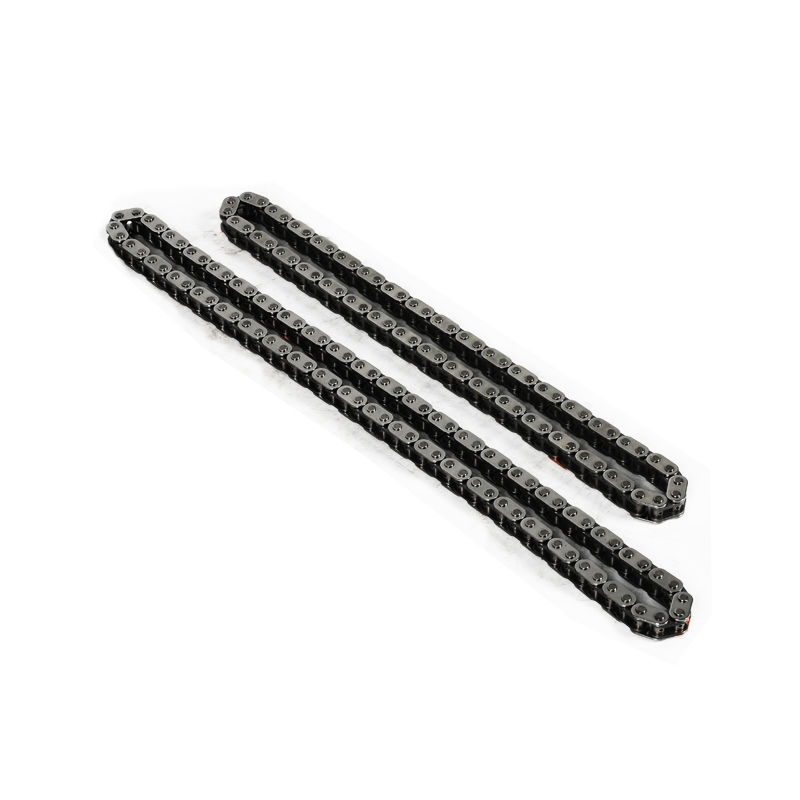
Hyundai timing chain 1001
Category: Hyundai timing chain
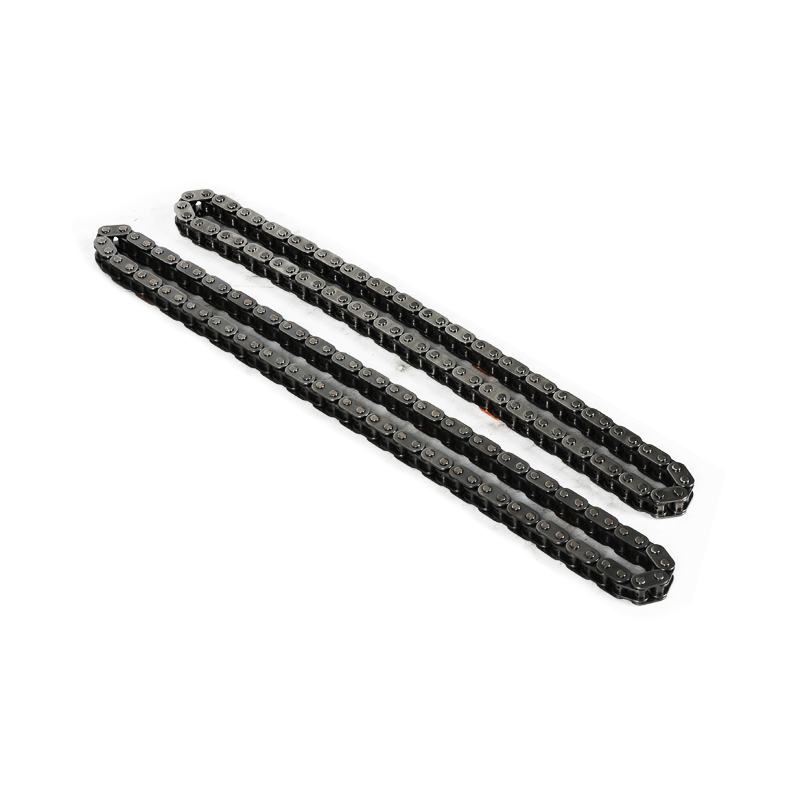
Category: Hyundai timing chain
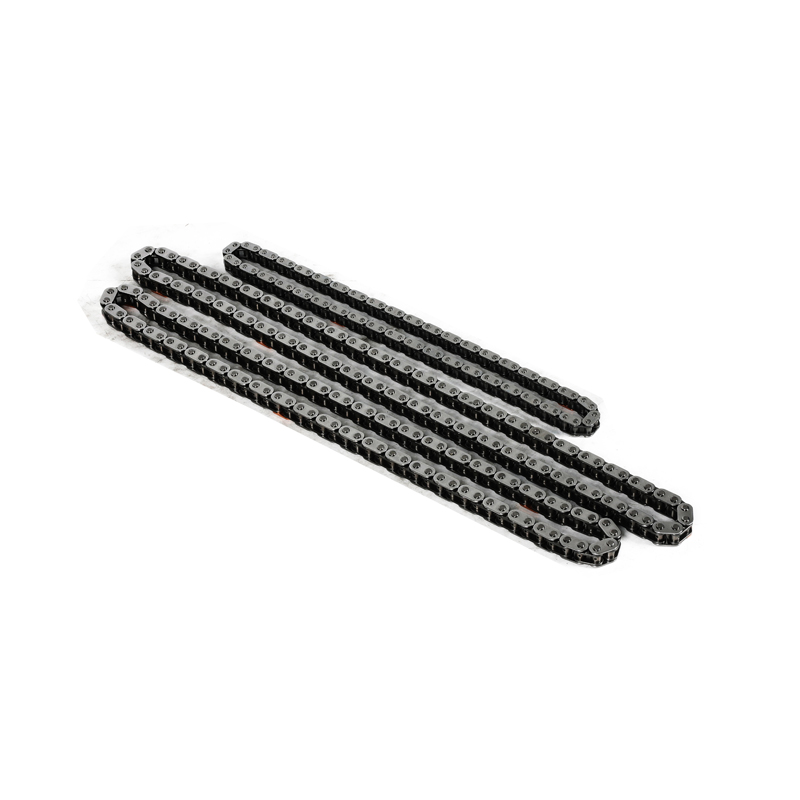
Category: Hyundai timing chain
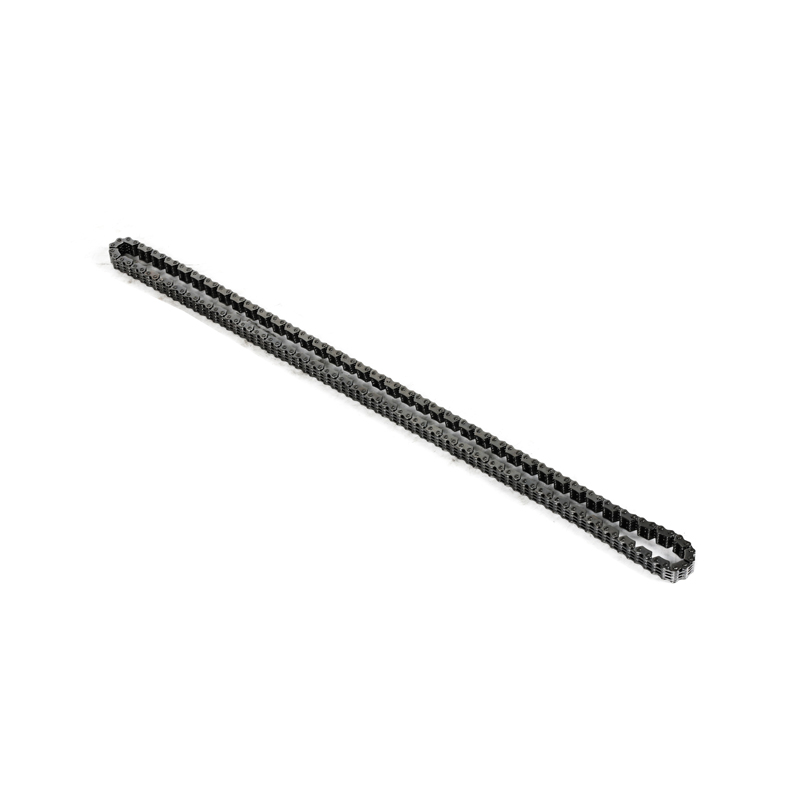
Category: Hyundai timing chain
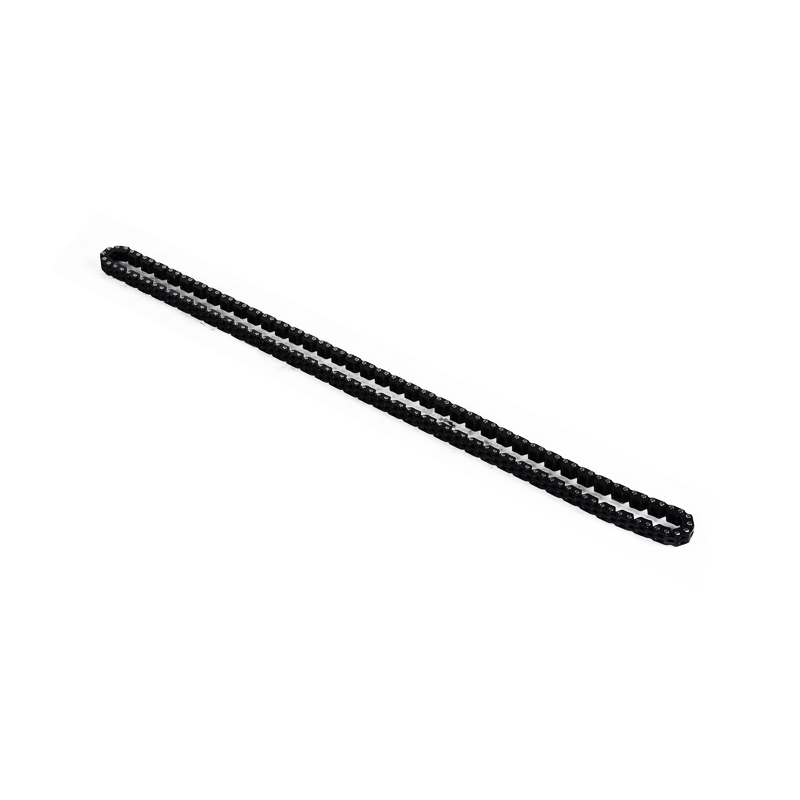
Category: Hyundai timing chain
Category: Hyundai timing chain
Category: Hyundai timing chain
Category: Hyundai timing chain
Category: Hyundai timing chain
Category: Hyundai timing chain
Category: Hyundai timing chain
Category: Hyundai timing chain
Category: Hyundai timing chain

 Nov 13, 2026
 By admin
Two engines reach the same workshop with the same complaint: rough idle and a camshaft correlation code. One is a 2016...
View More >> Nov 11, 2026
By admin
A timing sprocket is a precision-engineered component that synchronizes crankshaft and camshaft rotation through the t...
View More >> Nov 09, 2026
By admin
Exhibition News – Meet Us at Booth 3B63! Jiaxing Kenner Auto Parts Co., Ltd. is exhibiting this year, and we warmly inv...
View More >> Nov 06, 2026
By admin
A timing chain fitted onto a worn sprocket rarely reaches half the mileage of the drive it replaced. When a crankshaft...
View More >>Huzhou Nanxun Jingtong Auto Parts Manufacturing Co., Ltd. produces engine timing chain system components for Hyundai gasoline and diesel engines. Our Hyundai programme covers silent chains, tensioners, guides and sprockets, supplied as individual service parts or as complete kits for engine rebuilders, distributors and workshop chains.
We are a China-based manufacturer of automotive engine timing chain system parts, founded in 2013 and operating from Tongxiang, Zhejiang. Our Hyundai range is built around the components that keep camshaft and crankshaft phase stable: the chain itself, the hydraulic or mechanical tensioner, the guide rails and the sprockets. Each part is produced from high-carbon chromium alloy steel and processed in accordance with GB/T14212-2003 and JB/T10348-200 standards.
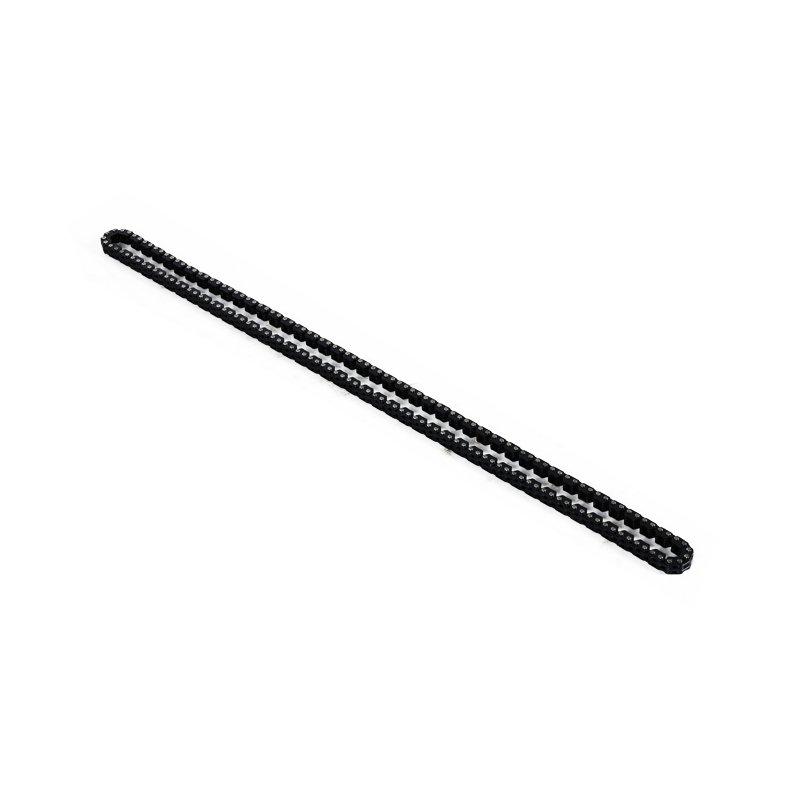
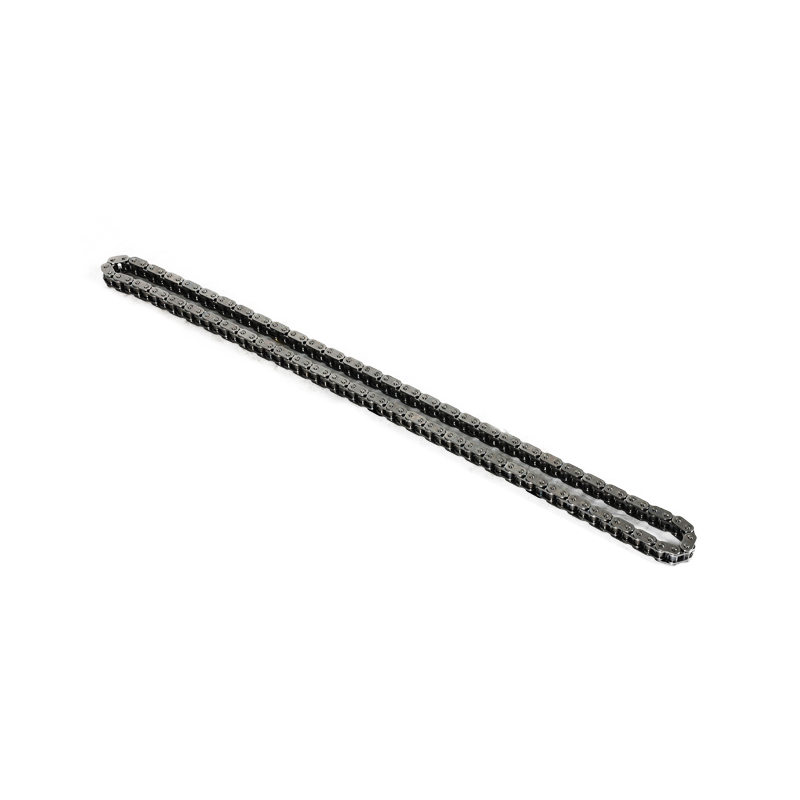
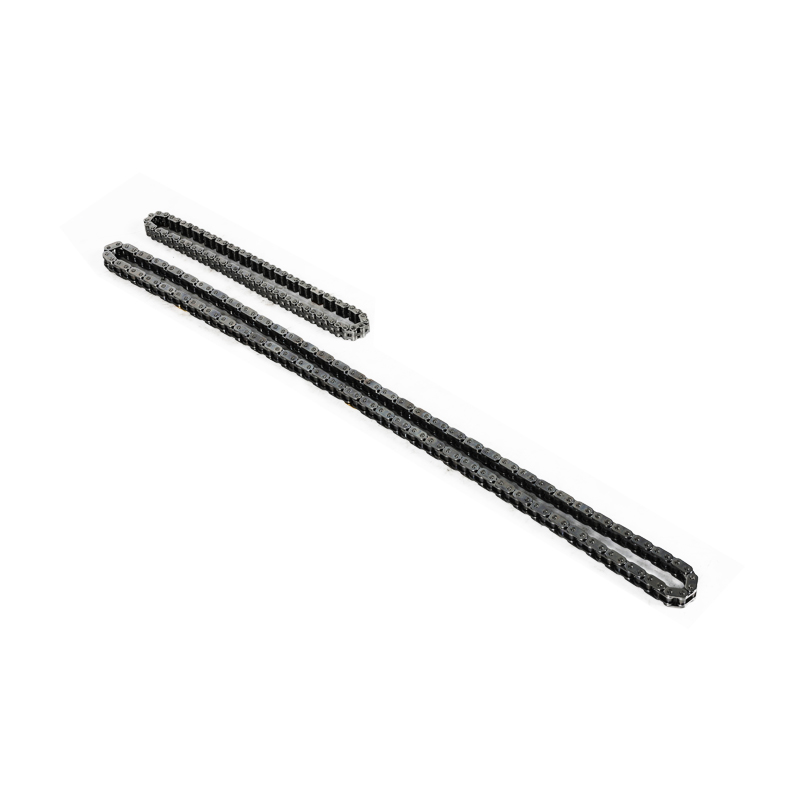
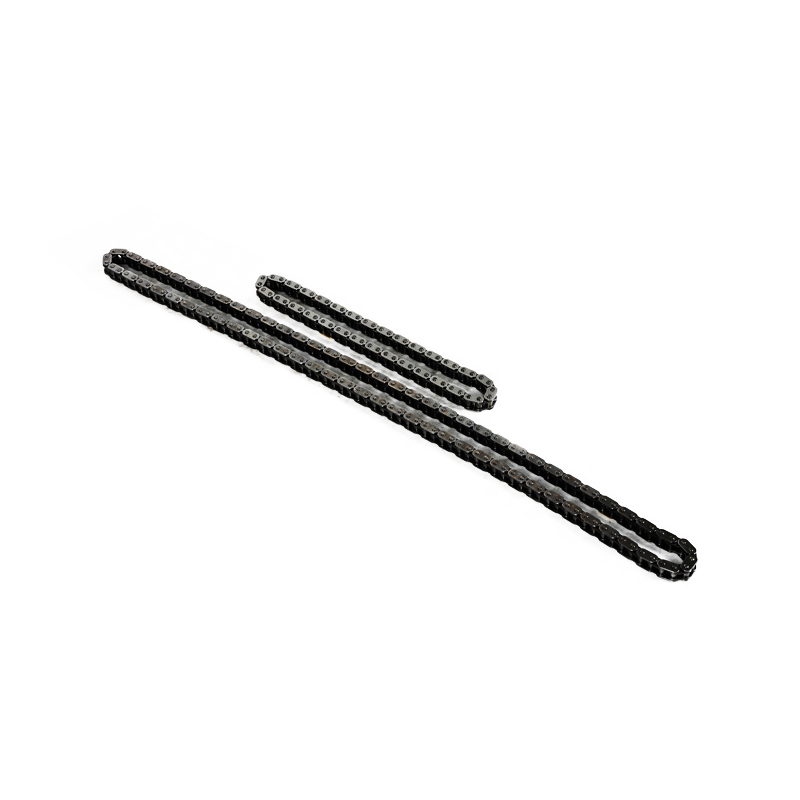
Hyundai timing chain 1001 through 1015 and 1030/1031 are representative of the range we hold for this engine family. The range is organised so that a distributor can order a single chain, a tensioner, a guide set or a full kit under one reference. For workshops that prefer a complete repair solution, our Hyundai Timing Chain Kit 28 groups the matched components for a defined engine application.
Each component in the Hyundai timing drive has a distinct function, and the material and surface treatment we apply follow that function. The table below summarises how we position the main part types and where they fit in the engine.
| Component | Function in the Timing Drive | Typical Hyundai Application | Key Specification Focus |
|---|---|---|---|
| Timing chain | Transfers crankshaft rotation to the camshaft at a fixed ratio | Gasoline and diesel Hyundai engines with chain-driven camshafts | Pitch, link count, tensile strength, fatigue life |
| Tensioner | Maintains chain tension as the drive wears and expands | Hydraulic and mechanical tensioner positions on Hyundai engines | Stroke, damping behaviour, leak-down, bore fit |
| Guide rail | Controls chain path and damps vibration | Fixed and pivoting guides on Hyundai cylinder heads and blocks | Rail profile, wear resistance, mounting hole position |
| Sprocket | Transmits torque and locks camshaft phase | Crankshaft and camshaft sprockets across the Hyundai range | Tooth profile, bore and keyway accuracy, surface hardness |
Hyundai timing chains and sprockets operate under continuous load and cyclic shock, so material grade and heat treatment decide service life. We use high-carbon chromium alloy steel for the chain, sprocket and guide components, with heat treatment controlled to a defined surface hardness range. A sprocket that is too soft deforms at the tooth flank and lets the chain climb; one that is too hard becomes brittle and chips. Our production line applies a hardness check to every batch before packing.
For the chain itself, pitch accuracy and link articulation are the properties that matter most. We verify these against the standard references and against the mating sprocket, because a chain and sprocket are a matched pair. Our Car Engine Hyundai timing chain Suppliers programme is built on this matched-pair principle rather than on selling individual parts in isolation.
We configure Hyundai timing chain supply around the engine code and the level of repair the customer performs. The main choices are:
For customers who also service other brands, our Universal Timing Chain Kit 0121 and the wider kit programme cover additional engine families with the same manufacturing approach.
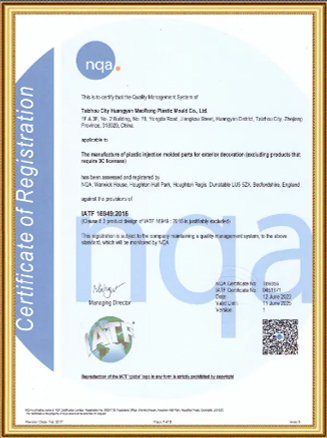
Quality control at Jingtong runs through the process rather than only at final inspection. We inspect after each production step, and finished parts receive 100% inspection against customer requirements and the applicable standard. Our testing laboratory holds equipment for chemical composition, mechanical properties, non-destructive testing and dimensional verification, including spectrometer, metallographic microscope, tension tester, low-temperature tester, X-ray tester, MPI, UT, CMM and video measurement.
For Hyundai timing chain orders, the acceptance scope typically covers:
Hyundai timing chain replacement is a controlled procedure: the engine is locked at top dead centre, the old chain and tensioner are removed, the new chain is timed to the marks, and the tensioner is primed and released. Guides and sprockets are replaced as a set when wear is visible, because a new chain running on worn sprockets will not hold phase. We supply the matched set so that the installer does not have to source components from different batches.
For maintenance planning, the practical wear indicators are chain elongation beyond the service limit, tensioner stroke near maximum, and tooth flank wear on the sprocket. When tooth wear reaches roughly ten percent of tooth thickness, the sprocket should be replaced. We keep spare parts available for the Hyundai range so that distributors can support repeat service demand.
To prepare a Hyundai timing chain proposal, we work from the engine and the commercial requirement together. The following inputs let us confirm the correct part and the supply scope.
| Input | What It Determines |
|---|---|
| Hyundai engine code and model year | Chain pitch, link count, tensioner type and sprocket tooth count |
| OE part number or sample | Cross-reference and dimensional confirmation |
| Supply form: component or kit | Packaging, labelling and kit contents |
| Annual or first-order quantity | Production scheduling and batch planning |
| Inspection and documentation requirements | Test scope, certificates and acceptance criteria |
| Destination port and delivery terms | Shipping method, packing and trade terms |
We reply to working-day inquiries within 12 hours. Our annual production capacity exceeds 5,000,000 single parts, and we ship from the Ningbo and Shanghai port area, which keeps sea freight efficient for bulk Hyundai timing chain orders.
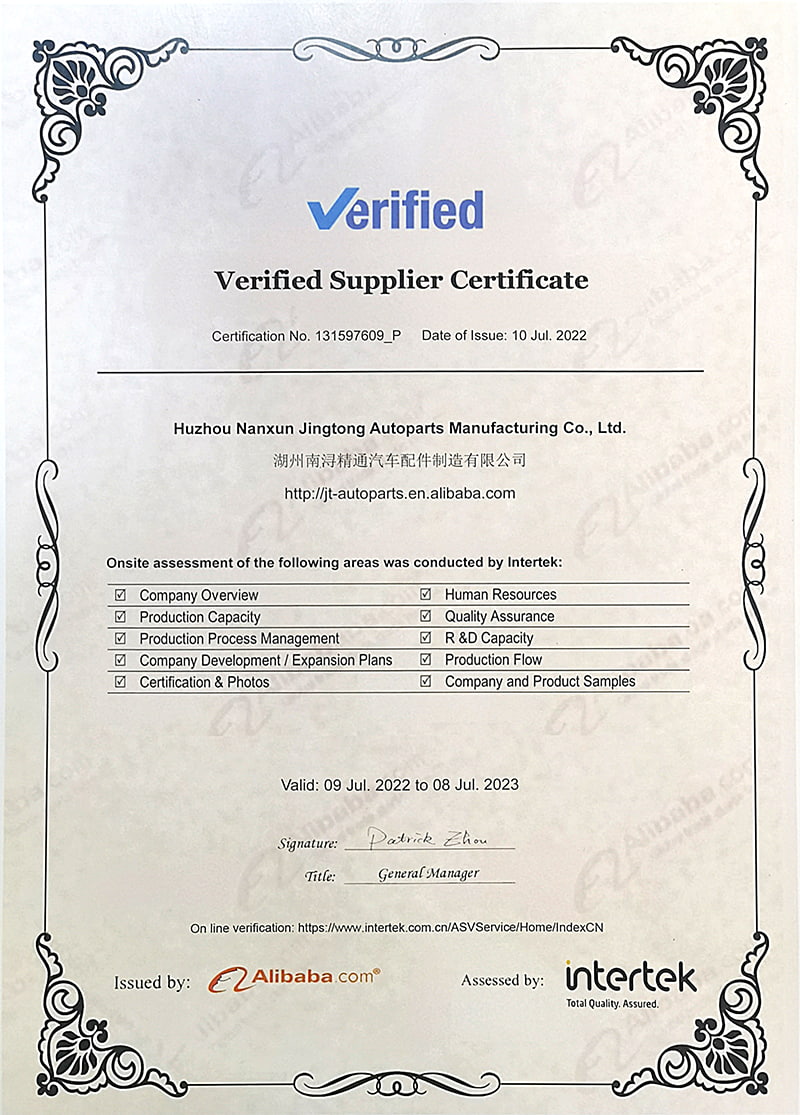
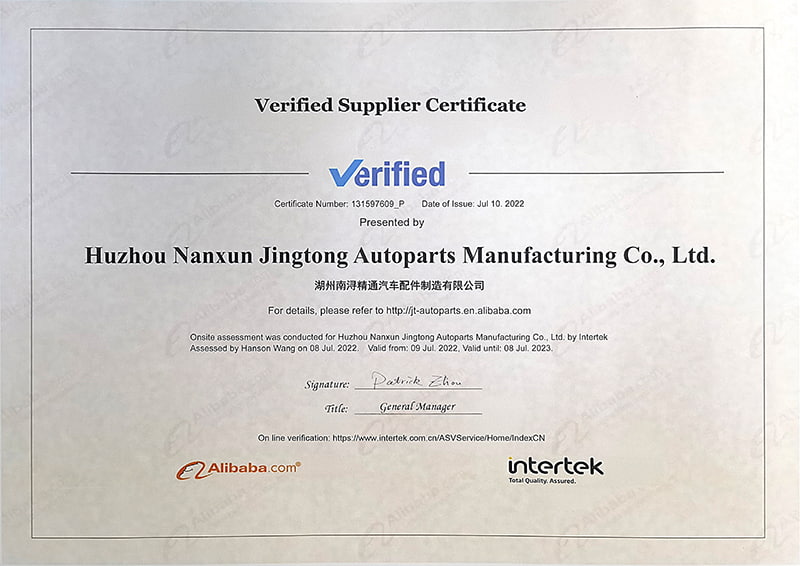
Yes. Huzhou Nanxun Jingtong Auto Parts Manufacturing Co., Ltd. operates two manufacturing factories and an in-house international sales department. We produce and sell directly, which is why we can support both component-level and kit-level Hyundai timing chain orders.
Our Hyundai timing chain range covers the gasoline and diesel engine families listed in our catalogue, including references 1001 to 1015 and 1030/1031. If you provide the engine code and model year, we will confirm the matching chain, tensioner, guide and sprocket.
Yes. We develop and produce according to customer drawings or samples. For a Hyundai variant outside our standard range, send the OE number or a physical sample and we will confirm dimensions, material and heat treatment before quoting.
Orders are produced under GB/T14212-2003 and JB/T10348-200 standards with inspection after each process and 100% final inspection. We can supply inspection records covering chemical composition, hardness, tensile performance and dimensional results according to the agreed acceptance scope.
Components and kits are packed under the agreed labelling scheme and shipped by sea from the Ningbo and Shanghai port area. Air freight is available through Ningbo and Shanghai airports when a delivery is urgent. Trade terms such as FOB, CIF and CNF are confirmed at quotation.
Yes. We supply individual chains, tensioners, guides and sprockets, and we also group them into complete Hyundai timing chain kits. The kit route is the practical choice when a workshop replaces the full timing drive in one repair.
Our portfolio also includes Chevrolet 2.4 Car Engine Timing Chain Kit for applications with different operating ranges, interfaces or integration requirements.


No.99,Chuangyuan Road,Gaodun Village, Shimen Town, Tongxiang City, Zhejiang Province,China

+8619957389130 /+86-573-88680799 /+8618022894057 /+8619957389131

jt-autoparts.com

Copyright ? Huzhou Jingtong Auto Parts Manufacturing Co., Ltd. All Rights Reserved. custom car engine Hyundai timing chain company


