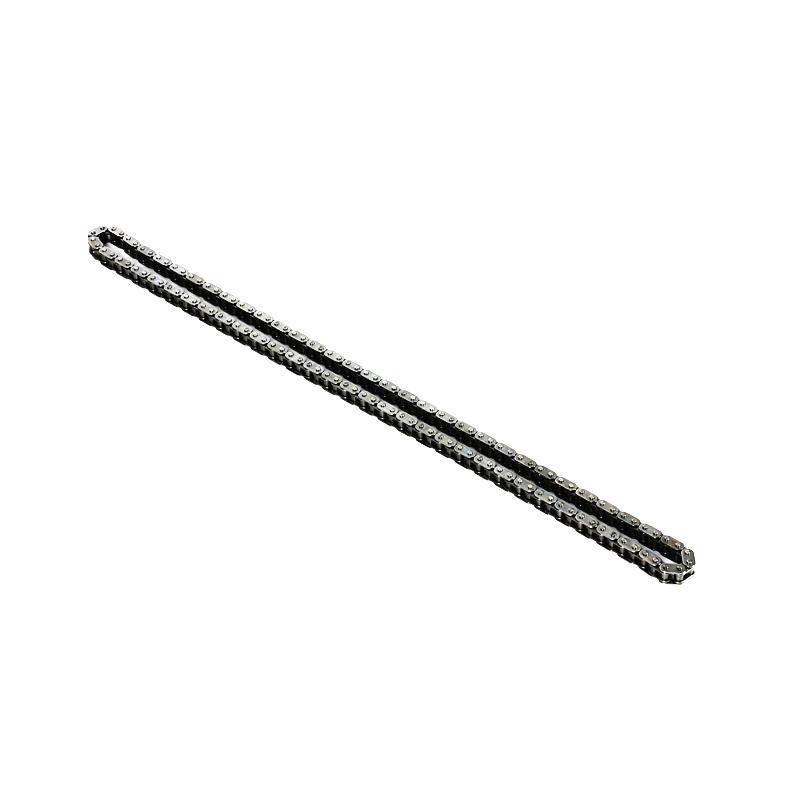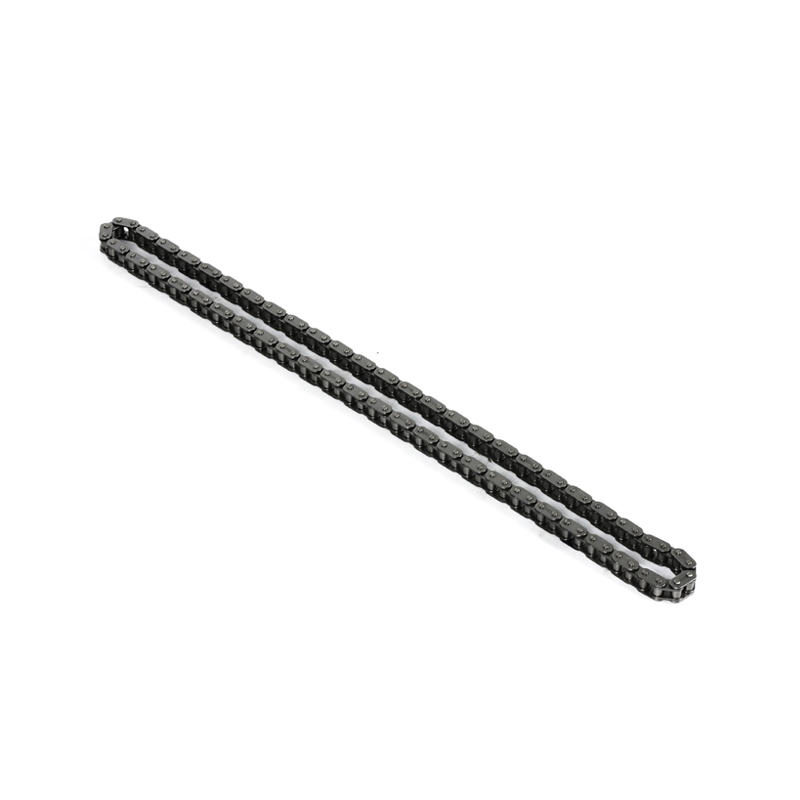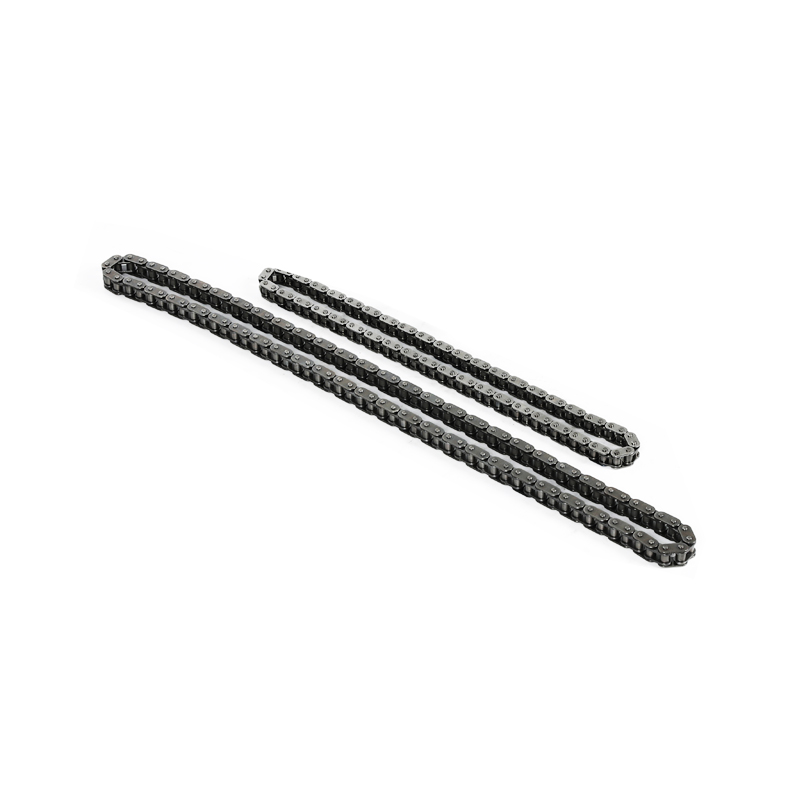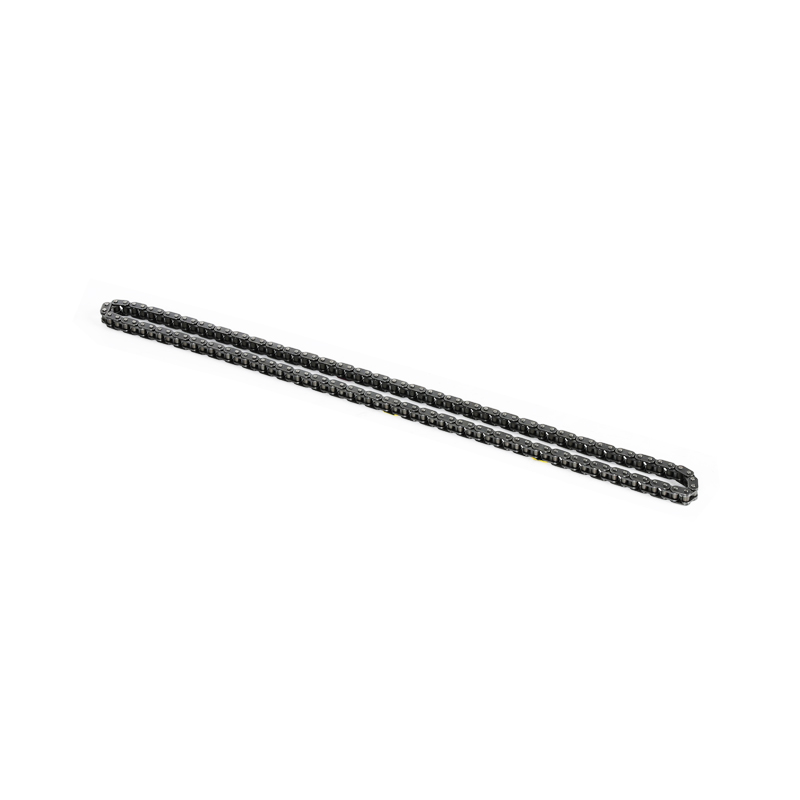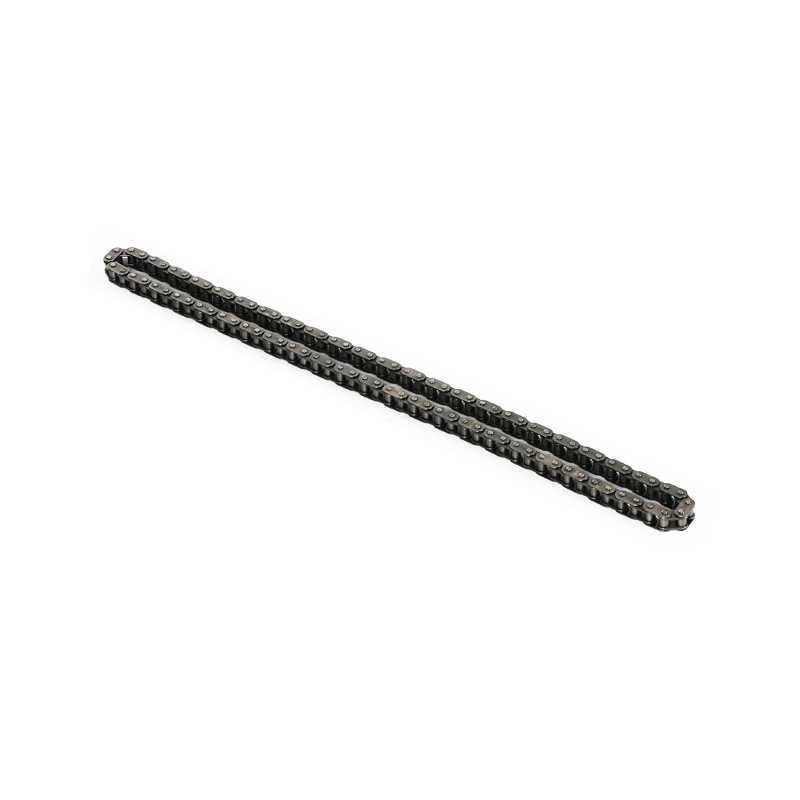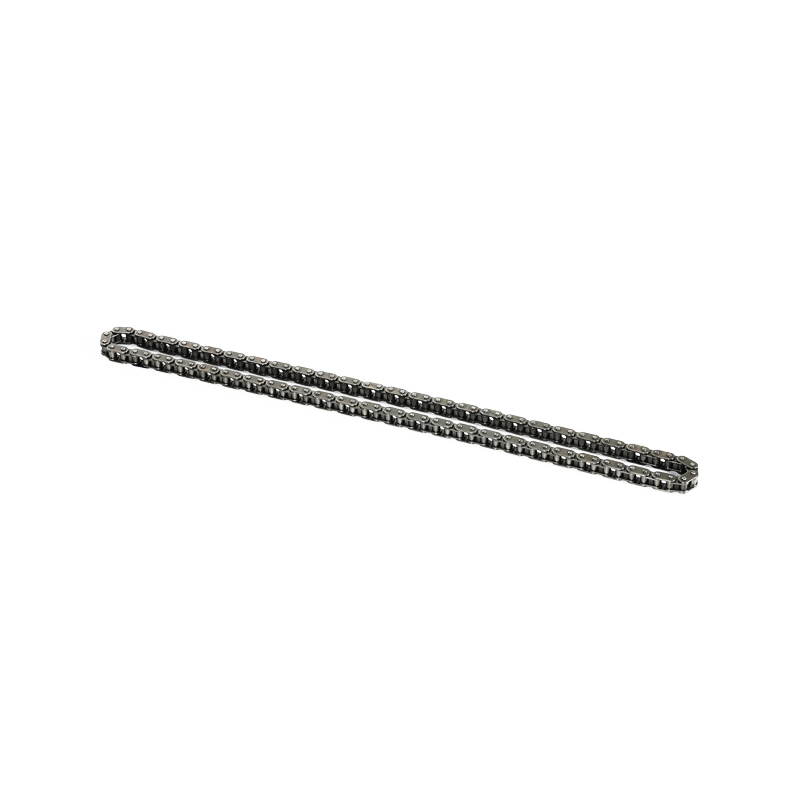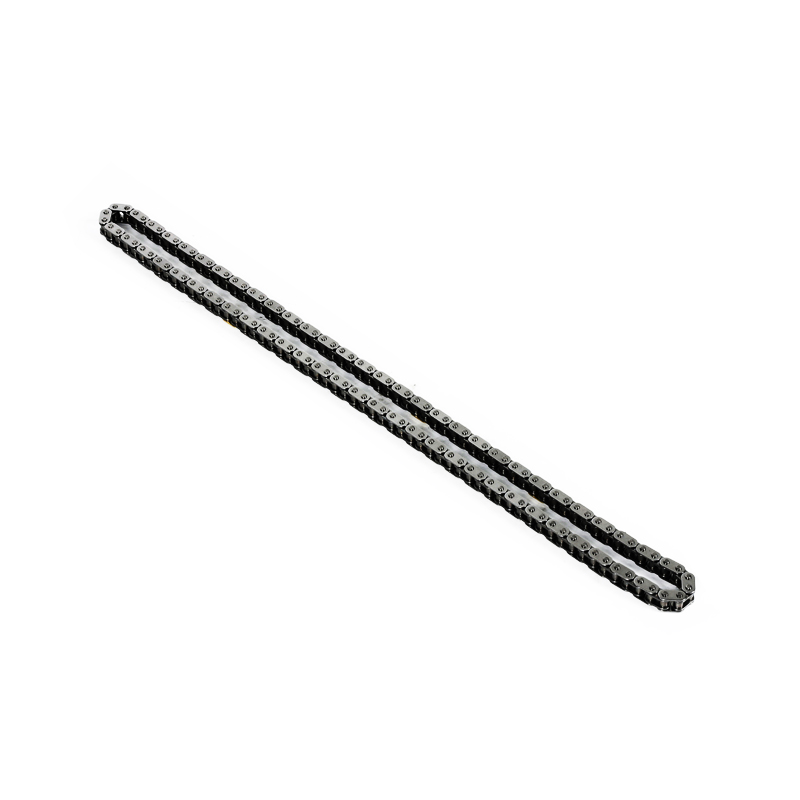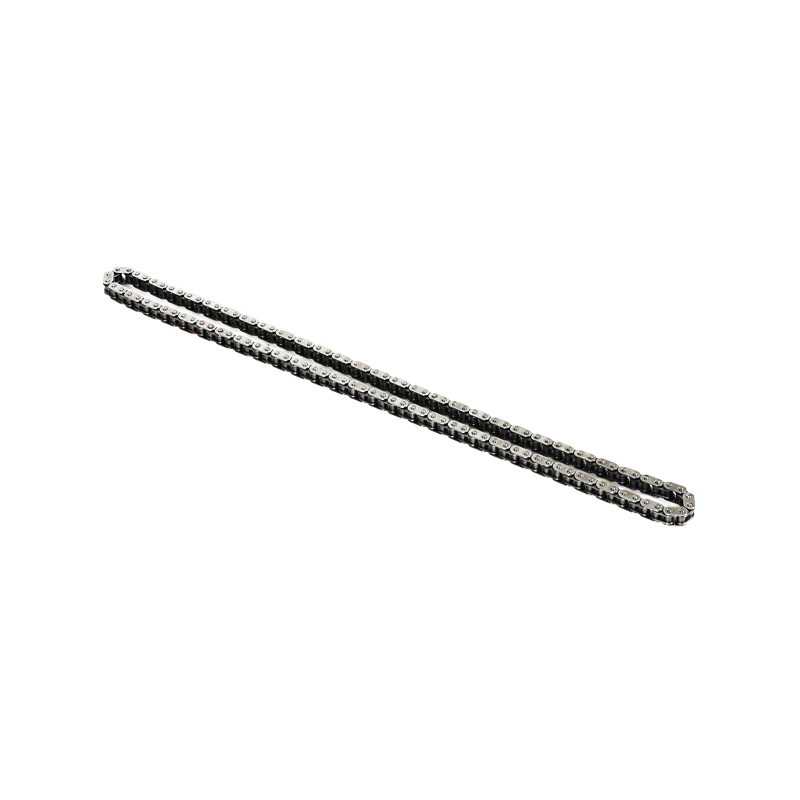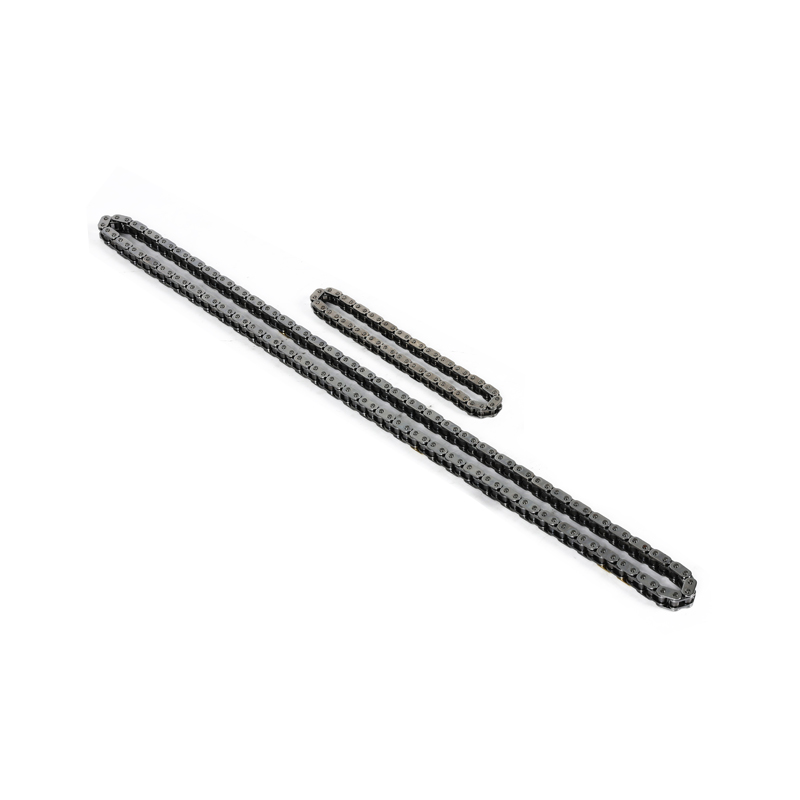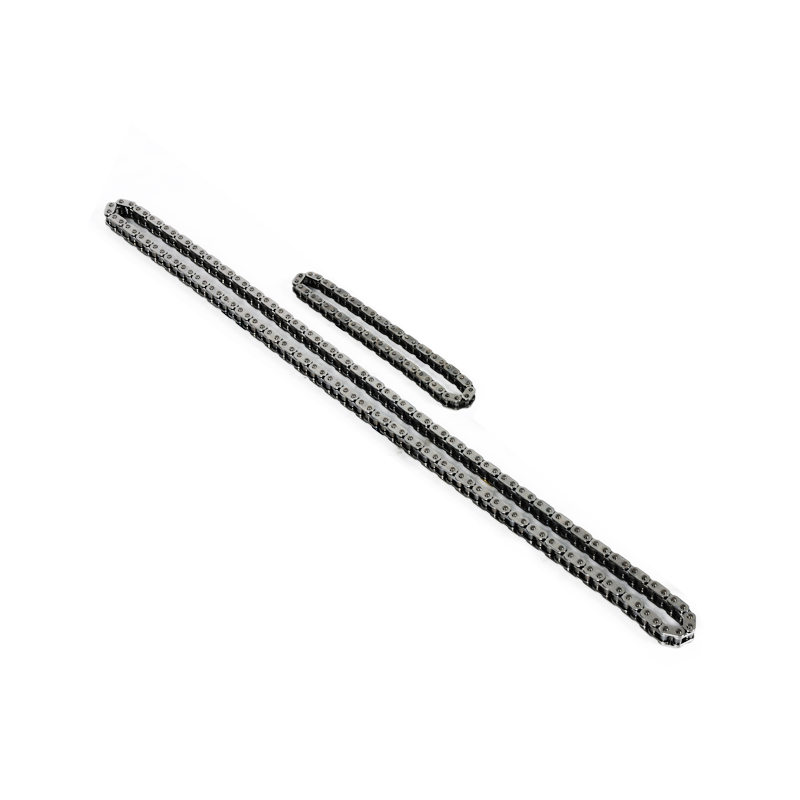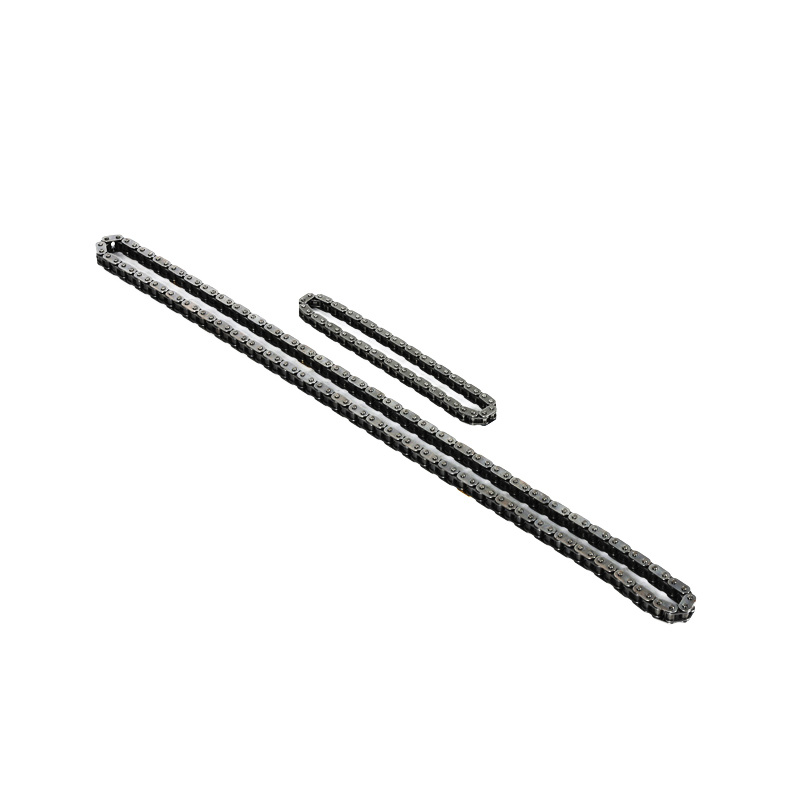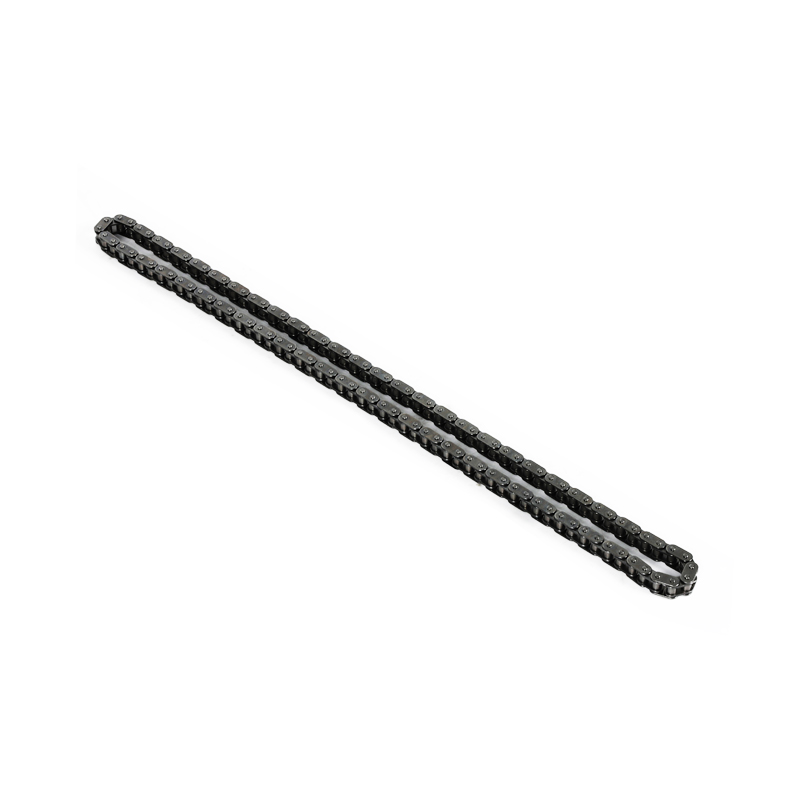
Toyota timing chain Industry Knowledge Extension
Common Toyota Timing Chain Failures and Preventive Maintenance Guide
Introduction
Toyota vehicles have long adopted timing chains as a core component of the engine. They are durable and have a long maintenance cycle, but certain failure risks still exist. Understanding common failure types and maintenance methods is essential for prolonging engine life.
Common Failure Types
1. Chain Slack or Excessive Elongation
Symptoms: Increased engine start-up noise, idle vibration, reduced power.
Causes: Metal fatigue after long-term use, or tensioner failure.
Solution: Regularly check chain tension and replace it with a high-quality chain if necessary.
2. Tensioner Failure
Symptoms: Chain slippage or abnormal noise.
Causes: Hydraulic or mechanical tensioner failure prevents proper chain tension.
Solution: Use tensioners manufactured to high standards, such as products from Huzhou Nanxun Jingtong Auto Parts Manufacturing Co., Ltd., made with high-carbon chromium alloy steel for high wear resistance and stability.
3. Guide Wear or Breakage
Symptoms: Chain skipping or abnormal noise.
Causes: Poor quality guide materials or long-term friction causing wear.
Solution: Choose guides produced with high-quality materials and manufacturing processes to extend chain life.
4. Sprocket Wear
Symptoms: Chain looseness, early or delayed engine ignition timing.
Causes: Severe wear of sprocket teeth affects timing accuracy.
Solution: Regularly inspect sprocket teeth and replace if necessary.
Preventive Maintenance Guide
1. Regular Inspection and Maintenance
It is recommended to conduct a full timing chain system inspection every 100,000–150,000 km. Use high-quality engine oil to ensure sufficient lubrication of the chain and tensioner.
2. Choose High-Quality Parts
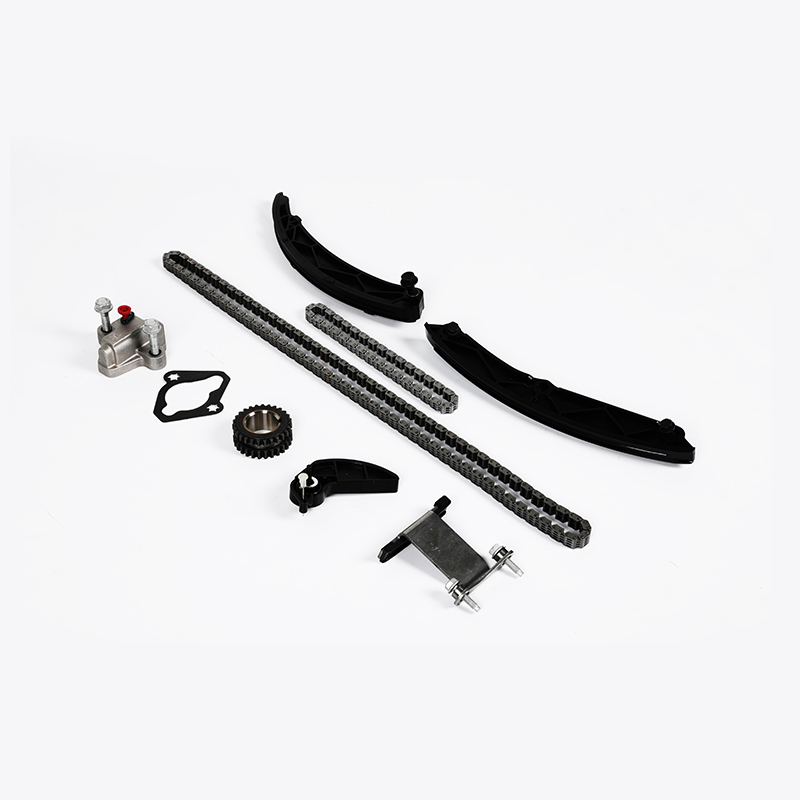
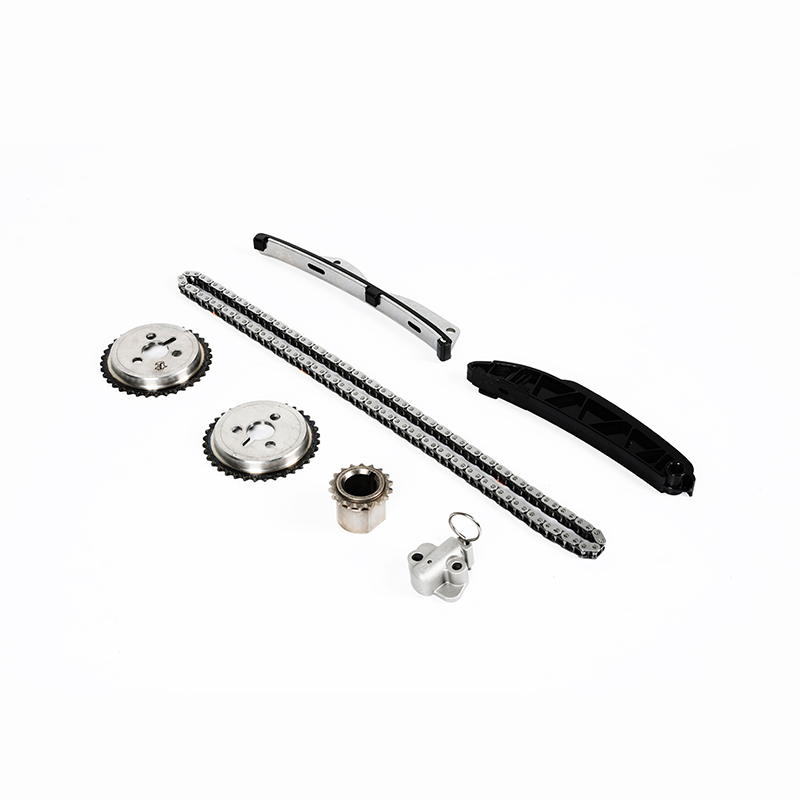
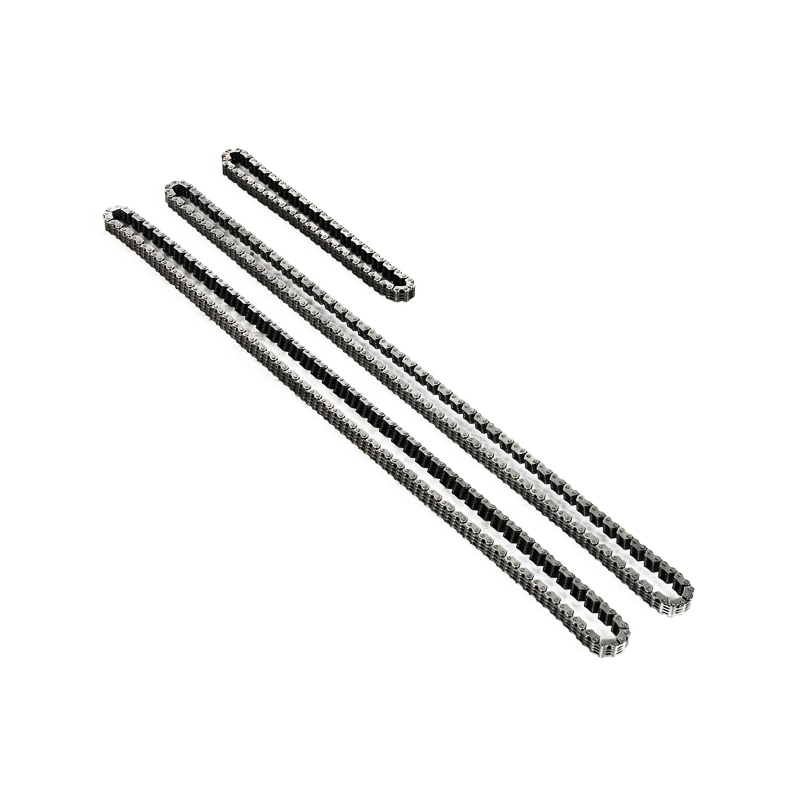
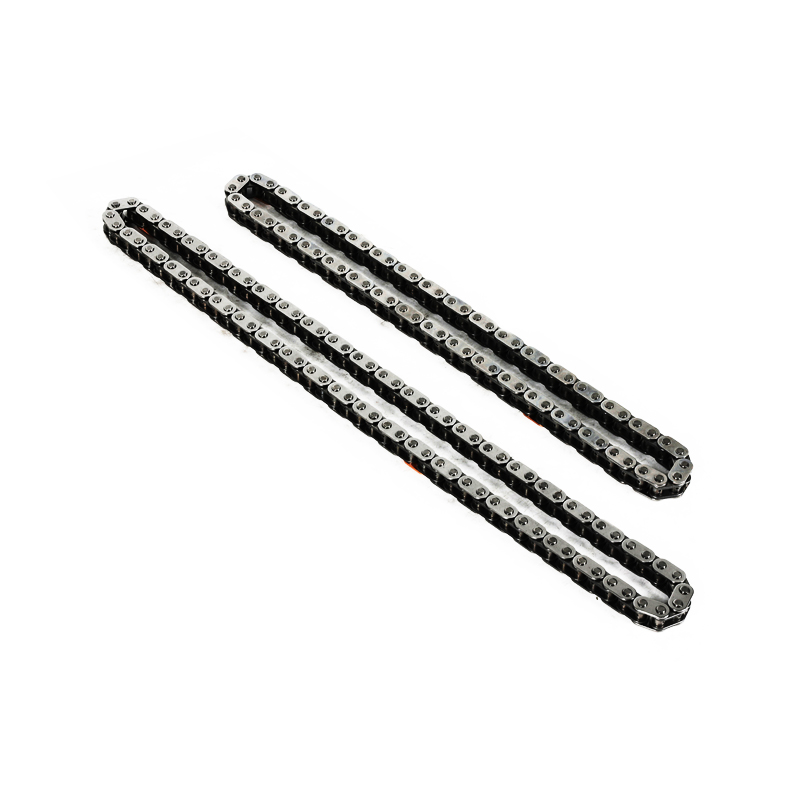
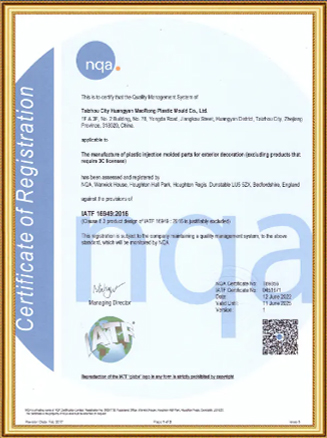
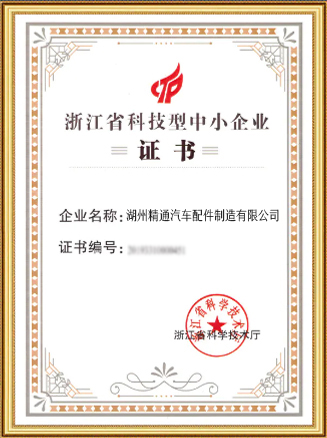
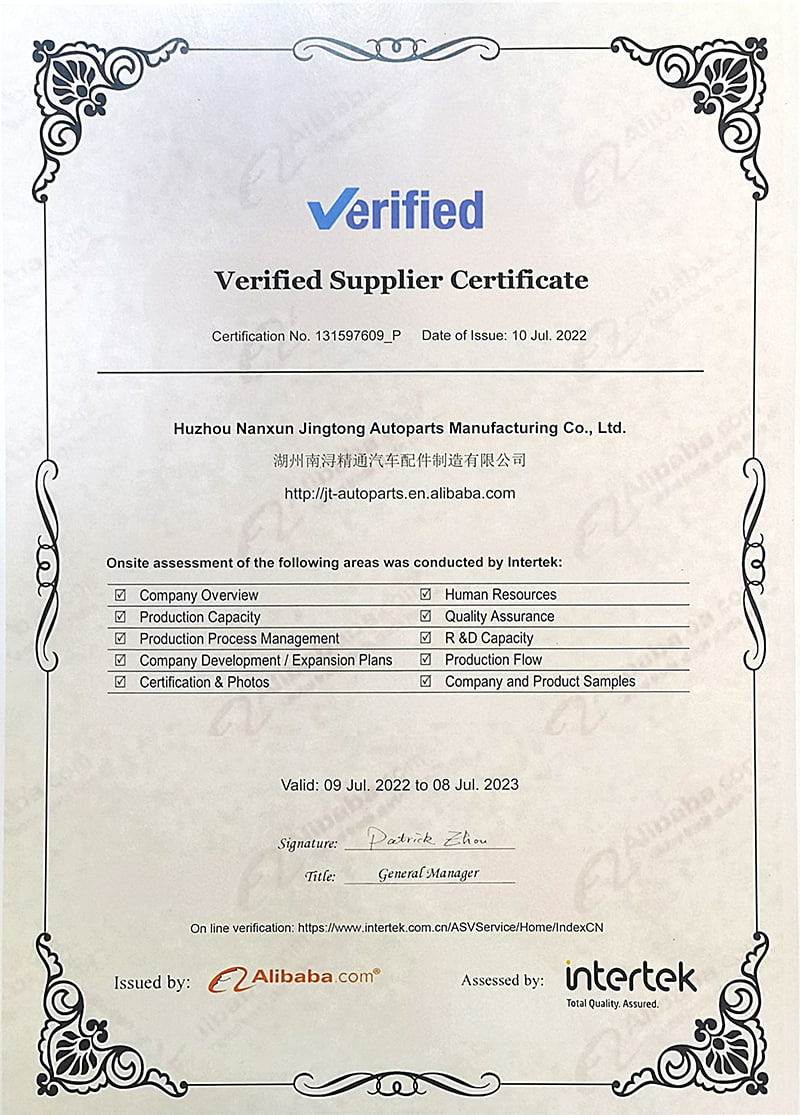
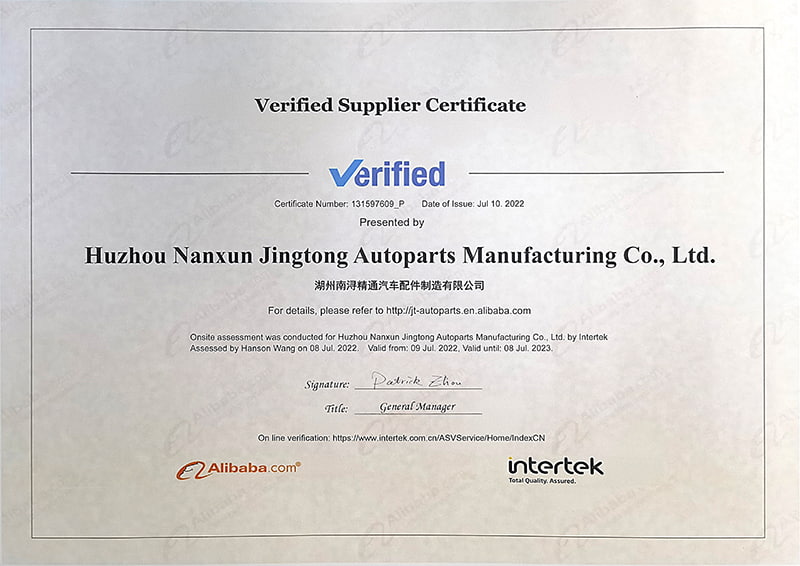
Huzhou Nanxun Jingtong Auto Parts Manufacturing Co., Ltd. specializes in producing timing chain system products, including chains, guides, and tensioners.
Example of product parameter comparison:
| Product Type |
Material |
Standard |
Service Life |
Features |
| Chain |
High-carbon chromium alloy steel |
GB/T14212-2003, JB/T10348-200 |
≥150,000 km |
High wear resistance, low elongation, stable performance |
| Guide |
High wear-resistant engineering plastic/steel core composite |
Same as above |
≥120,000 km |
Break-resistant, high temperature resistant |
| Tensioner |
High-carbon chromium steel |
Same as above |
≥150,000 km |
Precise hydraulic/mechanical tension, wear-resistant |
3. Avoid Extreme Conditions
Avoid frequent rapid acceleration, long-term high temperatures, or severe traffic jams, as these conditions accelerate timing chain system wear.
4. Timely Replacement of Worn Parts
If the chain, tensioner, or guide shows abnormal noise or visible wear, replace them immediately to avoid severe engine damage.
Conclusion
Although Toyota timing chains are durable, long-term use may still result in chain slack, tensioner failure, guide wear, or sprocket wear. Huzhou Nanxun Jingtong Auto Parts Manufacturing Co., Ltd. produces high-quality timing chain system products using advanced manufacturing technology and high-carbon chromium alloy steel, in accordance with national standards (GB/T14212-2003, JB/T10348-200). These products can effectively extend service life and reduce failure risks. Combined with regular inspections, proper use, and timely replacement of worn parts, they ensure maximum engine performance and reliability.