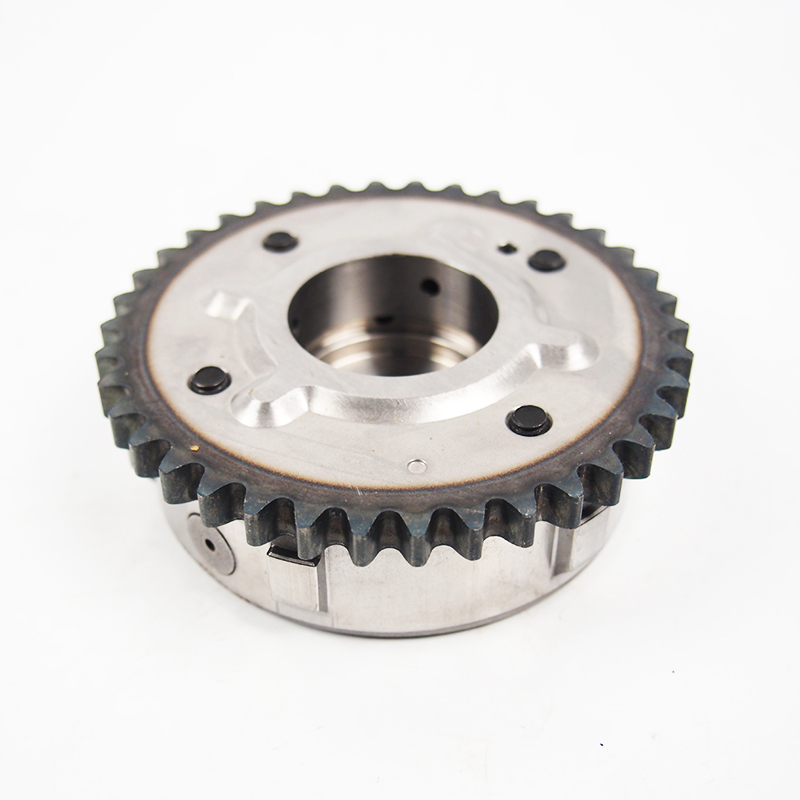
MAZDA Camshaft Phase Regulater(VVT) Industry Knowledge Extension
Common Faults and Diagnostic Methods of MAZDA Engine VVT Camshaft Phase Regulator
1. Overview of the VVT System
MAZDA engines adopt advanced VVT (Variable Valve Timing) technology. The Camshaft Phase Regulator adjusts the relative positions of the intake and exhaust camshafts to optimize combustion efficiency, power output, and emission performance. The camshaft phase regulator is usually a hydraulic motor controlled by oil pressure, using engine oil pressure for phase adjustment.
2. Common Fault Types
The main faults of the MAZDA engine VVT camshaft phase regulator in practical use include:
2.1 Oil Circuit Blockage
Caused by oil impurities or poor-quality oil, which block the regulator oil holes and prevent precise camshaft phase adjustment.
Symptoms: unstable engine idle, power loss, and warning light on.
2.2 Solenoid Valve Failure
Failure of the solenoid valve controlling VVT oil pressure can affect phase adjustment accuracy.
Symptoms: sluggish acceleration, increased fuel consumption, fault codes P0010/P0011, etc.
2.3 Mechanical Wear
Wear on internal gears or locking mechanisms can lead to slow response or sticking of the regulator. Common in high-mileage engines or engines with insufficient lubrication.
2.4 Oil Quality and Viscosity Issues
Using engine oil that does not meet MAZDA's specifications or frequent use of low-quality oil can reduce regulator response speed and lifespan.
3. Diagnostic Methods
3.1 OBD-II Fault Code Scan
Use a diagnostic tool to scan related fault codes (such as P0010-P0016) to preliminarily determine problems with the camshaft phase regulator and VVT system.
3.2 Oil Pressure Testing
Check if the engine oil pressure is within the regulator operating range, generally around 2.5–4.0 bar (refer to specific MAZDA engine models for exact values).
3.3 Solenoid Valve Function Test
Use a multimeter or diagnostic tool to test the solenoid valve's resistance and response. Normal values are typically 6–12 Ω.
3.4 Mechanical Wear Inspection
Disassemble and inspect the regulator's internal gears, locking mechanism, and valve body for obvious wear, scratches, or deposits.
4. Solutions and Reference Comparison
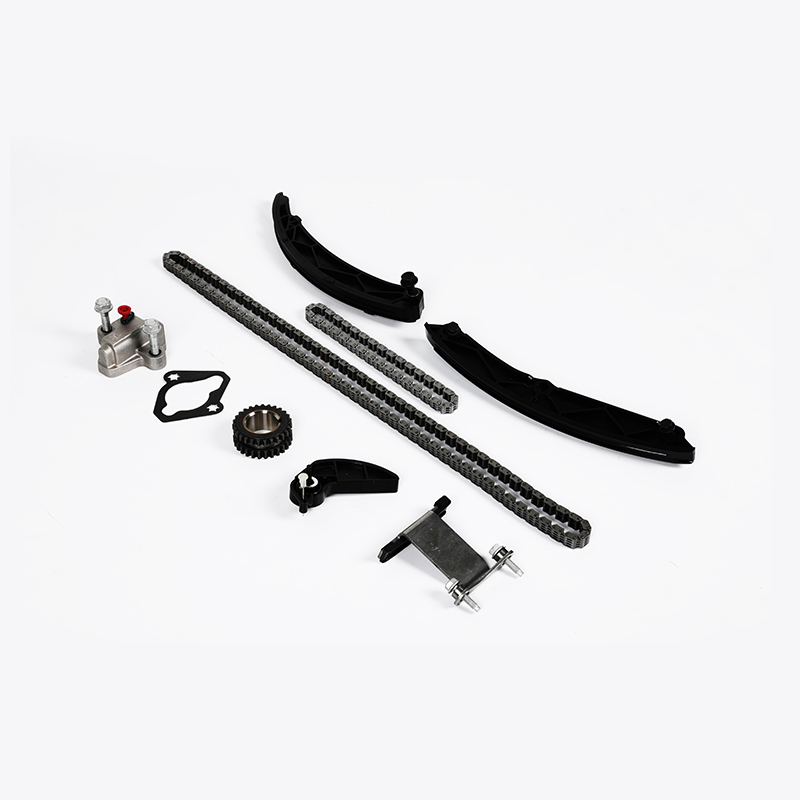
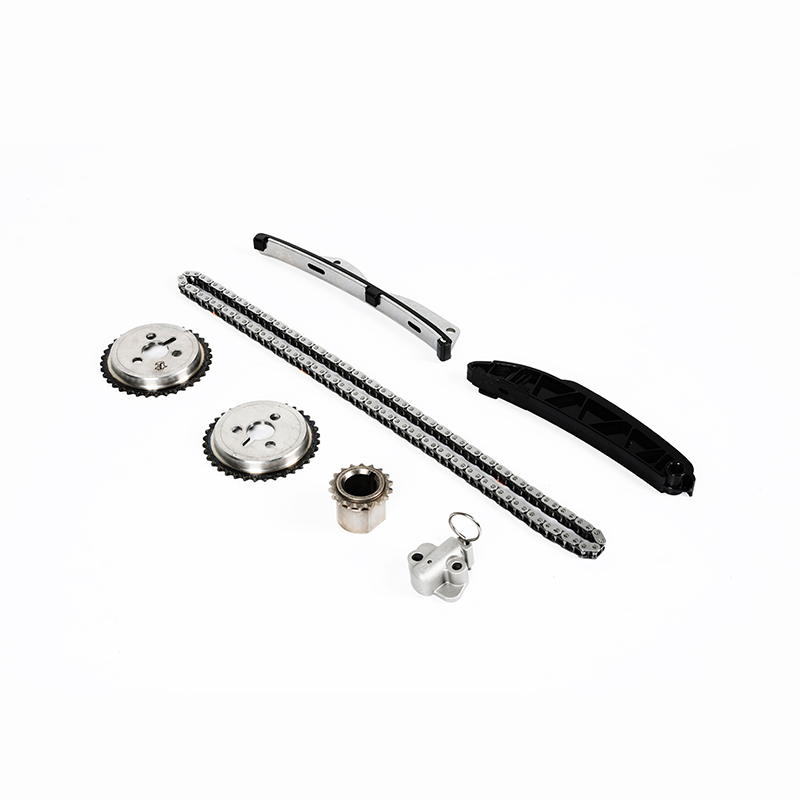
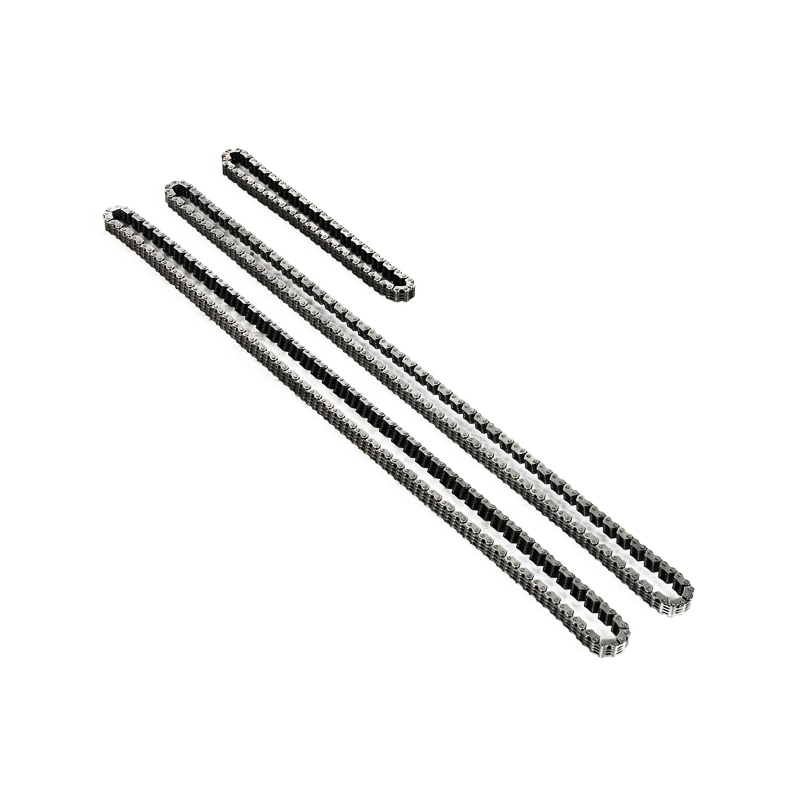
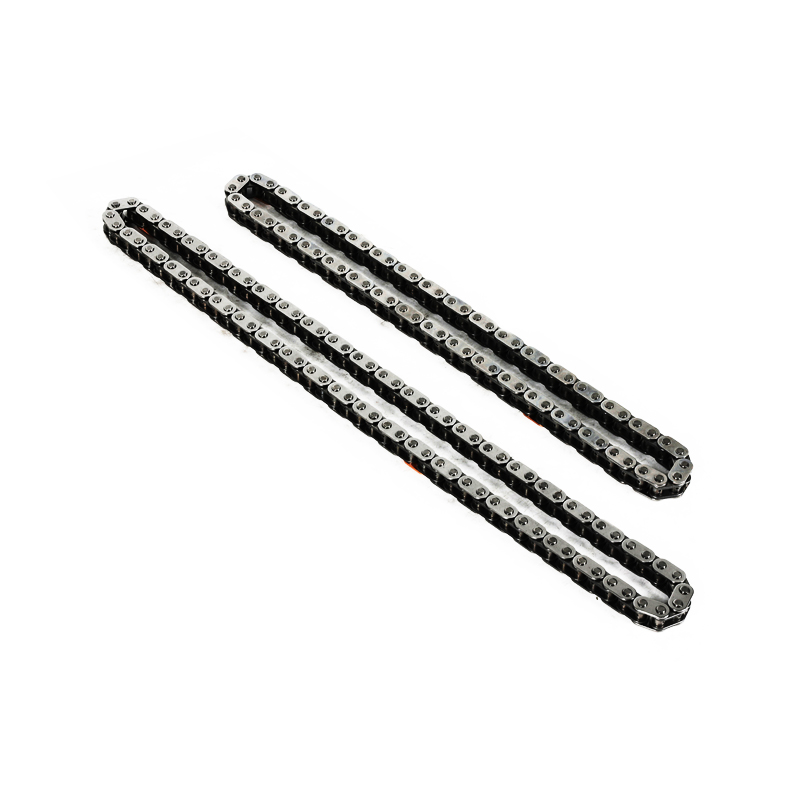
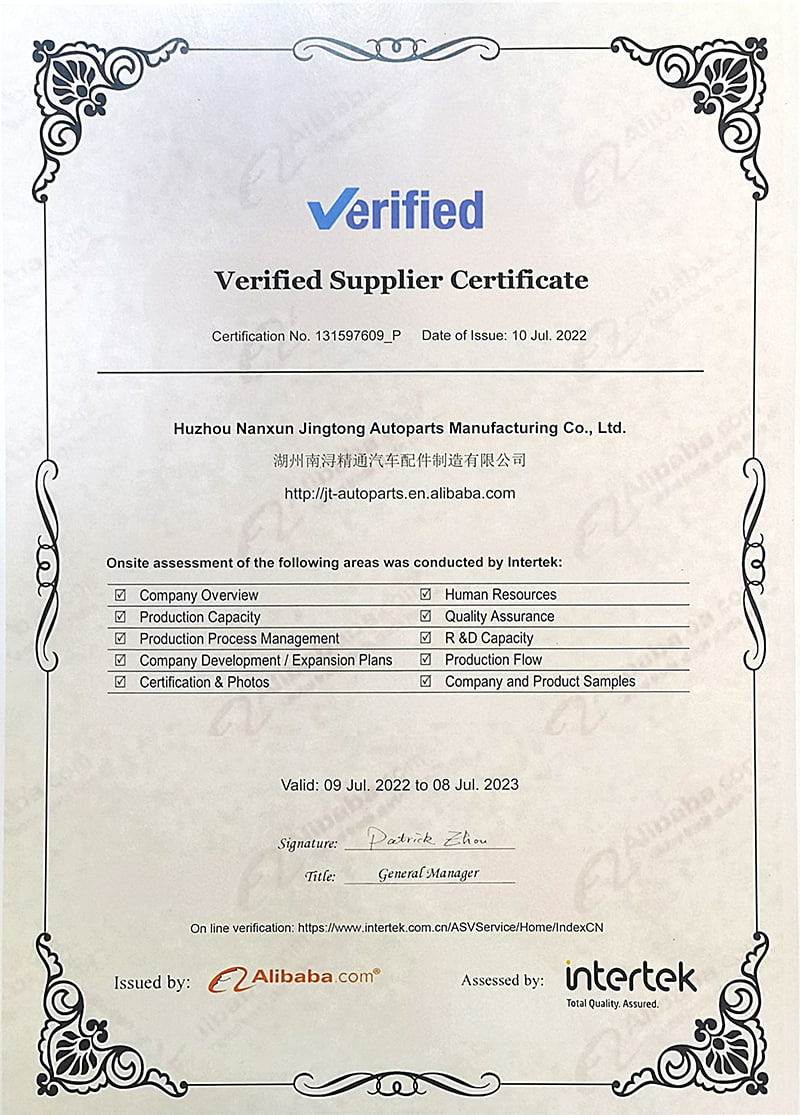
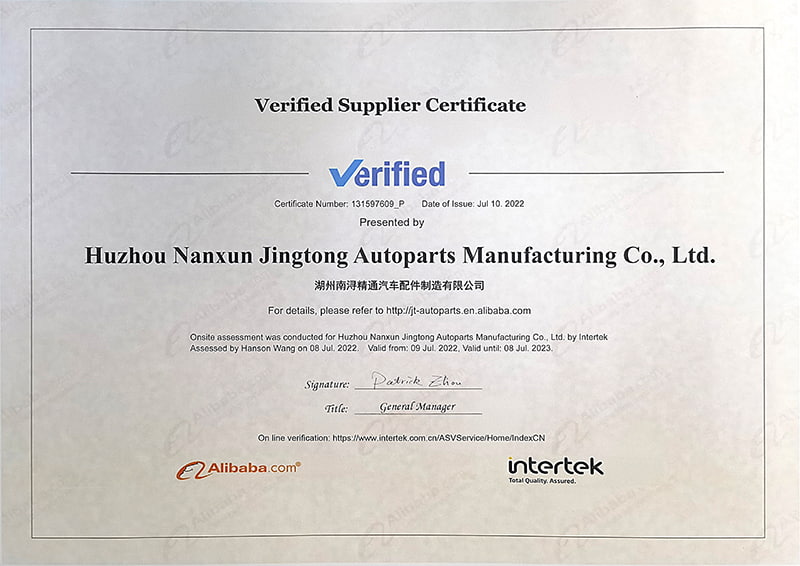
Huzhou Nanxun Jingtong Auto Parts Manufacturing Co., Ltd. specializes in automotive engine timing chain system components, including chains, sprockets, tensioners, and guides. Their product advantages are as follows:
| Product |
Material |
Standard |
Features |
Applicability |
| Timing Chain (Chain) |
High-carbon chromium alloy steel |
GB/T14212-2003 / JB/T10348-200 |
High wear resistance, high stability |
MAZDA series engines |
| Guide |
High-strength engineering plastic + steel core |
GB/T14212-2003 / JB/T10348-200 |
Low noise, high temperature resistance, deformation-resistant |
VVT system |
| Tensioner |
Alloy steel + precision hydraulic design |
GB/T14212-2003 / JB/T10348-200 |
Constant force tensioning, prolong chain life |
MAZDA engine VVT |
Compared with ordinary suppliers, Huzhou Nanxun Jingtong’s products use high-quality materials and advanced manufacturing technology to ensure stable operation of camshaft phase regulators and related VVT systems under high temperature and high load, effectively reducing failure rates.
5. Conclusion
The camshaft phase regulator in the MAZDA engine VVT system is a core component that ensures engine performance and emissions. Common faults are mainly related to oil circuit blockage, solenoid valve failure, and mechanical wear. Through proper diagnostic methods and high-quality components, such as Huzhou Nanxun Jingtong’s timing chain system products, the reliability and service life of the system can be effectively improved.