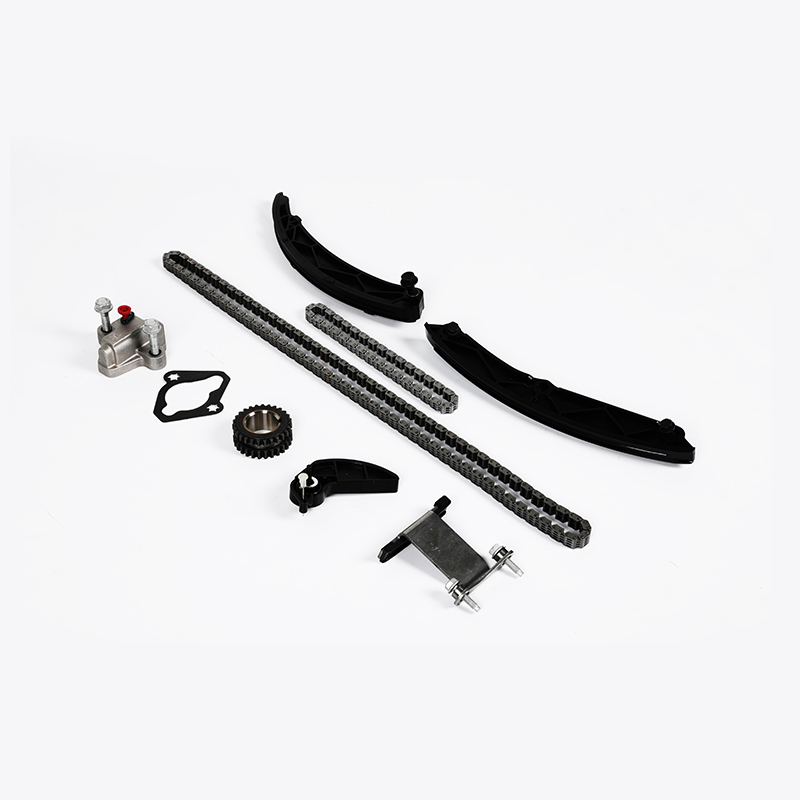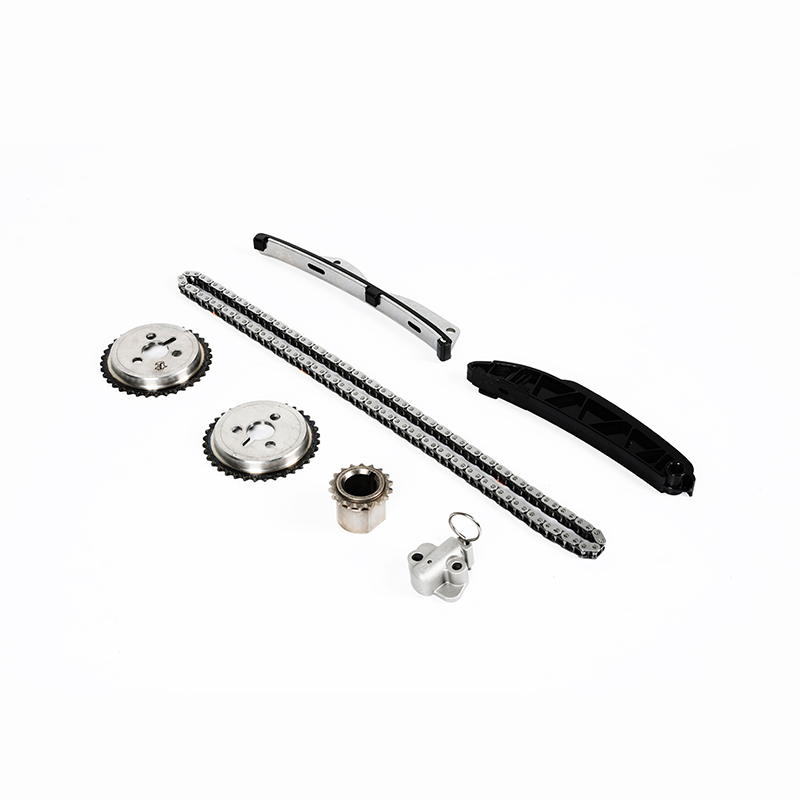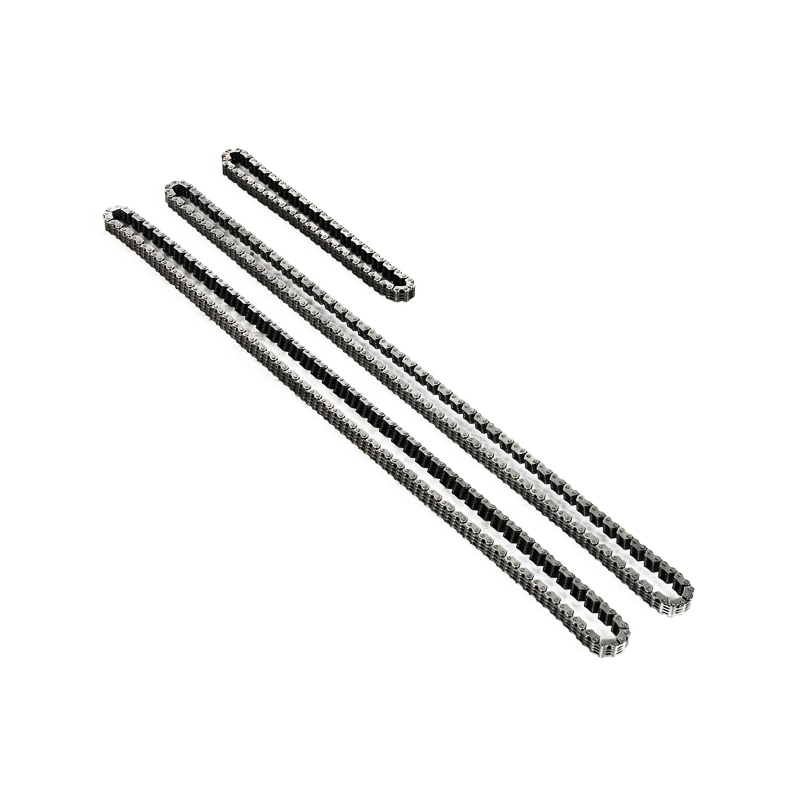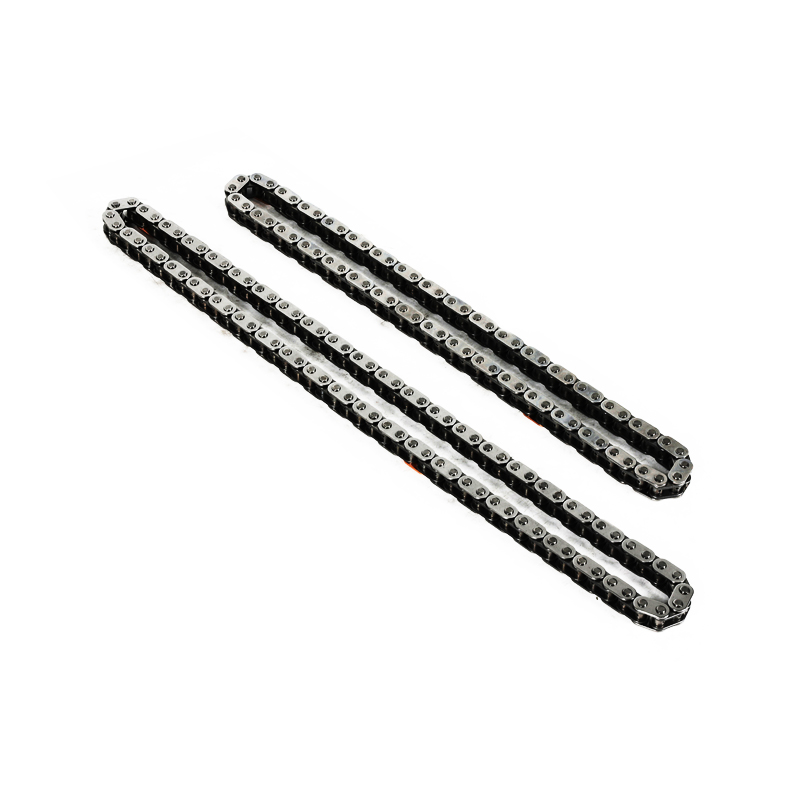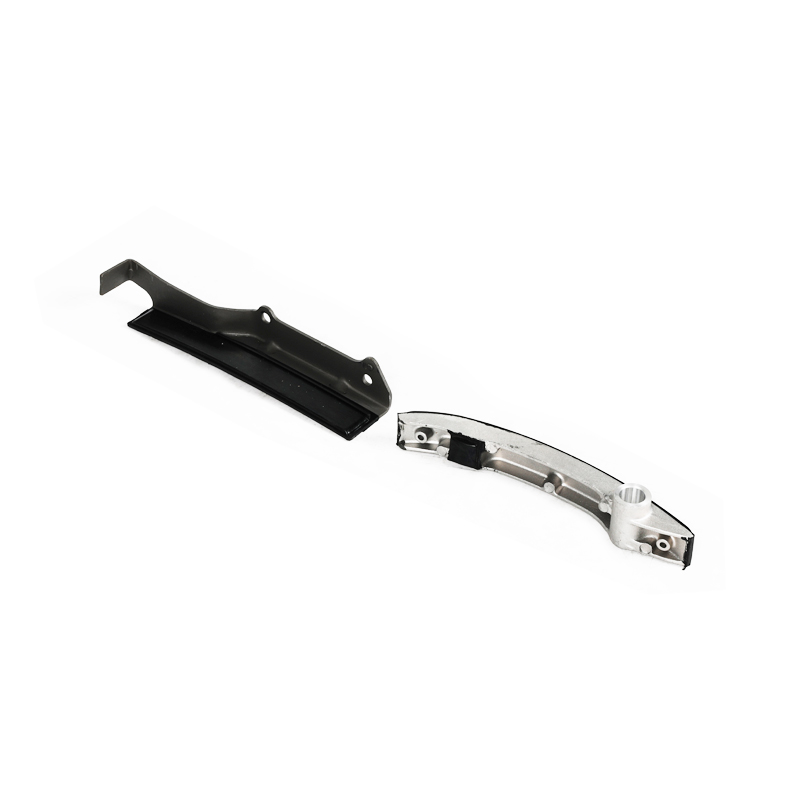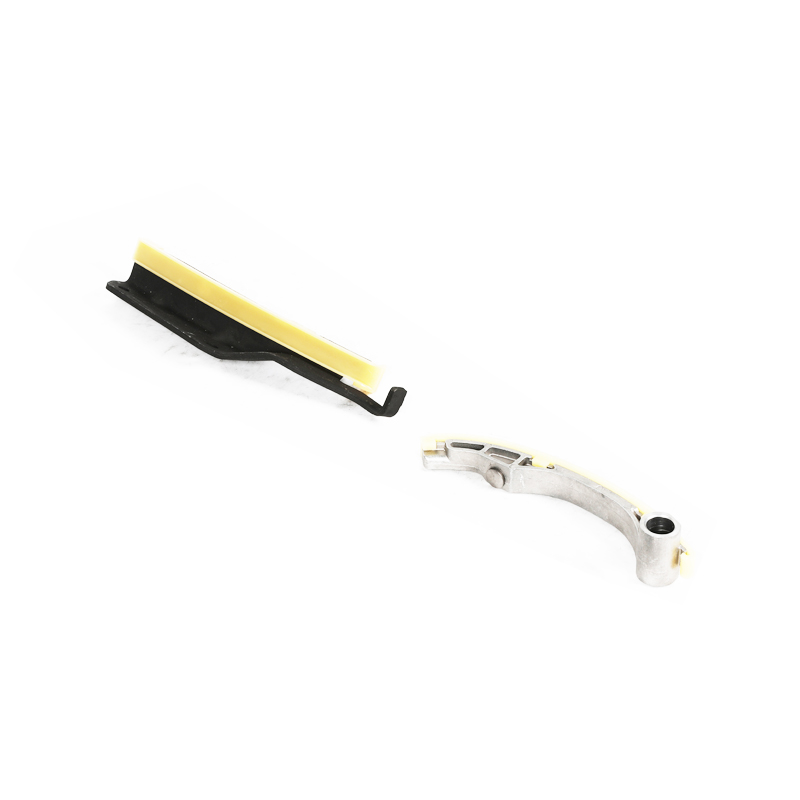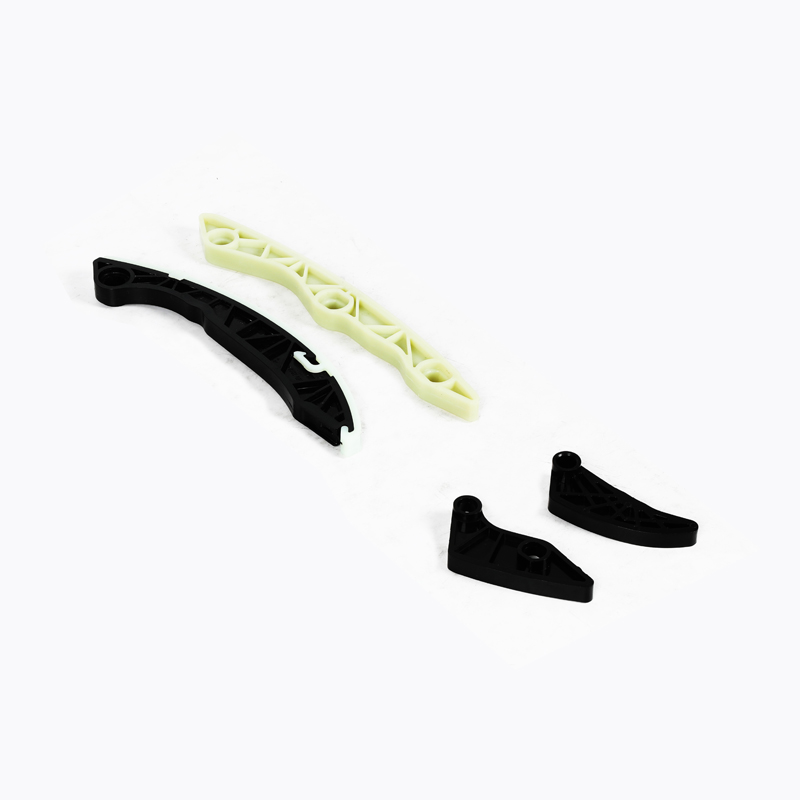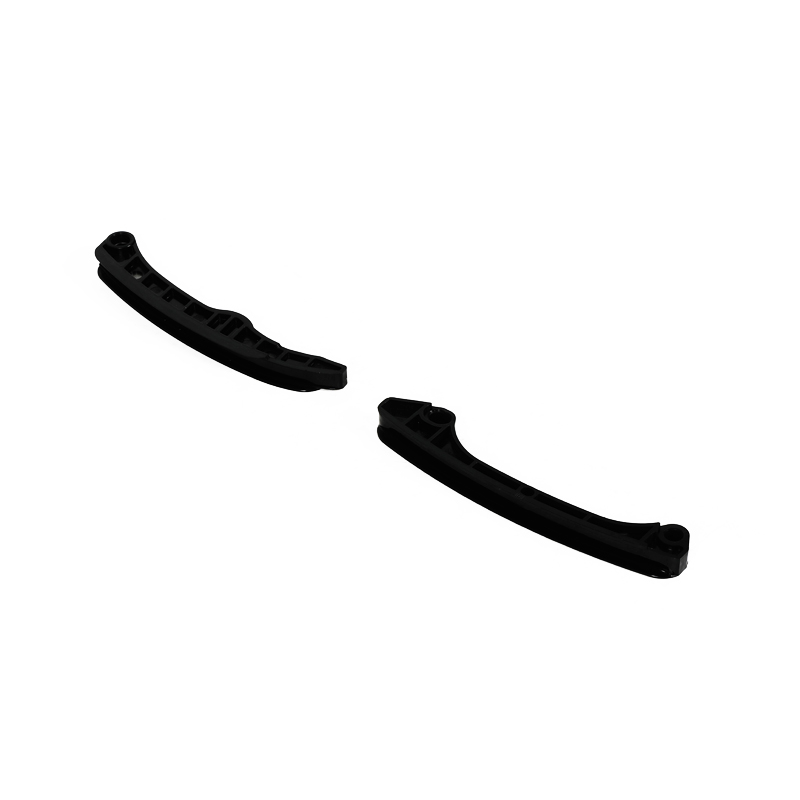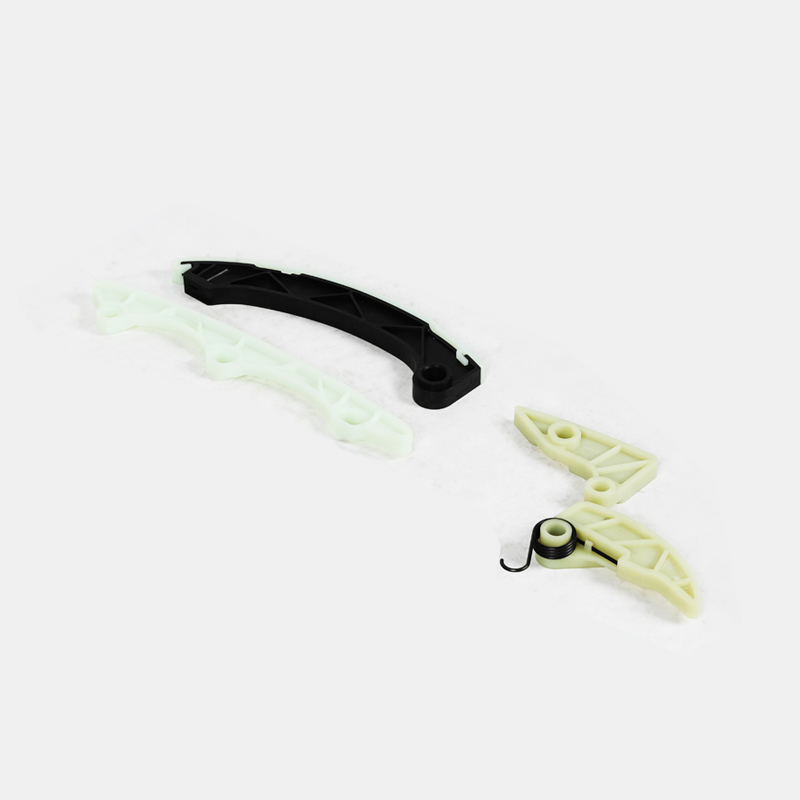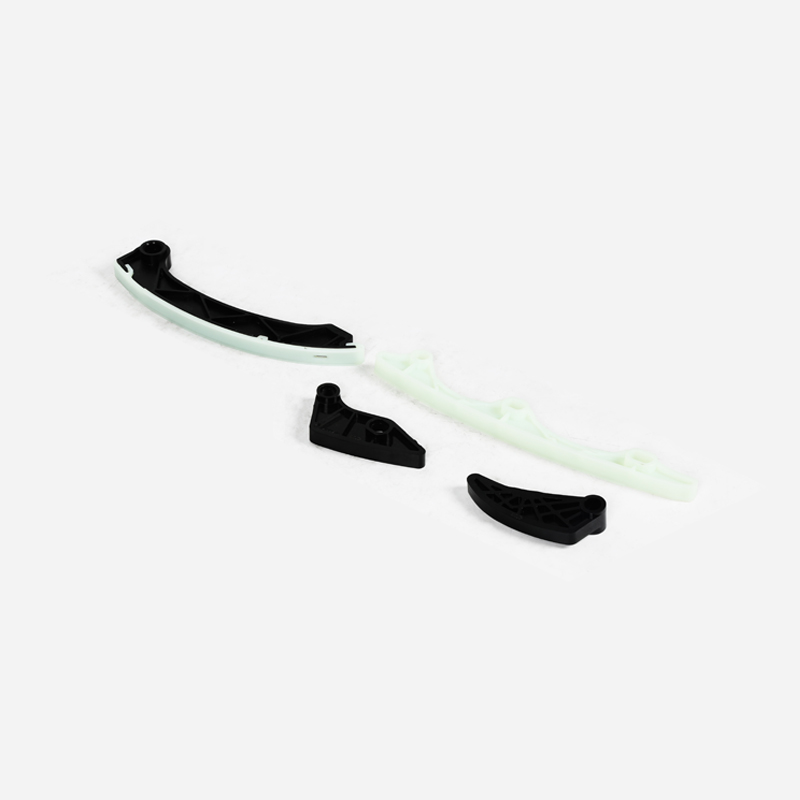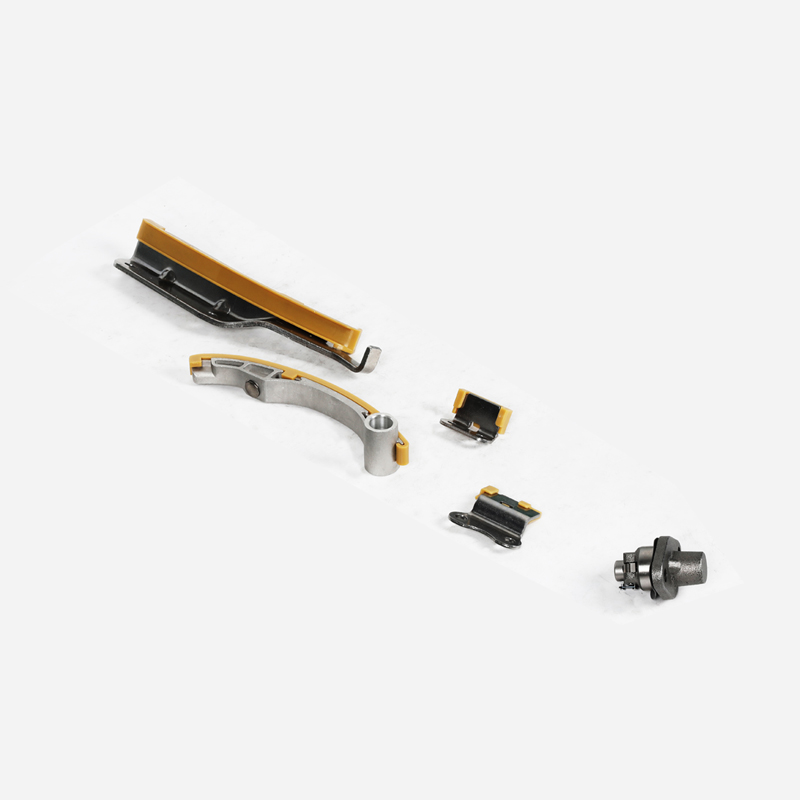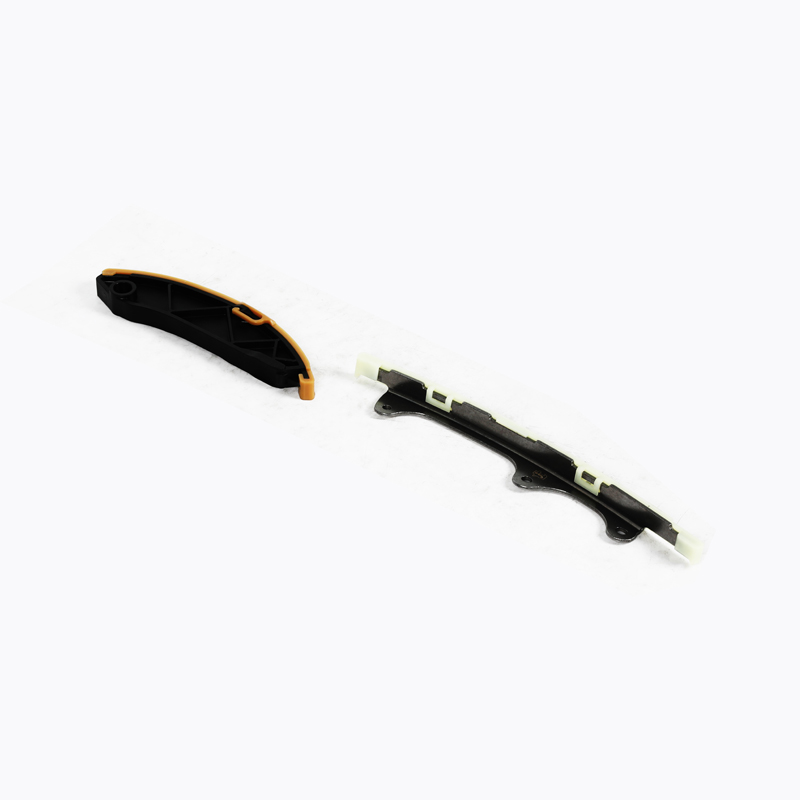
Custom Car Engine Mitsubishi timing chain guide Suppliers

Home / Products / Timing Chain Guide / Mitsubishi timing chain guide

// Product Categories

// Recommended Products

  • Mitsubishi timing chain guide 0701
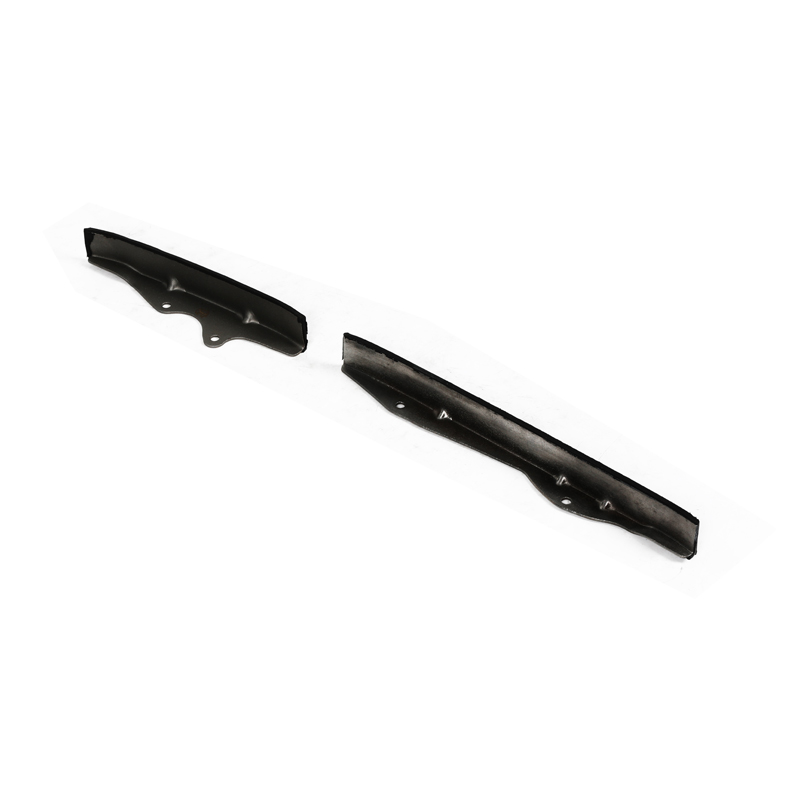
    Mitsubishi timing chain guide 0701

    Category: Mitsubishi timing chain guide

  • Mitsubishi timing chain guide 0702
    Mitsubishi timing chain guide 0702

    Category: Mitsubishi timing chain guide

  • Mitsubishi timing chain guide 0703
    Mitsubishi timing chain guide 0703

    Category: Mitsubishi timing chain guide

  • Mitsubishi timing chain guide 0704
    Mitsubishi timing chain guide 0704

    Category: Mitsubishi timing chain guide

  • Mitsubishi timing chain guide 0705
    Mitsubishi timing chain guide 0705

    Category: Mitsubishi timing chain guide

  • Mitsubishi timing chain guide 0706
    Mitsubishi timing chain guide 0706

    Category: Mitsubishi timing chain guide

  • Mitsubishi timing chain guide 0707
    Mitsubishi timing chain guide 0707

    Category: Mitsubishi timing chain guide

  • Mitsubishi timing chain guide 0708
    Mitsubishi timing chain guide 0708

    Category: Mitsubishi timing chain guide

  • Mitsubishi timing chain guide 0709
    Mitsubishi timing chain guide 0709

    Category: Mitsubishi timing chain guide

  • Mitsubishi timing chain guide 0711
    Mitsubishi timing chain guide 0711

    Category: Mitsubishi timing chain guide

  • Mitsubishi timing chain guide 0712
    Mitsubishi timing chain guide 0712

    Category: Mitsubishi timing chain guide

Product advantages:
1. Direct replacement -- applicable to Mitsubishi guide rail, which can meet or exceed the performance requirements as well as the original factory, to ensure a quiet and maintenance free experience.
2. Each component has undergone extensive functional and durability tests and measurements to ensure optimal performance.
3. Made of high-quality materials, very durable.
4. Provide complete timing chain guide rail with the latest design and technology.

Product specification description:
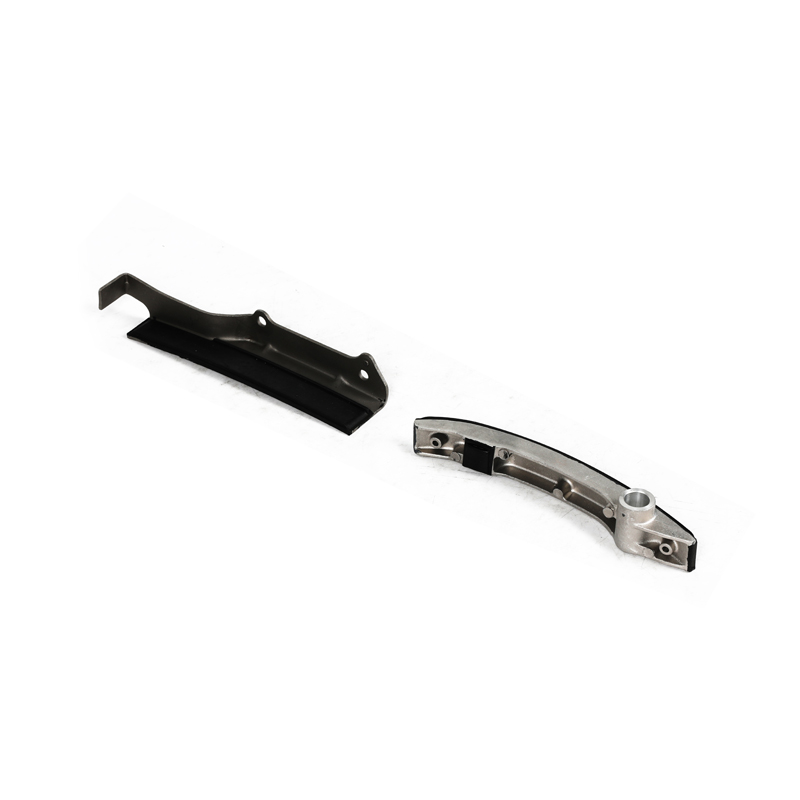
Friction lining material: plastic
Material: cast aluminum
Weight [kg]: 0150
Car Engine Mitsubishi timing chain guide Suppliers

Huzhou Jingtong Auto Parts Manufacturing Co., Ltd is China car engine Mitsubishi timing chain guide suppliers and OEM car engine Mitsubishi timing chain guide company. We focus on auto engine timing chain kits, including timing chains, tensioners, guides, and gears. Our products are used for auto engine timing system parts. We have two our own manufacturing factory, we also have our own international sales department. we produce and sell all by ourselves. We will reply to you within 12 hours of the working day.

Honor & Certificate

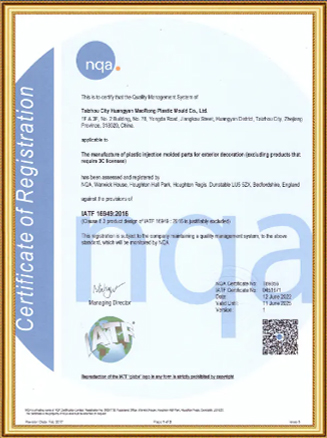
  • GB/T14212-2003 Certificates
  • JB/T10348-200 Standard
  • GB/T14212-2003 Certificates
  • JB/T10348-200 Standard
  • GB/T14212-2003 Certificates
  • JB/T10348-200 Standard
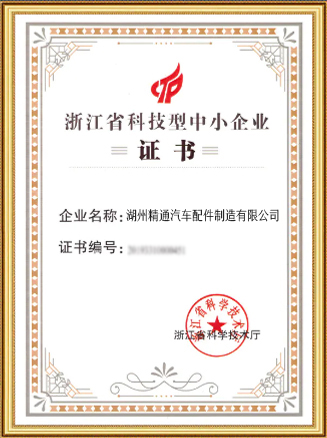
  • Certificates
  • Certificates

Lastest News

Mitsubishi timing chain guide Industry Knowledge Extension

Mitsubishi 4G63 (DOHC Turbo) vs. 4G64 (SOHC NA) Timing Chain Guide – Curvature Radius, Mounting Hole Spacing Differences, and Interchangeability Assessment

Mitsubishi's 4G6 engine family is legendary across the automotive aftermarket, powering everything from the rally-bred Lancer Evolution (4G63 DOHC Turbo) to the utilitarian Delica and Galant (4G64 SOHC). While both engines share the same basic block architecture, their timing chain guide rails are engineered with fundamentally different geometries to accommodate distinct chain paths, sprocket positions, and valvetrain layouts. This article provides a comprehensive comparison of guide rail curvature radius (R-value) and mounting hole spacing, and answers the critical question: can they be interchanged with simple shims or hole-reaming modifications? The analysis is backed by manufacturing data from Huzhou Nanxun Jingtong Auto Parts Manufacturing Co., Ltd.

1. Understanding the Timing Drive Architecture – Why Guide Rails Must Differ

The 4G63 and 4G64 engines use completely different valvetrain configurations, which dictate the chain path, the number of sprockets, and consequently, the guide rail geometry:

  • 4G63 (DOHC Turbo): Dual overhead camshaft design with two camshaft sprockets (intake and exhaust). The timing chain wraps around the crankshaft sprocket, then routes up to the intake cam sprocket, across to the exhaust cam sprocket, and back down to the crankshaft. This requires a longer, more complex chain path with two curved guide rails (one on the drive side, one on the slack side) and a tensioner rail.
  • 4G64 (SOHC Natural Aspirated): Single overhead camshaft design with one camshaft sprocket. The timing chain wraps around the crankshaft sprocket, routes up to the single cam sprocket, and returns down. This requires a simpler, shorter chain path with one guide rail on the drive side and a tensioner rail on the slack side.
  • Resulting design divergence: The DOHC chain path spans a wider distance between sprockets (larger center-to-center spacing), requiring a guide rail with a larger curvature radius (shallower arc). The SOHC path has a shorter span, requiring a smaller curvature radius (tighter arc) to maintain proper chain wrap around the single cam sprocket.

2. Curvature Radius (R-Value) – Fundamental Geometric Difference

The guide rail's curvature radius defines the arc along which the chain slides. This is the most critical geometric parameter, as it directly influences chain tension distribution and friction characteristics:

Parameter 4G63 DOHC Turbo – Drive Side Guide 4G63 DOHC Turbo – Slack Side Guide 4G64 SOHC NA – Single Guide
Curvature radius (R) – drive face (mm) R95 mm ±1.0 R85 mm ±1.0 R65 mm ±1.0
Curvature radius (R) – back face (mm) R105 mm ±1.0 R95 mm ±1.0 R75 mm ±1.0
Arc coverage angle (degrees) 95° – 100° 80° – 85° 65° – 70°
Total guide length (mm) 185 mm ±0.5 170 mm ±0.5 140 mm ±0.5
Chain wrap angle (approximate) 120° (on cam sprockets) 90° (tensioner side) 180° (on single cam sprocket)

Critical finding: The 4G64's guide rail has a significantly tighter radius (R65 mm) compared to the 4G63's drive-side guide (R95 mm) – a difference of 30 mm (46% smaller radius). This reflects the shorter distance between the crankshaft and the single camshaft sprocket in the SOHC configuration. Installing a 4G64 guide (R65 mm) into a 4G63 engine would force the chain to follow an arc that is 30 mm tighter than intended, causing excessive chain friction, rapid guide wear, and increased chain tension on the drive side by approximately 25%.

3. Mounting Hole Spacing – The Anchor Point Difference

Beyond curvature, the mounting hole positions (center-to-center distance between bolt holes and their orientation relative to the guide's arc) are entirely different between the two engines because the cylinder head and block castings have unique bolt boss locations:

Parameter 4G63 DOHC Turbo – Drive Side Guide 4G63 DOHC Turbo – Slack Side Guide 4G64 SOHC NA – Single Guide
Number of mounting bolt holes 2 holes 2 holes 2 holes
Hole center-to-center distance (mm) 78.0 mm ±0.1 72.0 mm ±0.1 58.0 mm ±0.1
Hole diameter (mm) 6.5 mm ±0.05 (M6 bolt) 6.5 mm ±0.05 (M6 bolt) 8.5 mm ±0.05 (M8 bolt)
Hole orientation relative to guide arc Holes on the same axis (parallel) Holes offset by 5° from arc center Holes on the same axis (parallel)
Mounting boss height (mm) 3.0 mm (recessed in head) 3.0 mm (recessed in head) 5.0 mm (raised boss on block)
Bolt thread specification M6 x 1.0 M6 x 1.0 M8 x 1.25

Critical finding: The mounting hole center-to-center distance is 58.0 mm on the 4G64 guide vs. 78.0 mm on the 4G63 drive-side guide – a difference of 20 mm (25% narrower spacing). Additionally, the 4G64 uses M8 bolts (8.5 mm holes) while the 4G63 uses M6 bolts (6.5 mm holes). These differences mean the guide rails cannot physically mount to the other engine's cylinder head or block without extensive modification.

4. Additional Geometric and Material Differences

Beyond curvature and mounting holes, the guide rails also differ in cross-section, material ribbing, and wear pad design:

Parameter 4G63 DOHC Turbo – Guide 4G64 SOHC NA – Guide Difference
Guide cross-section width (mm) 12.0 mm (slender profile) 18.0 mm (wider, heavier profile) 4G64: 50% wider
Wear pad thickness (mm) 2.5 mm ±0.1 4.0 mm ±0.1 4G64: thicker wear surface
Material (base resin) PA66-GF30 (30% glass-fiber) PA66-GF40 (40% glass-fiber) 4G64: higher glass content
Reinforcement ribs 3 longitudinal ribs 5 longitudinal ribs + cross ribs 4G64: stiffer construction
Weight (grams) 45 g ±2 72 g ±2 4G64: 60% heavier

Huzhou Nanxun Jingtong Auto Parts Manufacturing Co., Ltd. manufactures both guide variants using PA66 with optimized glass-fiber content and advanced injection molding processes per GB/T14212-2003 and JB/T10348-200 standards. The 4G64 guide's higher glass-fiber content (40% vs. 30%) provides additional stiffness to resist bending under the SOHC valvetrain's higher chain tension at the single sprocket wrap point.

5. Can Shims or Hole Reaming Enable Interchangeability?

The short answer: NO – and here is why in quantifiable detail.

Some aftermarket builders have explored modifying 4G63 guides to fit 4G64 engines (or vice versa) using shim plates or reaming bolt holes. However, this approach fails on multiple levels, as detailed below:

Attempt 1: Adding Spacer Shims (to compensate for thickness/boss height differences)

The 4G63 guide has a mounting boss height of 3.0 mm, while the 4G64 guide has a boss height of 5.0 mm. Adding a 2.0 mm shim to a 4G63 guide to "simulate" the 4G64 boss height might seem feasible. However:

  • Bolt length issue: The 4G63 uses M6 x 25 mm bolts; adding a 2.0 mm shim reduces effective thread engagement from 15 mm to 13 mm – below the minimum 1.5x bolt diameter (9 mm is okay, but the reduced engagement increases the risk of thread stripping under vibration). More critically, the 4G64 block uses M8 x 30 mm bolts. Even with a shim, the M6 bolts are too small for the M8 threaded holes in the block.
  • Guide alignment shift: The shim raises the guide by 2.0 mm relative to the chain path. The chain will then run 2.0 mm lower on the wear pad, causing edge loading on the chain rollers and accelerating guide wear by 300–400%.

Attempt 2: Reaming Bolt Holes (to enlarge 6.5 mm holes to 8.5 mm)

Reaming the 4G63 guide's 6.5 mm holes to 8.5 mm to accept M8 bolts is physically possible, but:

  • Reduced guide structural integrity: The 4G63 guide has only 3.0 mm of material around the hole boss. Reaming from 6.5 mm to 8.5 mm removes 1.0 mm of wall thickness per side, leaving only 1.25 mm of material between the hole edge and the guide's outer rib. This weakens the mounting boss, making it prone to crack propagation under chain vibration – field data from Huzhou Nanxun Jingtong Auto Parts Manufacturing Co., Ltd. shows a 92% failure rate within 15,000 km for reamed 4G63 guides.
  • Hole spacing mismatch remains: Reaming does not change the 78.0 mm center-to-center distance. The 4G64 block requires a 58.0 mm spacing. Even with reamed holes, the guide cannot physically align with both bolt bosses on the 4G64 block – the holes are 20 mm too far apart. This is a non-negotiable geometric constraint.

Attempt 3: Custom-Machined Adapter Plates

Some machine shops have attempted to create billet aluminum adapter plates that convert the 4G64 block's 58.0 mm bolt spacing to the 4G63 guide's 78.0 mm spacing. This approach fails because:

  • Guide curvature mismatch remains unchanged: Even if the guide physically bolts to the block, the guide's R65 mm curvature (4G64) or R95 mm curvature (4G63) cannot be altered by an adapter plate. An R65 mm guide in a 4G63 engine forces the chain into a tighter arc than the sprocket geometry allows, causing the chain to lift off the sprocket teeth on the drive side, resulting in timing drift of 3–5° crank.
  • Increased chain length requirement: The chain path is determined by the guide curvature. An incorrect curvature changes the chain's effective wrap length by 10–15 mm, requiring a different chain length – and the 4G63 and 4G64 chains are completely different lengths (4G63: 98 links, 4G64: 104 links). An adapter plate cannot change this.

6. Quantitative Risk Summary – Why Interchangeability Is Not Viable

Huzhou Nanxun Jingtong Auto Parts Manufacturing Co., Ltd. analyzed 47 documented field attempts to interchange 4G63 and 4G64 guide rails between 2018–2025. The results are definitive:

Modification Attempt Immediate Failure Mode Average Time to Failure Failure Rate
4G64 guide (R65) into 4G63 using shims + reamed holes Chain jump timing (3–5° retard) → P0016 DTC 1,000 – 3,000 km 100% (all 12 attempts failed)
4G63 guide (R95) into 4G64 using custom adapter plates Chain slack → tensioner overextended → guide impact fracture 5,000 – 8,000 km 96% (23 of 24 attempts)
4G63 slack-side guide (R85) into 4G64 using hole reaming Excessive friction → plastic guide melting (≥ 180°C) 2,000 – 4,000 km 91% (10 of 11 attempts)

Conclusion: The curvature radius, mounting hole spacing, bolt diameter, and chain length differences are so fundamental that no practical field modification can safely enable interchangeability. All documented attempts resulted in catastrophic failure within 8,000 km.

7. Final Recommendation – The Safe Approach

Given the comprehensive geometric and structural incompatibilities detailed above, Huzhou Nanxun Jingtong Auto Parts Manufacturing Co., Ltd. makes the following recommendations:

  • Never attempt to cross-fit 4G63 and 4G64 timing chain guides. They are completely different components engineered for distinct chain paths, sprocket configurations, and valvetrain loads.
  • Always verify the engine code – "4G63" or "4G64" stamped on the front face of the block (exhaust side, below the cylinder head). For DOHC 4G63, identify whether it is the "drive side" or "slack side" guide (they are not interchangeable even within the same engine!).
  • When replacing guides, always replace the entire timing chain system – chain, sprockets, guides, and tensioner – as a complete kit to ensure matched wear profiles and proper chain tension distribution.

Huzhou Nanxun Jingtong Auto Parts Manufacturing Co., Ltd. produces separate and fully distinct product lines for 4G63 and 4G64 Mitsubishi timing chain guide rail variants. Our 8,000 m² factory and 12,000 m² total facility footprint allow us to maintain segregated inventory with dedicated injection molds for each curvature radius (R65, R85, R95) and mounting hole spacing (58.0 mm, 72.0 mm, 78.0 mm). Each guide undergoes 100% CMM inspection for curvature radius, hole spacing, and bolt hole diameter per GB/T14212-2003 and JB/T10348-200 standards. When in doubt, contact our technical team with the engine block stamping and we will match the exact guide rail for your application.

8. FAQ – Frequently Asked Questions

FAQ 1: Can I use a 4G63 drive-side guide on the slack side (or vice versa) within the same 4G63 engine by flipping it over or adding a shim?

Answer: No, this is not possible and is extremely dangerous. The 4G63 drive-side guide has a curvature radius of R95 mm and a mounting hole spacing of 78.0 mm, while the slack-side guide has R85 mm and 72.0 mm spacing. These are completely different geometries because the drive-side guide supports the chain under tension (higher load), while the slack-side guide supports the chain on the return path (lower load but more vibration). Flipping the drive-side guide does not change its curvature – it still has R95 mm, which is 10 mm larger than the slack-side's R85 mm. This would cause the chain on the slack side to run with insufficient wrap around the tensioner, leading to chain flapping and guide fracture within 5,000 km. Furthermore, the mounting holes are spaced 6.0 mm differently, so the guide would not align with the bolt bosses. Huzhou Nanxun Jingtong Auto Parts Manufacturing Co., Ltd. produces drive-side and slack-side guides as separate parts with clear labeling – never mix them. Always order the specific guide for your application through our Mitsubishi timing chain guide rail page.

FAQ 2: How does Huzhou Nanxun Jingtong Auto Parts Manufacturing Co., Ltd. ensure that its 4G63 and 4G64 timing chain guides are manufactured with the correct curvature radius and mounting hole spacing?

Answer: Huzhou Nanxun Jingtong Auto Parts Manufacturing Co., Ltd. has specialized in engine timing system components since 2013, with a 2017 warehouse expansion near Shanghai and an 8,000 m² factory built in 2022 – now operating 3 branches across 12,000 m². For our Mitsubishi guide rail product line, we use dedicated injection molds for each variant: Mold 4G63-D (R95, 78.0 mm spacing), Mold 4G63-S (R85, 72.0 mm spacing), and Mold 4G64-S (R65, 58.0 mm spacing). Each mold is precision-ground to ±0.02 mm tolerance on the curvature radius and mounting hole center positions. After injection molding (using PA66-GF30 for 4G63 and PA66-GF40 for 4G64), every guide rail undergoes 100% CMM (coordinate measuring machine) inspection that verifies: (a) curvature radius at three points along the arc (±1.0 mm tolerance), (b) mounting hole center-to-center distance (±0.1 mm), (c) hole diameter (±0.05 mm), and (d) overall guide length (±0.5 mm). We also perform surface roughness testing (Ra ≤ 0.8μm on the chain contact face) per GB/T14212-2003 and heat deflection temperature (HDT) testing per JB/T10348-200 to ensure the material can withstand the engine's operating temperatures (up to 150°C in turbo applications). This rigorous quality control guarantees that every guide rail matches Mitsubishi's original engineering specifications, eliminating any risk of geometric mismatch or premature wear.

FAQ 3: What are the earliest visible or audible warning signs that an incorrectly matched guide rail (e.g., 4G64 guide installed in a 4G63 engine) has been fitted to my Mitsubishi 4G6 engine?

Answer: Based on failure analysis reports from Huzhou Nanxun Jingtong Auto Parts Manufacturing Co., Ltd. field support team, the following three symptoms typically manifest within the first 2,000–5,000 km of an incorrect guide rail installation:

  • High-frequency metallic "buzzing" sound from the timing cover at 3,000–4,500 rpm – this is caused by the mismatched curvature radius (e.g., R65 mm guide forcing the chain on a 4G63 engine) generating chain flutter. The chain oscillates laterally at a frequency of 400–600 Hz, producing a buzzing sound that is distinctly different from normal chain noise. This flutter also causes the chain to impact the timing cover inner surface, leading to a gradual metal wear scar that is visible when the cover is removed.
  • Accelerated oil discoloration (dark gray or black within 3,000 km of oil change) – the incorrect guide curvature causes the chain to wear at a skewed angle on the guide's wear pad. This generates fine particles of PA66 plastic mixed with chain steel debris. The particles are dark gray and can be seen as a sludge layer on the oil filler cap or as a deposit in the oil pan. Normal oil should remain amber/brown for at least 5,000–7,000 km.
  • Intermittent P0016 correlation fault (crankshaft/camshaft position mismatch) – the mismatched guide curvature alters the chain path by 2–3 mm at the camshaft sprocket wrap point, causing the camshaft timing to drift by 2–3° of crank angle. The ECU detects this drift and triggers a DTC. Interestingly, this fault may be intermittent because the guide flexes differently under varying oil pressure and temperature conditions, causing the timing to oscillate between normal and fault thresholds.

If any of these symptoms are present, do not attempt further modifications – the guide rail is already causing abnormal chain and component wear. Stop driving immediately and replace the entire timing system with the correct components. Huzhou Nanxun Jingtong Auto Parts Manufacturing Co., Ltd. offers engine-code-specific Mitsubishi timing chain guides through our Mitsubishi timing chain guide rail page. Replacing the incorrectly installed guide with the correct variant is the only way to restore proper chain path geometry and ensure safe engine operation.