24350-2B000
Category: HYUNDAI Camshaft Phase Regulater(VVT)
Every valve opens and closes at the exact moment an engine needs it to because a Timing Sprocket keeps the crankshaft a...
View More >>A timing sprocket is the toothed wheel that keeps an engine's camshaft and crankshaft rotating in exact synchronization...
View More >>A Nissan timing chain kit keeps camshaft and crankshaft rotation synchronized, and choosing the wrong kit or a low-qual...
View More >>A Toyota timing chain kit is one of the most structurally critical assemblies in your engine — synchronizing the cranks...
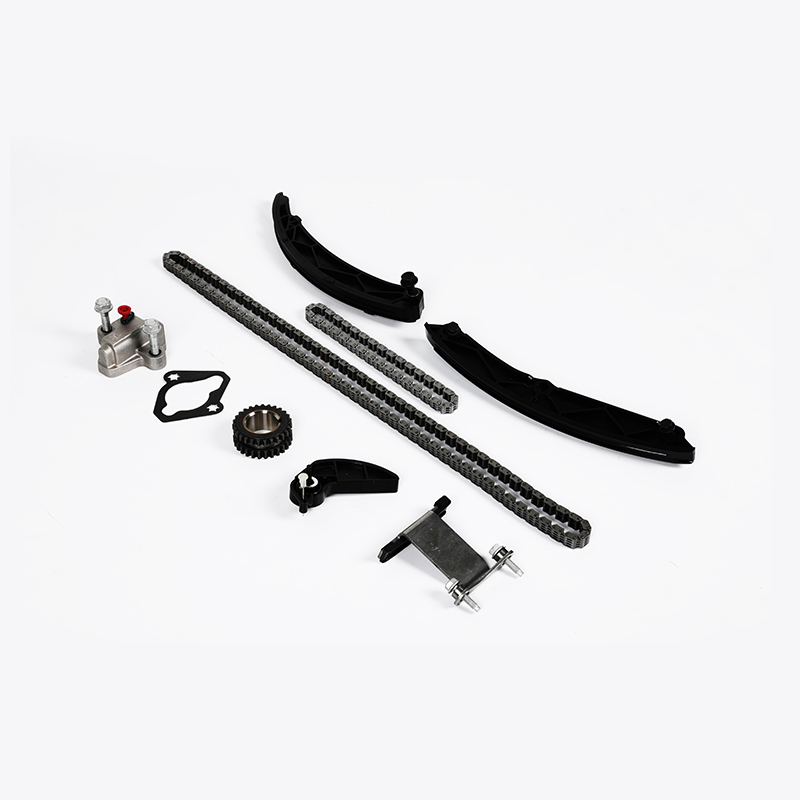
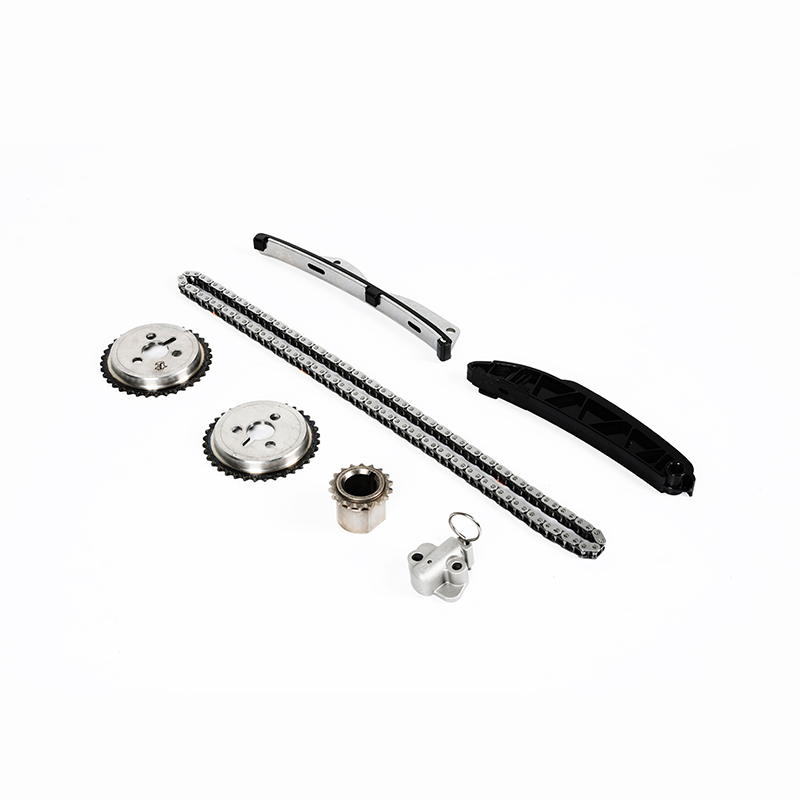
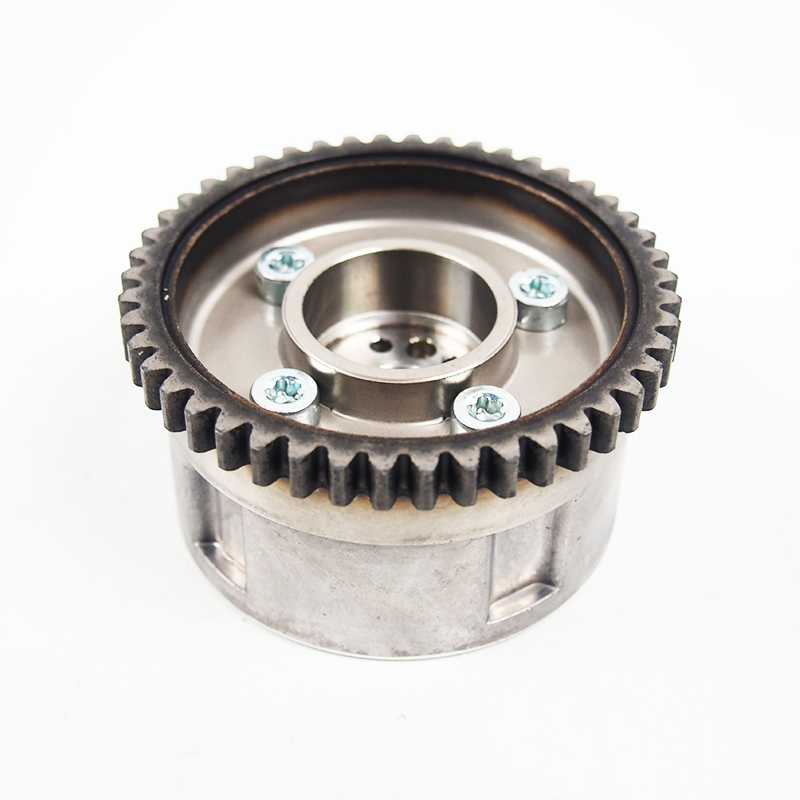
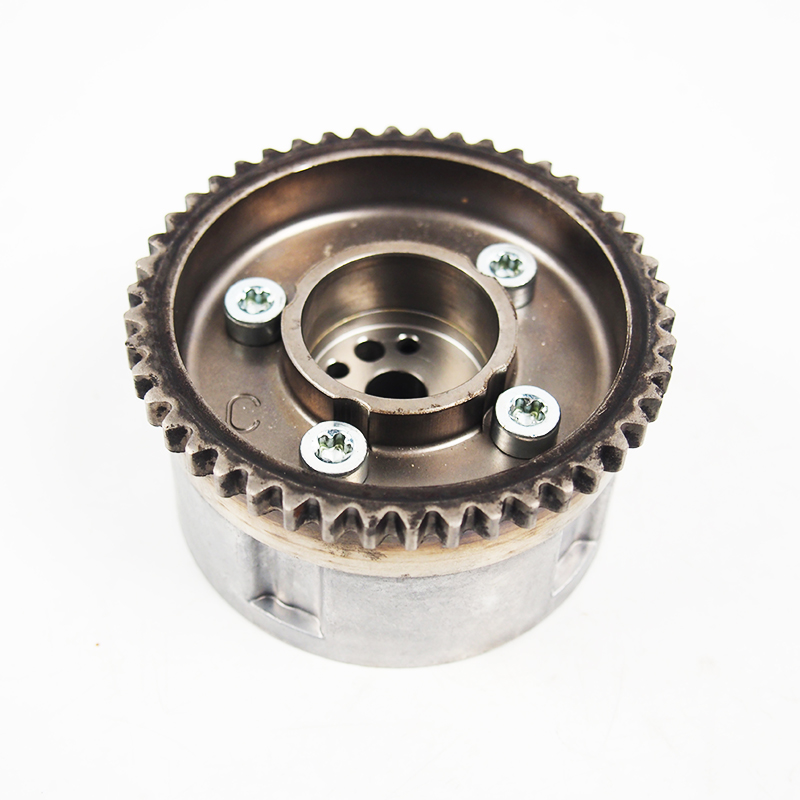
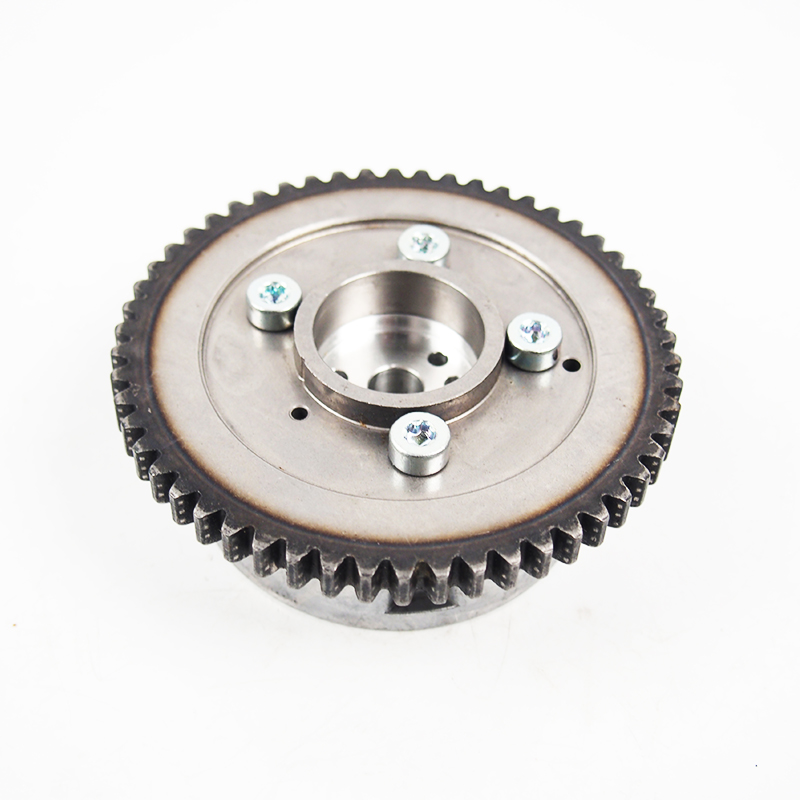
View More >>The HYUNDAI Camshaft Phase Regulator (VVT) is a critical component within the engine valve timing control system, designed to adjust camshaft timing dynamically according to engine operating conditions. By regulating the phase angle between the camshaft and crankshaft, this VVT component supports stable combustion, optimized torque output, and controlled fuel efficiency across different engine speeds. It is engineered for compatibility with HYUNDAI gasoline engines equipped with variable valve timing systems and is suitable for both OE replacement and aftermarket engine service applications.
This camshaft phase regulator for HYUNDAI engines operates through oil pressure control and precise internal locking mechanisms. It works in coordination with the timing chain system, ECU signals, and engine oil flow to adjust valve timing in real time. Accurate phase control helps reduce engine vibration during idle, improves throttle response at mid-range RPM, and supports emission compliance under normal operating conditions.
| Parameter | Description |
| Product Type | Camshaft Phase Regulator (VVT) |
| Application | HYUNDAI gasoline engines with VVT system |
| Control Method | Hydraulic oil pressure with ECU signal |
| Material | Alloy steel with high-carbon and chromium composition |
| Manufacturing Standard | GB/T14212-2003, JB/T10348-200 |
| Installation Position | Camshaft timing end (intake or exhaust, engine-specific) |
The HYUNDAI VVT camshaft phase regulator is used in engines where precise valve timing adjustment is required to balance power output and fuel consumption. It is commonly applied in passenger vehicles, compact SUVs, and light commercial vehicles equipped with HYUNDAI variable valve timing technology. Proper compatibility should be confirmed based on engine code, camshaft position, and original part reference.
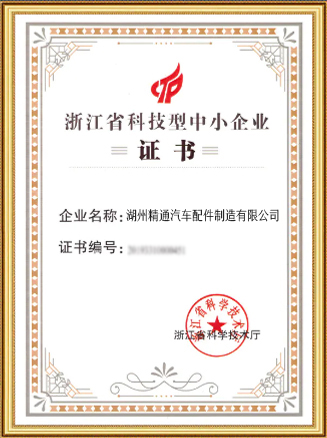
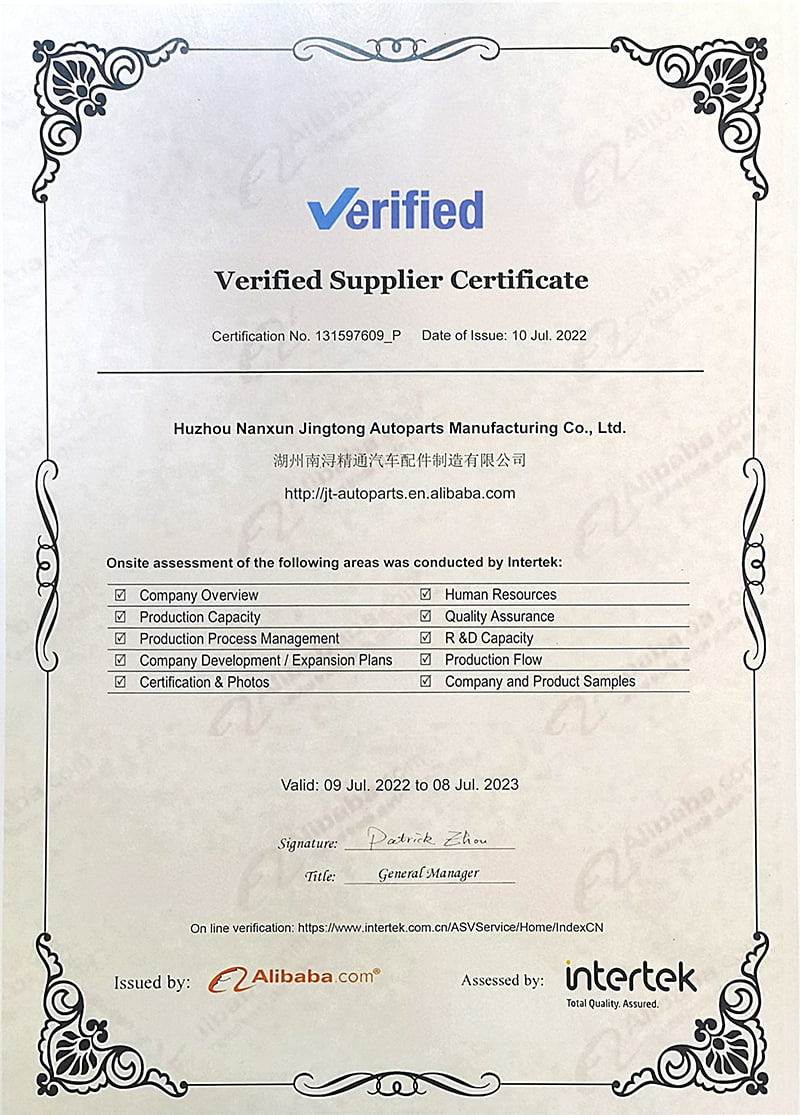
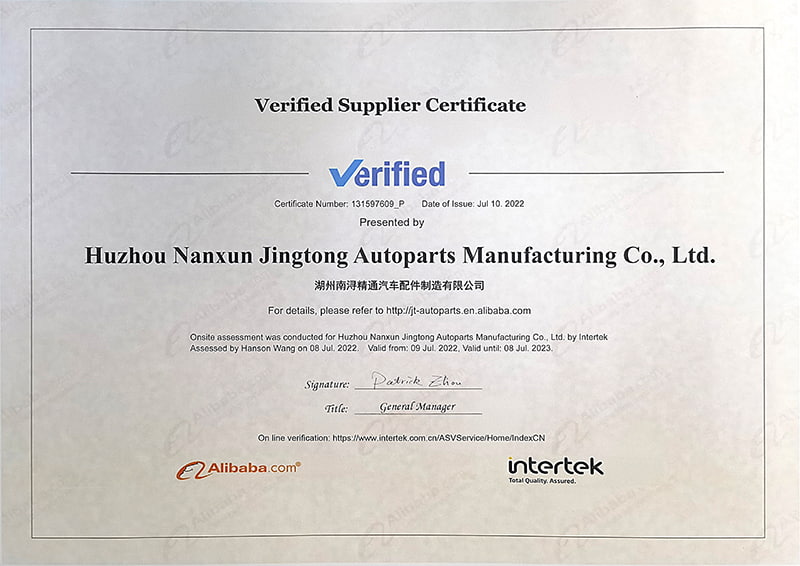
This product is manufactured by Huzhou Nanxun Jingtong Auto Parts Manufacturing Co., Ltd., a specialized producer of automotive engine timing chain system components. Founded in 2013 and located in the Yangtze River Delta Economic Zone, the company operates multiple production and warehouse facilities covering a total area of 12,000 square meters. Advanced manufacturing processes and strict quality management systems are applied to ensure dimensional accuracy and stable performance across production batches.
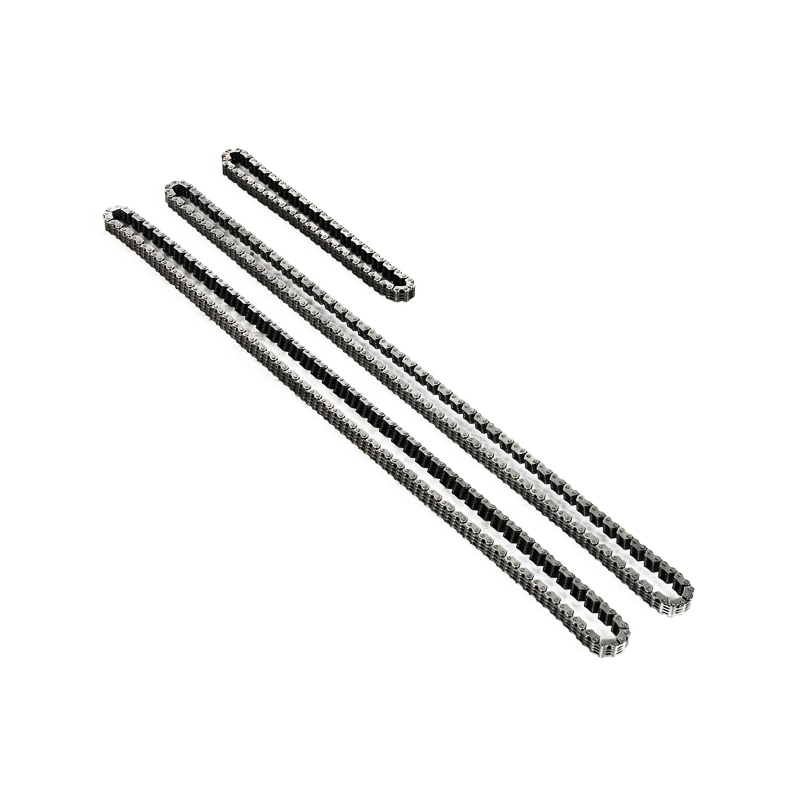
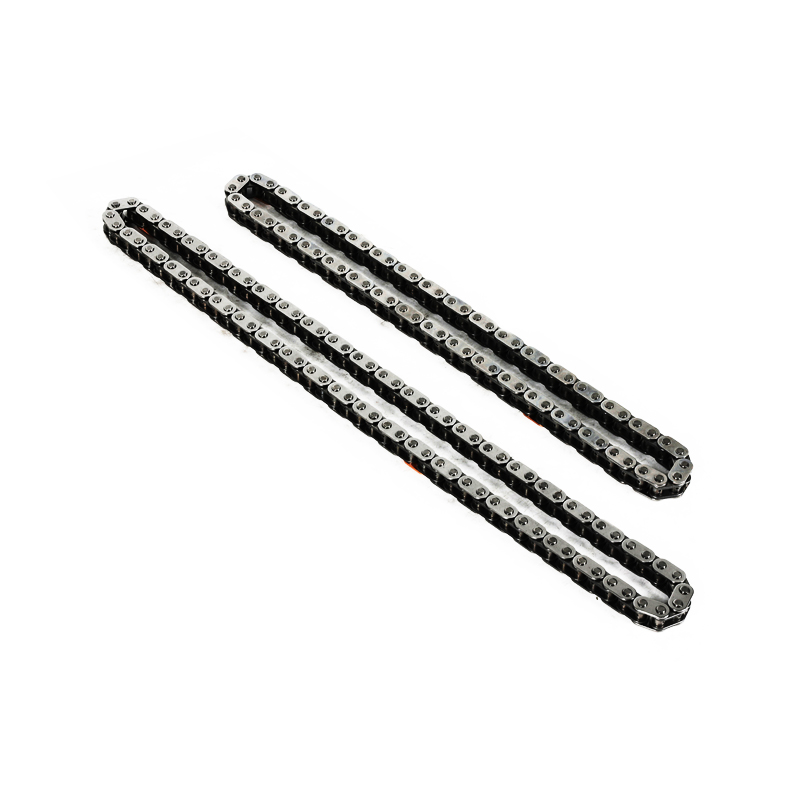
The camshaft phase regulator is produced in coordination with the company’s core products, including timing chains, guides, and tensioners, allowing system-level consistency and compatibility within the engine timing assembly.
Typical symptoms include unstable idle speed, delayed acceleration response, engine noise during cold start, and fault codes related to camshaft timing. In many cases, these issues are linked to internal wear or oil flow restriction within the VVT regulator. Replacement with a compatible camshaft phase regulator is often required to restore correct timing function.
Yes. The HYUNDAI Camshaft Phase Regulator (VVT) is designed to operate as part of a complete timing chain system, working together with the chain, sprocket, guide, and tensioner. Huzhou Nanxun Jingtong Auto Parts Manufacturing Co., Ltd. specializes in these timing system components, ensuring coordinated design and manufacturing standards.
VVT performance depends heavily on machining precision, material stability, and oil channel accuracy. Using alloy steel materials with controlled carbon and chromium content, and manufacturing in accordance with GB/T and JB/T standards, helps maintain consistent phase adjustment and reduces the risk of timing deviation over long-term engine operation.