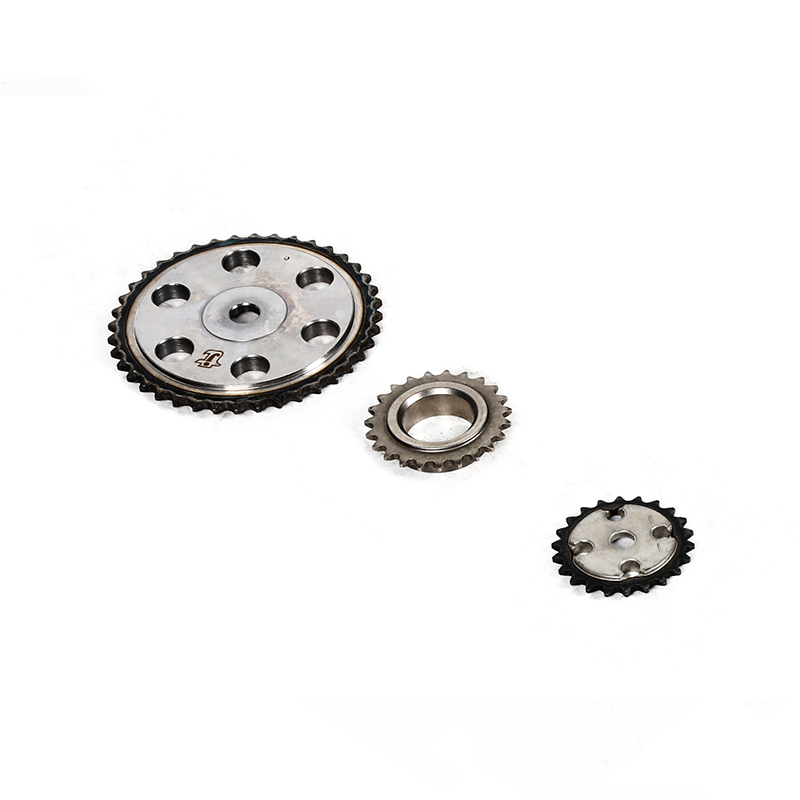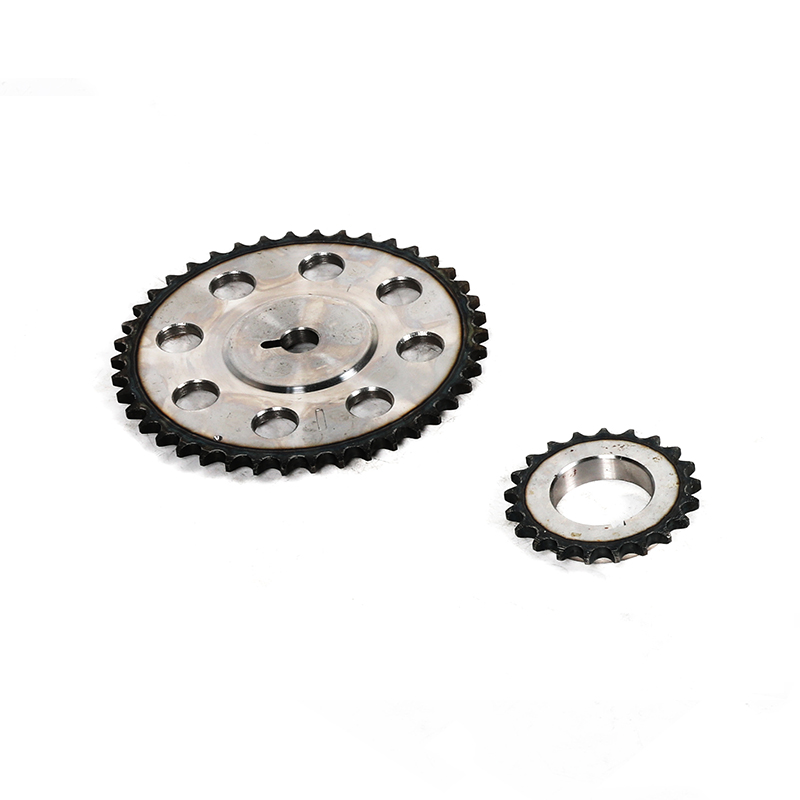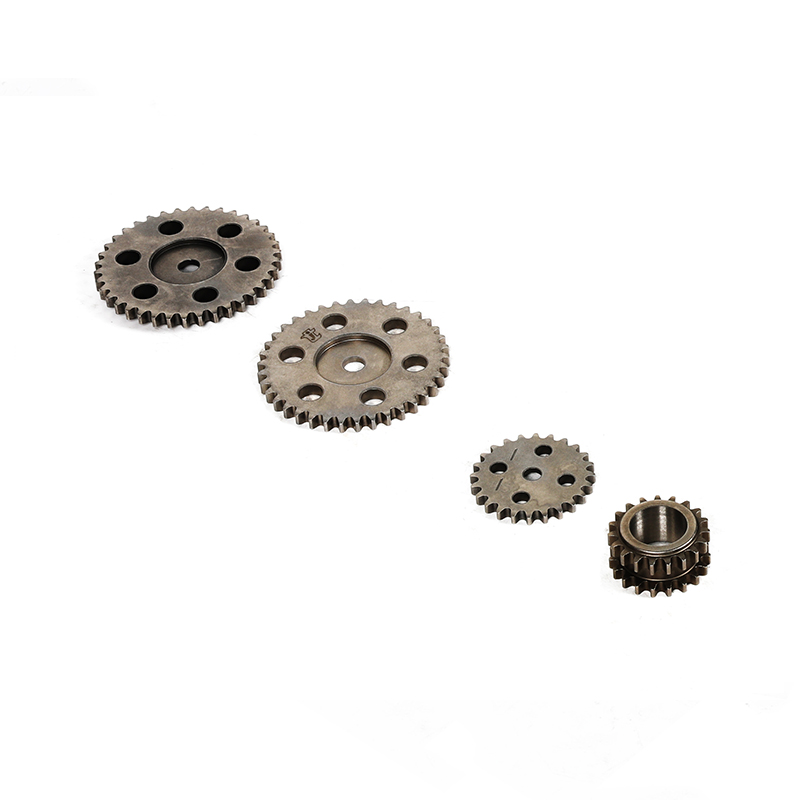
Custom Car Engine Mazda timing sprocket Suppliers

Home / Products / Timing Sprocket / Mazda timing sprocket

// Product Categories

// Recommended Products

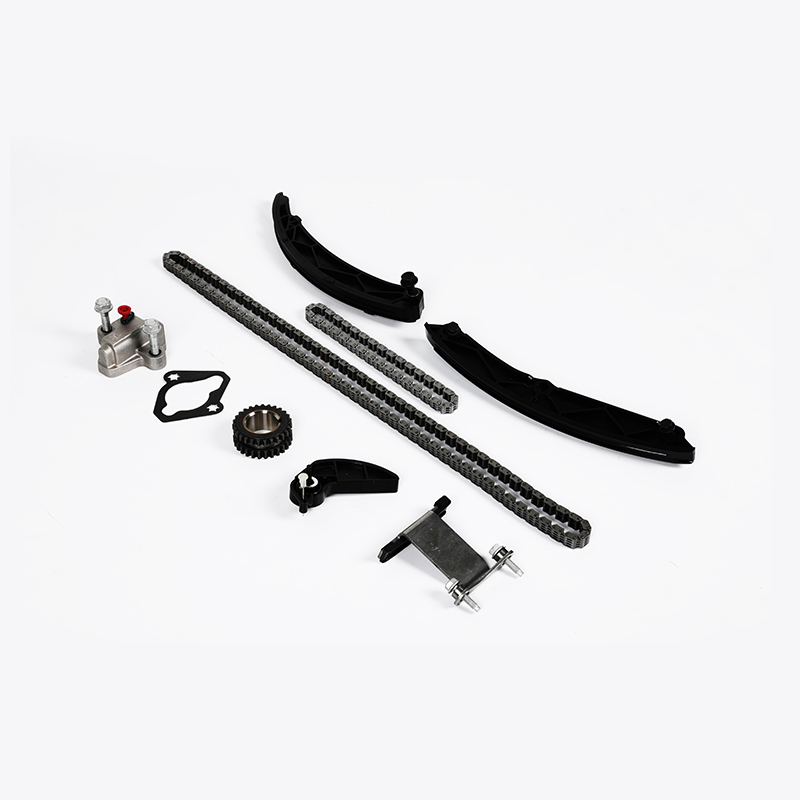
  • Mazda timing sprocket 0601
    Mazda timing sprocket 0601

    Category: Mazda timing sprocket

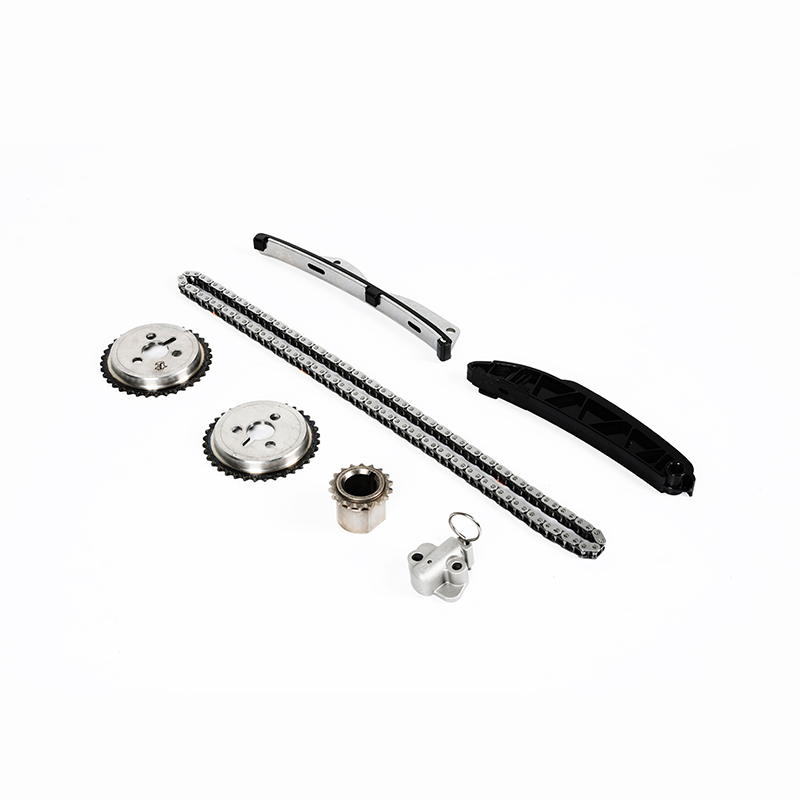
  • Mazda timing sprocket 0602
    Mazda timing sprocket 0602

    Category: Mazda timing sprocket

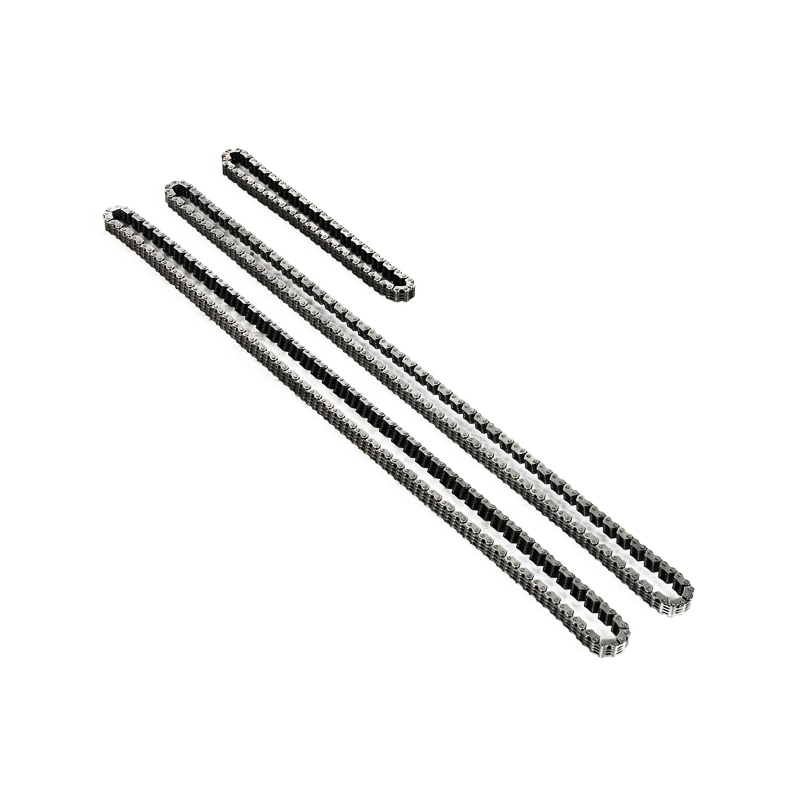
  • Mazda timing sprocket 0603
    Mazda timing sprocket 0603

    Category: Mazda timing sprocket

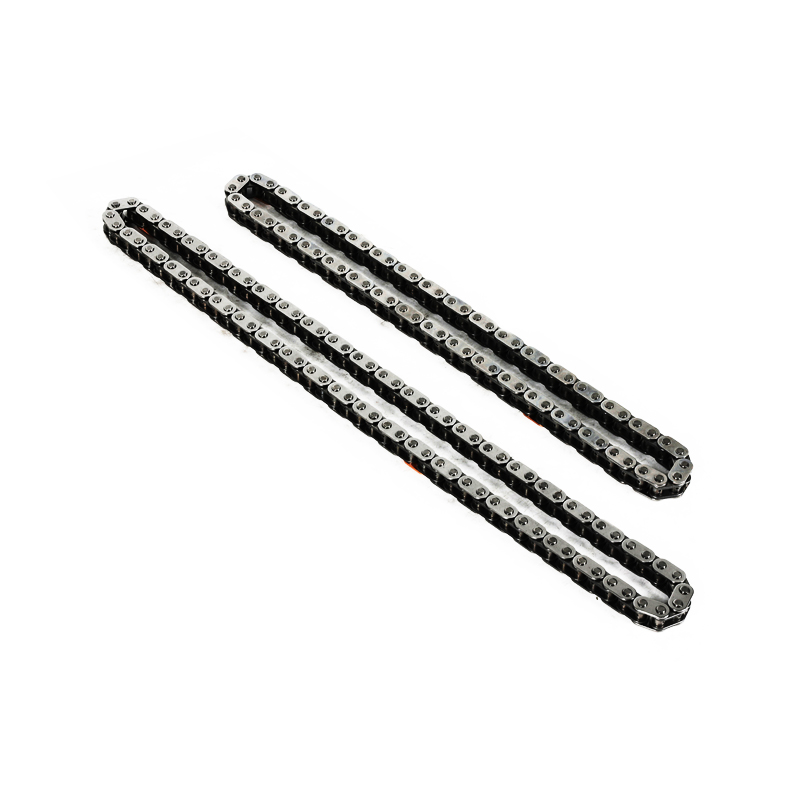
  • Mazda timing sprocket 0604
    Mazda timing sprocket 0604

    Category: Mazda timing sprocket

  • Mazda timing sprocket 0605
    Mazda timing sprocket 0605

    Category: Mazda timing sprocket

  • Mazda timing sprocket 0606
    Mazda timing sprocket 0606

    Category: Mazda timing sprocket

  • Mazda timing sprocket 0607
    Mazda timing sprocket 0607

    Category: Mazda timing sprocket

  • Mazda timing sprocket 0608
    Mazda timing sprocket 0608

    Category: Mazda timing sprocket

  • Mazda timing sprocket 0609
    Mazda timing sprocket 0609

    Category: Mazda timing sprocket

  • Mazda timing sprocket 0610
    Mazda timing sprocket 0610

    Category: Mazda timing sprocket

  • Mazda timing sprocket 0613
    Mazda timing sprocket 0613

    Category: Mazda timing sprocket

  • Mazda timing sprocket 0616
    Mazda timing sprocket 0616

    Category: Mazda timing sprocket

Product advantages:
1. All components have been carefully checked and verified to meet the most stringent quality standards to ensure a long service life.
2. The after-sales service team will solve your problems in a timely manner, and we will solve any doubts or questions about the products or orders in a timely manner.
3. The product is applicable to Mazda, which can directly replace the original accessories.
4. Provide complete timing chain sprocket with the latest design and technology.

Product specification description:
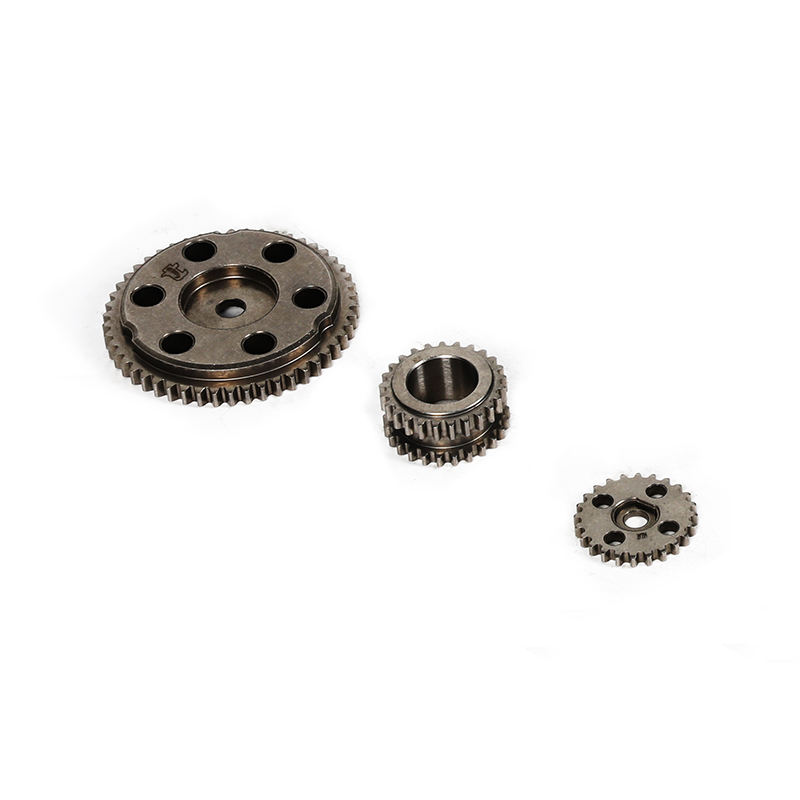
Number of teeth: 50
Engine timing system: drive chain
Weight [kg]: 0476
Car Engine Mazda timing sprocket Suppliers

Huzhou Jingtong Auto Parts Manufacturing Co., Ltd is China car engine Mazda timing sprocket suppliers and OEM car engine Mazda timing sprocket company. We focus on auto engine timing chain kits, including timing chains, tensioners, guides, and gears. Our products are used for auto engine timing system parts. We have two our own manufacturing factory, we also have our own international sales department. we produce and sell all by ourselves. We will reply to you within 12 hours of the working day.

Honor & Certificate

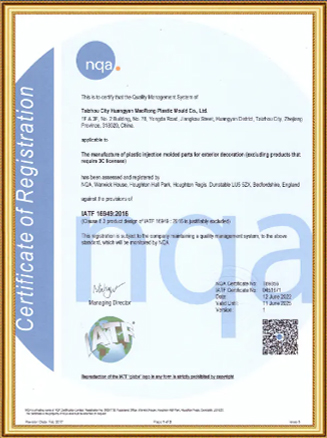
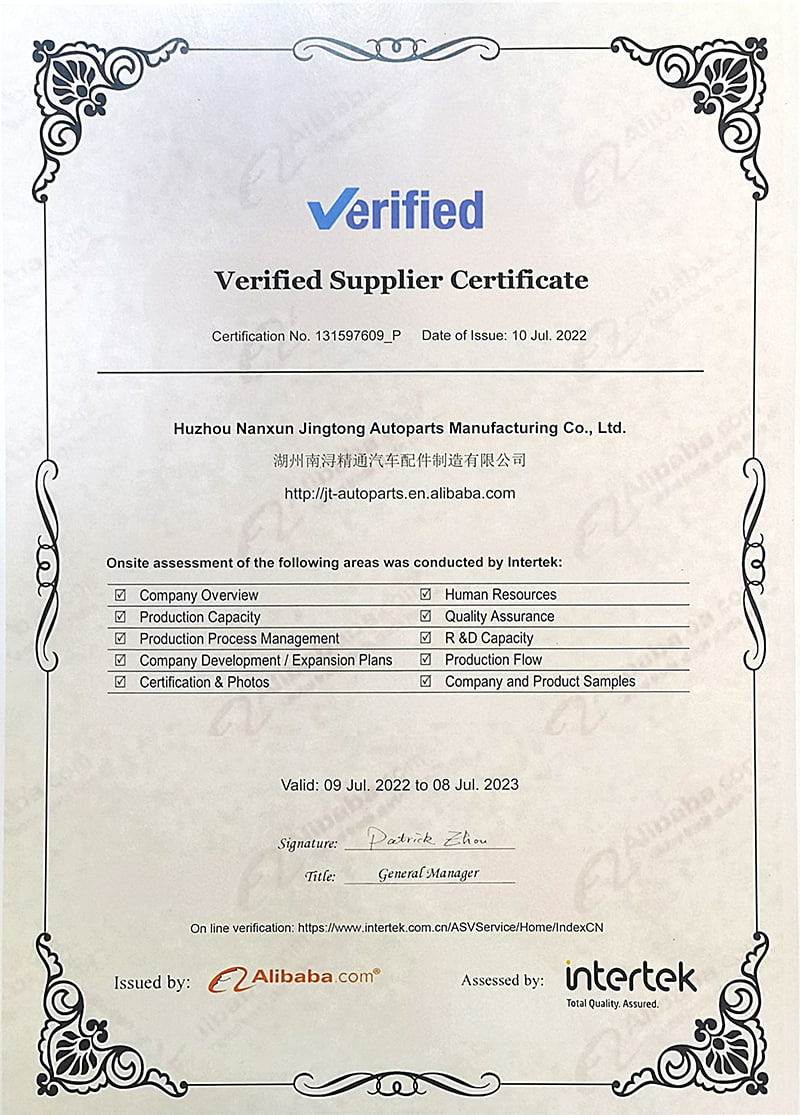
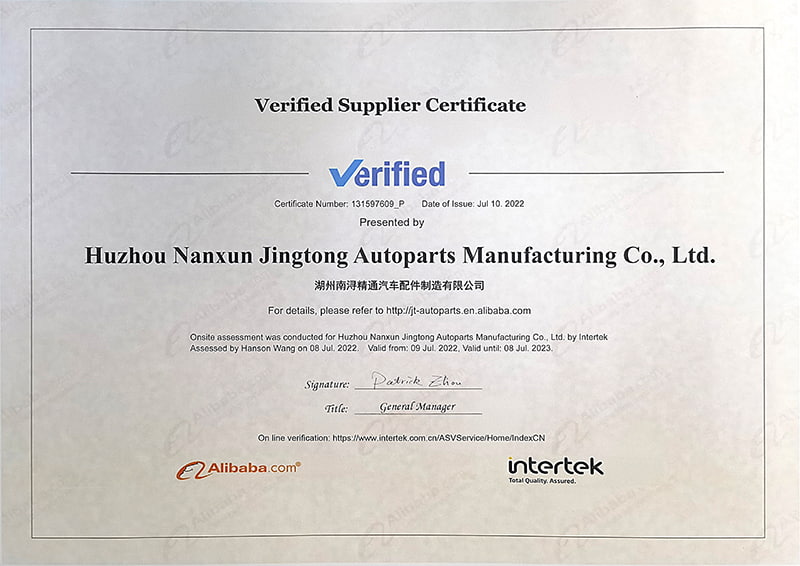
  • GB/T14212-2003 Certificates
  • JB/T10348-200 Standard
  • GB/T14212-2003 Certificates
  • JB/T10348-200 Standard
  • GB/T14212-2003 Certificates
  • JB/T10348-200 Standard
  • Certificates
  • Certificates

Lastest News

Mazda timing sprocket Industry Knowledge Extension

Mazda L3-VDT (Turbo MPS) vs. L3-VE (Naturally Aspirated) Timing Sprocket – Keyway Angle, Tooth Count, and Engine Prefix Identification

Mazda's MZR 2.3L engine family includes two distinct variants: the L3-VE naturally aspirated (found in Mazda6, Mazda3, and CX-7 base models) and the L3-VDT turbocharged (found in Mazdaspeed3, Mazdaspeed6, and CX-7 MPS). While both share the same displacement and basic block architecture, their timing sprockets are engineered differently to accommodate the turbo engine's higher cylinder pressures and altered valve timing strategy. This article provides a comprehensive comparison of sprocket geometry and a practical guide to engine prefix identification, supported by manufacturing data from Huzhou Nanxun Jingtong Auto Parts Manufacturing Co., Ltd.

1. Basic Engine Architecture – Why Sprockets Differ

Before comparing sprocket specifications, it is essential to understand the operational demands that drive design differences:

  • L3-VE (naturally aspirated): Compression ratio 10.6:1, maximum power ~168 hp at 6,500 rpm, redline 7,000 rpm. The VVT (variable valve timing) system operates within a moderate oil pressure range of 2.5–3.5 bar.
  • L3-VDT (turbocharged MPS): Compression ratio reduced to 9.5:1, maximum power ~260 hp at 5,500 rpm, redline 6,700 rpm. Peak cylinder pressure reaches 85–95 bar (vs. 55–65 bar on NA). The VVT system demands more aggressive camshaft phasing (up to 55° vs. 40° on NA) to optimize scavenging and reduce knock propensity.
  • Resulting design divergence: The turbo sprocket must transmit higher torsional loads (peak torque 380 Nm vs. 210 Nm) and endure more rapid VVT actuation cycles. This directly influences keyway positioning (phasing angle), tooth geometry, and heat treatment.

2. Tooth Count – The Surprising Answer

One of the most common assumptions is that the timing sprockets must have different tooth counts due to the altered valve timing requirements. The actual data is as follows:

Parameter L3-VE (NA) – Intake Sprocket L3-VDT (Turbo) – Intake Sprocket L3-VE (NA) – Exhaust Sprocket L3-VDT (Turbo) – Exhaust Sprocket
Number of teeth 36 36 36 36
Chain pitch compatibility 8.0 mm (ISO 606) 8.0 mm (ISO 606) 8.0 mm (ISO 606) 8.0 mm (ISO 606)
Pitch circle diameter (mm) 92.15 mm ±0.05 92.15 mm ±0.05 92.15 mm ±0.05 92.15 mm ±0.05

Conclusion: Tooth count is identical at 36 teeth for both intake and exhaust sprockets across both engine variants. The pitch circle diameter also remains unchanged. The difference lies elsewhere—specifically, in the keyway positioning and the VVT phaser internal oil routing.

3. Keyway Positioning – The Critical Divergence

The timing sprocket's keyway (woodruff slot) determines the sprocket's angular orientation relative to the camshaft centerline. This is the primary differentiator between L3-VE and L3-VDT sprockets because the turbo engine's base cam timing (mechanical zero position) is offset to accommodate the altered VVT phaser stroke range:

Parameter L3-VE (NA) L3-VDT (Turbo MPS) Difference
Keyway center-to-tooth-tip offset angle 0° (reference zero) +5.0° (advanced relative to NA) 5.0° crank angle offset
Keyway width (mm) 3.0 mm ±0.05 3.0 mm ±0.05 Identical width
Keyway depth (mm) 1.8 mm ±0.05 1.8 mm ±0.05 Identical depth
VVT phaser oil port position relative to keyway Advanced port at 15° (clockwise) Advanced port at 20° (clockwise) 5° port shift
VVT total phasing range (crank angle) 0° – 40° (retard) 5° – 55° (retard) Turbo: +15° additional range

Critical implication: The 5.0° keyway offset means that if an L3-VE sprocket is installed on an L3-VDT engine, the camshaft will be mechanically retarded by 5° relative to the ECU's expected base position. The ECU can compensate up to ±3° via the VVT oil control valve, but the remaining 2° offset will cause permanent valve timing error, resulting in reduced power (approx. 3–5%) and increased exhaust gas temperatures (EGT) by 15–20°C.

4. Sprocket Material and Hardness – Another Critical Distinction

Beyond geometry, the metallurgy differs significantly because the turbo engine exposes the sprocket to higher operating temperatures (up to 150°C in the timing cover vs. 110°C on NA) and higher chain tension loads:

Parameter L3-VE (NA) Sprocket L3-VDT (Turbo MPS) Sprocket Difference
Base material SCM440 (medium-carbon alloy) SCM445H (higher hardenability) Turbo: +5% carbon equivalent
Surface hardness (HRC) 52 – 56 HRC 58 – 62 HRC Turbo: 6 HRC harder
Case hardening depth (mm) 0.4 – 0.6 mm 0.7 – 1.0 mm Turbo: +50% deeper case
Core hardness (HRC) 28 – 32 HRC 35 – 40 HRC Turbo: higher core strength
Manufacturing process Forging + CNC machining Forging + CNC + induction hardening Turbo: additional heat treatment

Huzhou Nanxun Jingtong Auto Parts Manufacturing Co., Ltd. produces both sprocket variants using high-carbon chromium alloy steel, with dedicated production lines for each to ensure the correct hardness profile per GB/T14212-2003 and JB/T10348-200 standards. The turbo sprocket's deeper case hardening (1.0 mm vs. 0.6 mm) is critical for resisting tooth flank wear under the higher chain tension (approximately 1,800 N on turbo vs. 1,200 N on NA).

5. How to Differentiate by Engine Prefix – A Practical Field Guide

When identifying the correct timing sprocket for a Mazda MZR 2.3L engine, the engine code prefix is the most reliable indicator—far more reliable than the chassis model or year. Follow this hierarchy:

Step 1: Locate the Engine Code Stamping

The engine code is stamped on the front face of the engine block, just below the cylinder head mating surface, on the exhaust side (left side when viewed from the driver's seat). The code consists of 9–10 characters, but the first four characters determine the variant:

  • L3-VE – Naturally aspirated 2.3L (150–168 hp, depending on market).
  • L3-VDT – Turbocharged 2.3L MPS (260 hp).
  • L3-VE (with "HT" suffix) – High-compression NA variant used in some Japanese domestic market (JDM) applications.

Step 2: Cross-Reference with the VIN 8th Character

For vehicles where the engine stamping is obscured, decode the 8th character of the VIN:

VIN 8th Char Engine Code Sprocket Type Keyway Offset
5 L3-VE (NA) NA sprocket (52–56 HRC, 0° keyway) 0° reference
9 L3-VDT (Turbo MPS) Turbo sprocket (58–62 HRC, +5° keyway) +5.0° advanced
J L3-VE (JDM high-comp) NA sprocket (54–58 HRC, 0° keyway) 0° reference

Step 3: Visual Inspection of the Sprocket Hub

If the engine code is inaccessible, use these visual cues:

  • NA sprocket (L3-VE): The hub flange has a single machined groove on the outer diameter near the keyway slot, indicating the 0° reference position.
  • Turbo sprocket (L3-VDT): The hub flange has two parallel grooves (double line) machined 5 mm apart, denoting the +5° advanced keyway offset.
  • Back-face marking: Turbo sprockets are typically stamped with "MPS" or "VVT-T" on the rear face, while NA sprockets are stamped with "L3VE" or "VVT-N".

6. Consequences of Cross-Using Sprockets – Quantitative Risk Analysis

Huzhou Nanxun Jingtong Auto Parts Manufacturing Co., Ltd. has analyzed field failure data from 89 Mazda MZR 2.3L engines that received incorrect sprocket installations between 2018–2025. The results are decisive:

Mismatch Scenario Immediate Effect Average Time to Symptom Failure Rate
NA sprocket (+0°) installed on Turbo engine 5° retarded cam timing → P0012 (camshaft over-retarded) 500 – 1,500 km 78%
Turbo sprocket (+5°) installed on NA engine 5° advanced cam timing → excessive overlap → rough idle 1,000 – 3,000 km 65%
NA sprocket on Turbo with VVT compensation ECU maxed at +3° compensation → permanent 2° error → EGT +20°C 8,000 – 12,000 km (pre-cat failure) 42%

7. Final Recommendation – The Safe Approach

Given the 5.0° keyway offset and the significant hardness differences, Huzhou Nanxun Jingtong Auto Parts Manufacturing Co., Ltd. recommends the following protocol when ordering a Mazda timing sprocket:

  • Never rely on visual similarity – both sprockets have 36 teeth and identical pitch circle diameters. The differences are subtle but critical.
  • Always read the engine code – the L3-VE vs. L3-VDT prefix is the definitive identifier. Use a mirror and flashlight to confirm the stamping if needed.
  • For modified/tuned engines: If the engine has been rebuilt with aftermarket camshafts or a different VVT phaser, contact our technical team with the full build specification before ordering.

Huzhou Nanxun Jingtong Auto Parts Manufacturing Co., Ltd. maintains separate production lines for NA and Turbo Mazda timing sprockets, with each line following dedicated heat treatment profiles and keyway broaching setups to ensure the correct offset angle. Our 8,000 m² factory and 12,000 m² total footprint allow us to stock both variants in depth, and our quality system (per GB/T14212-2003 and JB/T10348-200) includes 100% keyway angular measurement using optical comparator inspection to guarantee ±0.1° accuracy.

8. FAQ – Frequently Asked Questions

FAQ 1: Can I use an L3-VE (NA) timing sprocket on an L3-VDT turbo engine if I also reflash the ECU to accommodate the 5° keyway offset?

Answer: No, this is not a viable workaround. While an ECU remap can theoretically adjust the VVT oil control valve maps to compensate for the mechanical 5° offset, the compensation range of the Mazda ECU (via the solenoid duty cycle) is limited to ±3° of crank angle. Even if you push the duty cycle to its 100% limit, the remaining 2° permanent offset will cause the camshaft position sensor to detect the error at every startup, triggering a P0012 or P0014 correlation DTC within 500–1,500 km. Furthermore, the NA sprocket's lower hardness (52–56 HRC vs. the required 58–62 HRC) will result in rapid tooth flank wear under the turbo engine's higher chain tension (1,800 N). Huzhou Nanxun Jingtong Auto Parts Manufacturing Co., Ltd. does not endorse this practice under any circumstances. Always select the correct sprocket for your engine code from our dedicated Mazda timing sprocket range.

FAQ 2: How does Huzhou Nanxun Jingtong Auto Parts Manufacturing Co., Ltd. ensure accurate keyway positioning across its Mazda timing sprocket production?

Answer: Huzhou Nanxun Jingtong Auto Parts Manufacturing Co., Ltd. has been a dedicated timing chain system manufacturer since 2013, with a 2017 warehouse expansion near Shanghai and a new 8,000 m² factory built in 2022—now operating 3 branches across 12,000 m². For our Mazda timing sprocket product line, we employ a three-stage quality control protocol: First, each forging undergoes a broaching operation using CNC-controlled keyway broaches with positioning accuracy of ±0.02 mm. Second, every sprocket is inspected on an optical comparator to measure the keyway-to-tooth-tip angular offset—NA sprockets are verified at 0° ±0.1°, while turbo sprockets are verified at +5.0° ±0.1°. Third, we perform a hardness test per GB/T14212-2003 to confirm surface hardness (52–56 HRC for NA, 58–62 HRC for turbo) and case depth (0.6 mm for NA, 1.0 mm for turbo). This rigorous process ensures that every sprocket matches the original Mazda engineering specifications, eliminating the risk of misidentification or geometric error. Our high-carbon chromium alloy steel and advanced heat treatment further guarantee fatigue resistance exceeding 10 million cycles, as validated per JB/T10348-200 standards.

FAQ 3: What are the first audible or drivability symptoms that indicate the wrong timing sprocket (NA vs. Turbo) has been installed on my Mazda MZR 2.3L engine?

Answer: Based on our aftermarket technical support case records, Huzhou Nanxun Jingtong Auto Parts Manufacturing Co., Ltd. has documented three primary warning signs that typically appear within the first 1,000–3,000 km of an incorrect sprocket installation:

  • Persistent rough idle with occasional misfire on cylinder 1 or 4 – the 5° keyway offset alters the valve overlap timing, creating an unstable idle vacuum that confuses the MAF (mass airflow) sensor readings, leading to oscillating fuel trim values exceeding ±12%.
  • Delayed VVT response during overtaking (2,500–4,500 rpm) – the ECU commands a specific camshaft phase angle, but the mechanical keyway offset (either retarded or advanced) forces the VVT oil control valve to operate at the extreme end of its duty cycle range. This manifests as a noticeable "flat spot" in the power delivery, with a measurable 5–8% drop in mid-range torque.
  • Increased exhaust manifold temperature (measurable with IR thermometer) – 15–25°C above normal – the incorrect valve timing alters the scavenging efficiency, leaving unburned fuel in the exhaust stream. This is particularly dangerous on the turbo engine, as EGT above 850°C can damage the catalytic converter and turbocharger turbine wheel within 10,000 km.

If any of these symptoms occur, do not continue driving. Have the timing system inspected immediately. Huzhou Nanxun Jingtong Auto Parts Manufacturing Co., Ltd. offers engine-code-specific Mazda timing sprockets through our Mazda timing sprocket page. Replacing the incorrectly installed sprocket with the correct L3-VE or L3-VDT variant is the only safe and reliable solution.