

 English
  русский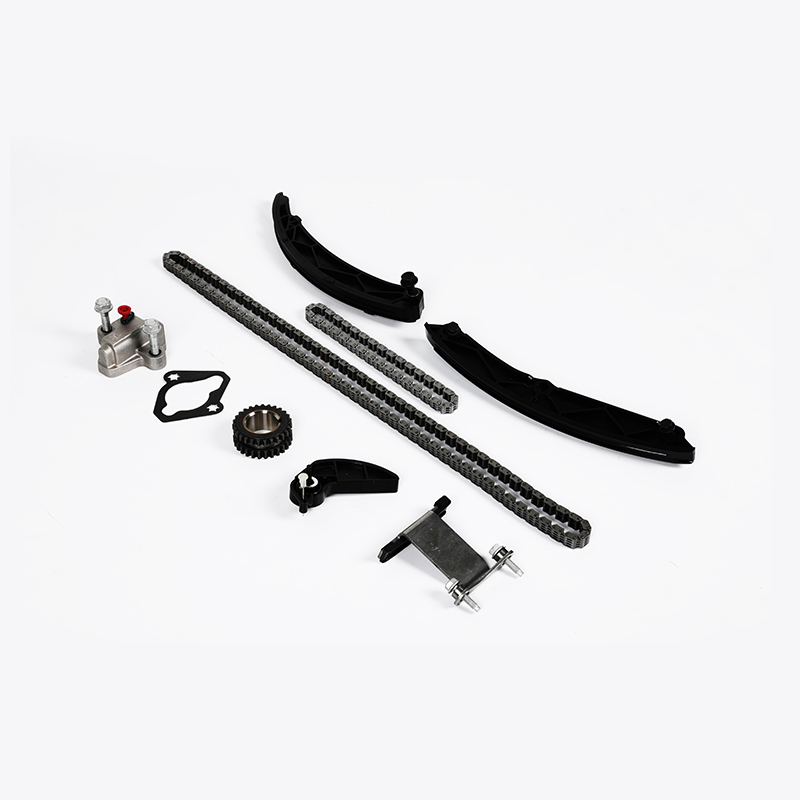
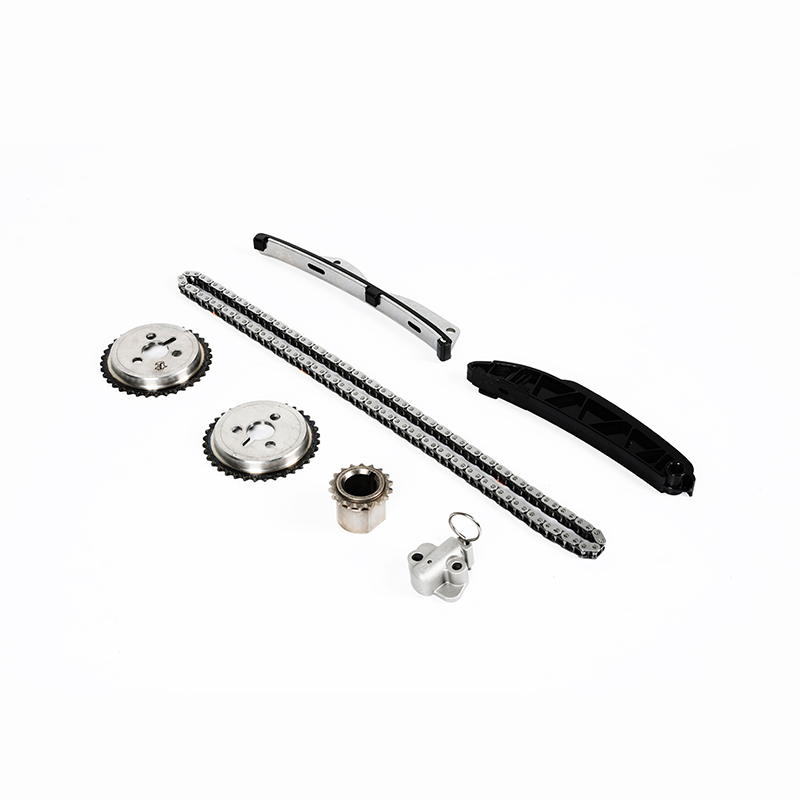
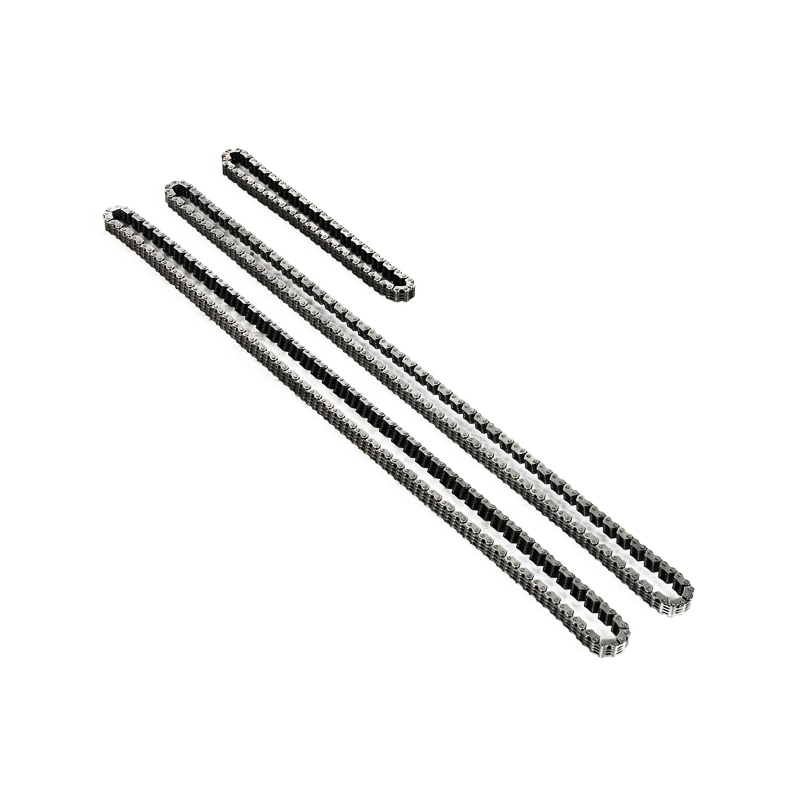
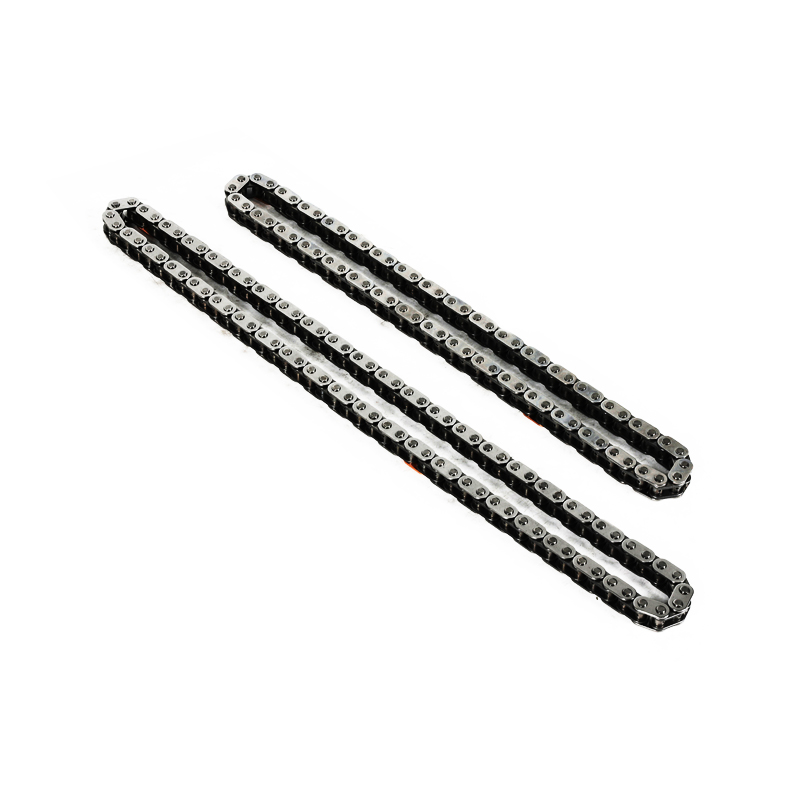
Product advantages:
1. All components have been carefully checked and verified to meet the most stringent quality standards to ensure a long service life.
2. The after-sales service team will solve your problems in a timely manner, and we will solve any doubts or questions about the products or orders in a timely manner.
3. The product is applicable to Ford, which can directly replace the original parts.
4. Provide complete timing chain sprocket with the latest design and technology.
Product specification description:
Engine timing system: drive chain
Number of teeth: 38
Weight [kg]: 0341
.jpg "Ford timing sprocket 0214")
.jpg "Ford timing sprocket 0215")
.jpg "Ford timing sprocket 0216")
.jpg "Ford timing sprocket 0217")
、.jpg "Ford timing sprocket 0218")
.jpg "Ford timing sprocket 0219")
.jpg "Ford timing sprocket 0220")
.jpg "Ford timing sprocket 0221")
.jpg "Ford timing sprocket 0222")
.jpg "Ford timing sprocket 0223")
.jpg "Ford timing sprocket 0224")
.jpg "Ford timing sprocket 0225")

 May 16, 2024
 By admin


